SAEDNEWS: Loss of suction power in a vacuum cleaner is one of the most common and frustrating problems most users encounter. This issue often develops gradually over time and can make the cleaning process slower, less effective, and significantly more time-consuming.
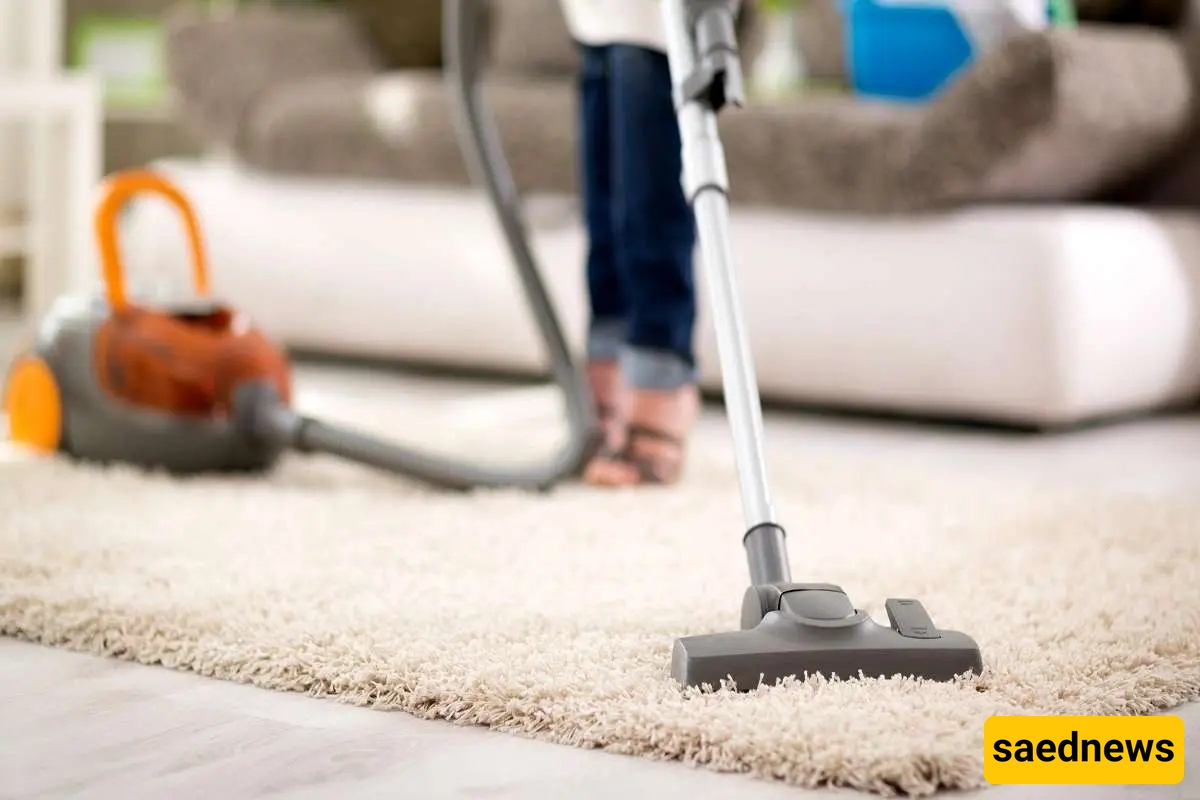
According to Saednews family magazine report, a reduction in vacuum cleaner suction simply means a disruption in the airflow path. A vacuum cleaner works by creating a partial vacuum that draws air in, bringing dust and debris with it. Any blockage in this airflow or air leakage from an improper point directly reduces suction power.
These issues can range from a full dust bag and dirty filters to clogged hoses or more technical problems like motor faults. Understanding this basic mechanism is the first and most important step in proper troubleshooting.
To find and fix the problem, there is no need to fully disassemble the device. Instead, follow the steps below carefully. In most cases, the issue is identified and resolved in the first few steps.
The most common reason for reduced suction is a full bag or dust container.
Bagged vacuum cleaners: When the bag is more than two-thirds full, its pores become blocked, restricting airflow. This also puts pressure on the motor and significantly reduces suction. Always replace the bag before it becomes completely full.
Bagless (canister) models: The dust container should be emptied regularly. When it reaches the maximum level, it has the same effect as a full bag. Empty it when it is half full for best performance and wash it if necessary (based on the manual).
Filters play a crucial role in protecting the motor and cleaning outgoing air. Dirty filters are the second most common cause of suction loss.
Most vacuum cleaners have two main types of filters:
Motor inlet filter: Usually made of foam or felt, it prevents dust from entering the motor. It should be washed every 1–3 months with lukewarm water and completely dried before reuse.
Exhaust (HEPA) filter: Captures fine particles and allergens. Some are washable, while others must be replaced periodically according to the user manual.
The airflow path includes several sections where blockages can occur:
Flexible hose: Check for large objects such as paper, socks, or small toys.
Telescopic metal tube: Inspect visually for obstructions.
Floor brush and joints: Hair, threads, and fibers commonly accumulate here and can block airflow.
A long, thin stick can be used to gently push out minor blockages.

Many vacuum cleaners, especially upright models, have a rotating brush that helps lift dust and debris from carpets.
Hair and threads can wrap around this brush and prevent it from spinning properly, reducing suction at the intake point.
Steps:
Turn off and unplug the device
Access the brush
Cut and remove tangled debris
Ensure the brush rotates freely
Any crack, gap, or loose connection in the vacuum body or hoses can cause air leakage. This reduces the vacuum effect and weakens suction power.
Inspect:
Hose connections
Dust bag or container seal
Body cracks or loose parts
Make sure all components are tightly fitted.
Empty the dust container or replace the bag regularly
Clean filters on a fixed schedule
Check hoses and brush areas frequently for blockages
Avoid vacuuming large, sharp objects or liquids unless the device is designed for it
Perform periodic maintenance to ensure optimal performance
In most cases, reduced vacuum cleaner suction is not a serious or costly issue. It is usually caused by simple maintenance neglect such as a full dust bag, clogged filters, or blocked airflow paths. By following regular inspection and cleaning steps, the device’s performance can be easily restored to optimal levels.