SAEDNEWS: Selaneh is an instrument from the tanbur family with a long neck. Based on surviving historical depictions from ancient Iran, it originally had three strings and three tuning pegs. By adding additional main strings, deeper bass tones can be produced. In this section, we will introduce you to the modern version of the Selaneh instrument.
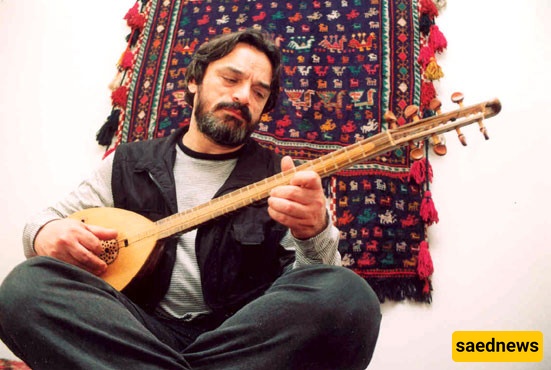
According to Saednews, Salane is a long-necked string instrument belonging to the tanbur family. Based on surviving historical depictions from ancient Iran, it is believed to have originally had three strings and three tuning pegs. By adding additional strings, lower-pitched sounds can be produced, expanding its tonal range.
The revival and reconstruction efforts of this ancient-inspired instrument by Iranian musician Hossein Alizadeh, along with his exploration of overlooked areas of Iranian music, led to the creation of an album titled Salane. This album features improvisational performances on the instrument in several traditional modes, including Bayat Esfahan, Segah, Bayat-e Kord, and Afshari. The release received mixed reactions from music experts and traditional masters.
In 16th-century Renaissance Italy, instruments under names such as “Classikon” were in use. These instruments appear to have been influenced by Eastern prototypes. Over time, they underwent structural transformations.
At that time, these instruments typically had three strings and a triangular body shape. Musicians could add strings as needed to achieve deeper and richer bass tones. It is believed that such instruments may have been lost for several centuries before being conceptually rediscovered through Iranian reconstruction efforts. However, the exact sound of the original instrument remains unknown.
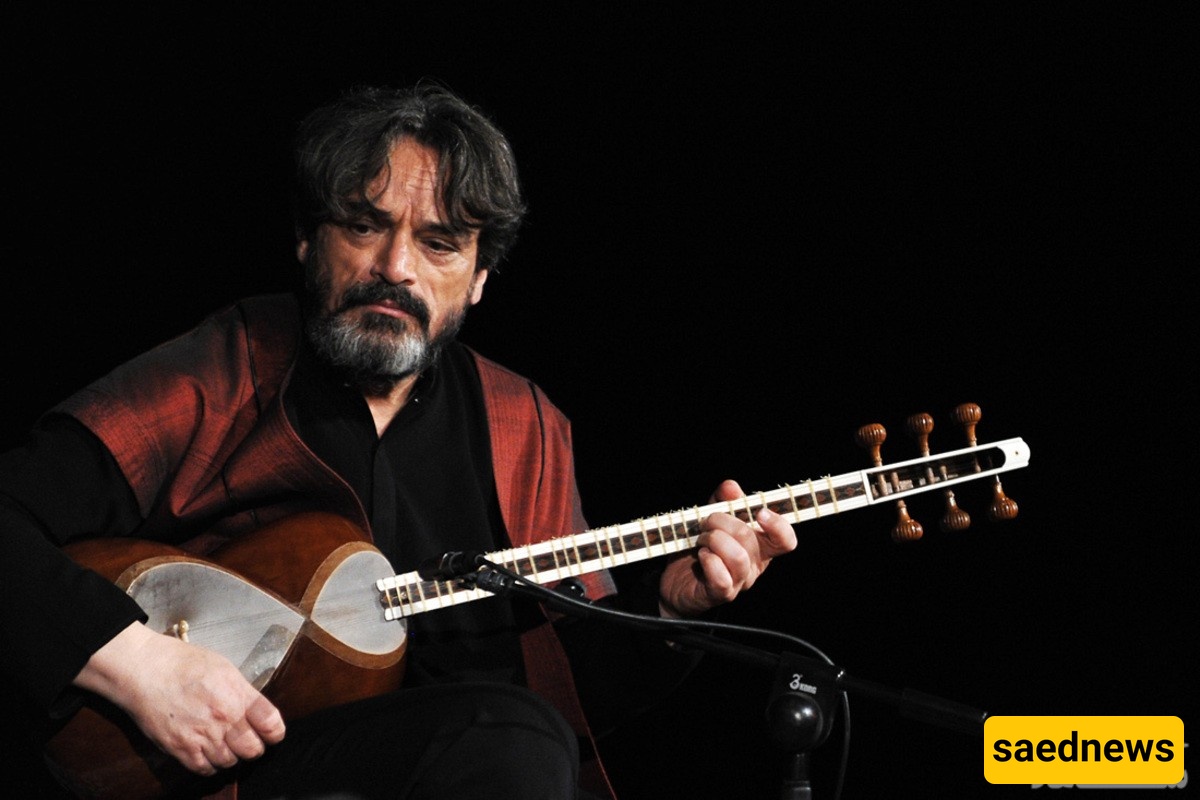
Structurally, Salane resembles the oud, though it features a longer neck.
Historical visual evidence and ancient artifacts indicate that Iranians have long been deeply interested in plucked string instruments. Many traditional instruments have evolved significantly over time, and their original forms differ greatly from modern versions. Cultural tastes in earlier eras were different and may not be easily understood today. However, what remains clear is the enduring commitment to preserving musical traditions.
The modern reconstructed Salane was built through the collaboration of master craftsman Siamak Afshari and Hossein Alizadeh. Although the instrument does not have a long historical continuity in its current form, its design is inspired by ancient instruments such as the rabab and other early Persian string instruments.
According to Siamak Afshari, the name “Salane” was chosen to reflect the gradual and patient process of rediscovering and reconstructing an instrument that felt missing from the musical landscape. The word implies a sense of “slow and deliberate” creation.
Creating a new instrument requires both artistic courage and deep musical knowledge. A musician who introduces a new instrument into the musical world brings new sonic possibilities and expands artistic expression.
Hossein Alizadeh has stated that he prefers not to speak extensively about his creative work before or after completing it. He emphasizes action over discussion, expressing that artistic work should be presented first and evaluated afterward by both supporters and critics. His approach reflects a commitment to experimentation and independence in musical creation.
The development of the Salane instrument in 2003 led to the release of an album with the same name. The album includes four improvisational tracks:
Mahتاب (Moonlight) – 16 minutes
Peygah (Dawn) – 13 minutes
Aftab (Sun) – 11 minutes
Shamgah (Evening) – 21 minutes
These pieces showcase solo improvisations by Alizadeh, exploring different Persian modal systems. The album presents performances in Bayat Esfahan, Bayat-e Kord, Afshari, and Segah.
In essence, Salane represents a hybrid concept, blending characteristics of the tanbur, setar, and oud, while producing a distinct and unique sound.
Salane is structurally similar to the tanbur but features a longer neck. It is described as having 12 strings in total. Upon listening, the instrument’s sound is noticeably bright and high-pitched.
Six strings are used for tuning and pitch control
The other six strings function as sympathetic strings, enhancing resonance and harmonic richness
This dual-string system allows the instrument to produce a layered and textured sound profile.
In Iranian musical tradition, many instruments are considered especially suitable for solo performance. They are often less compatible with large orchestral arrangements due to their modal and expressive nature.
Improvisation (bedāheh-navāzi) plays a central role in this tradition. In improvisation, the musician creates music spontaneously based on emotional state and intuition, without relying on pre-written compositions or extensive rehearsal.
A performer may develop an entirely new melody in real time, and sometimes such spontaneous performances become masterpieces. If the musician is satisfied with the improvisation, it may later be refined into a structured composition.
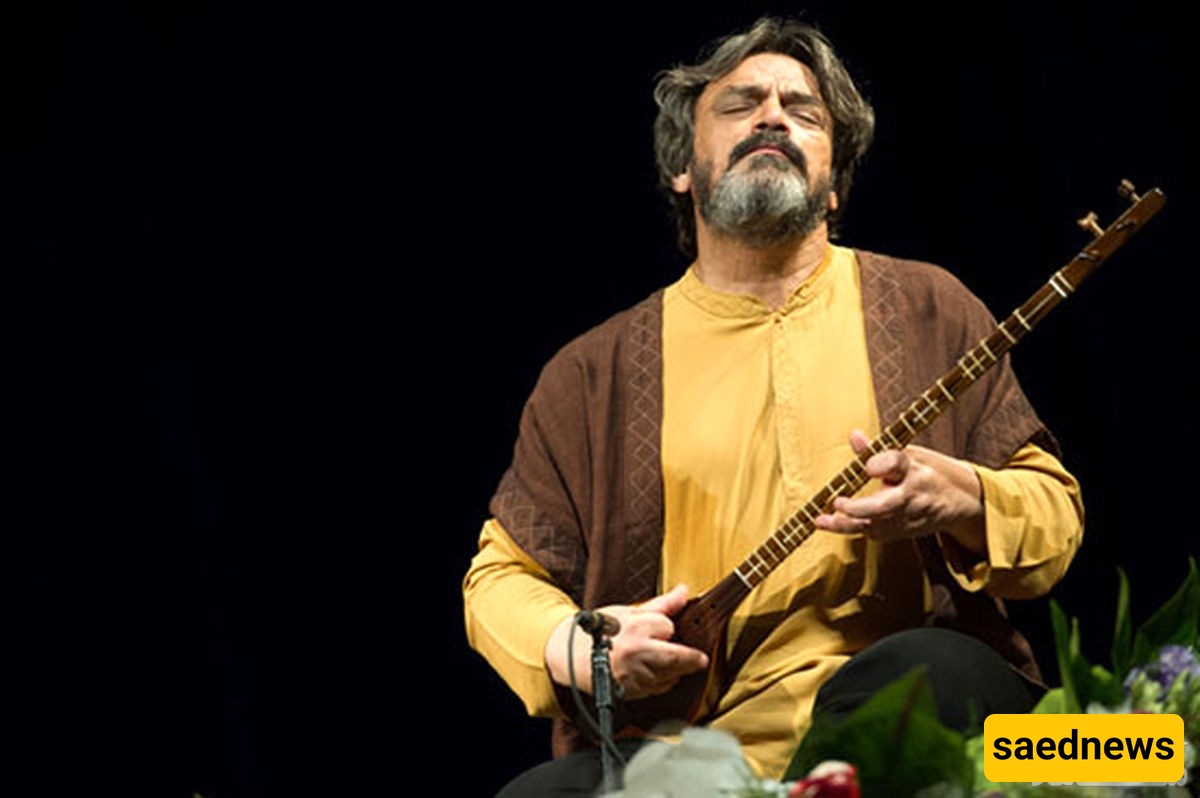
Following major transformations in Iranian music—where modal systems evolved into structured classical “dastgah” frameworks—certain instruments such as the oud, qanun, and organ became less prominent in everyday use. As a result, deep bass tonalities were less emphasized in traditional Iranian instrumentation.
Salane represents an attempt to reintroduce and reimagine these sonic spaces. It highlights the importance of innovation within tradition and reflects ongoing interest in preserving and revitalizing Iranian musical heritage.
Salane is not merely a reconstructed instrument; it is an artistic experiment bridging historical imagination and contemporary musical expression. Through the efforts of Hossein Alizadeh and collaborators, it stands as a creative exploration of forgotten sonic possibilities within Persian musical culture.