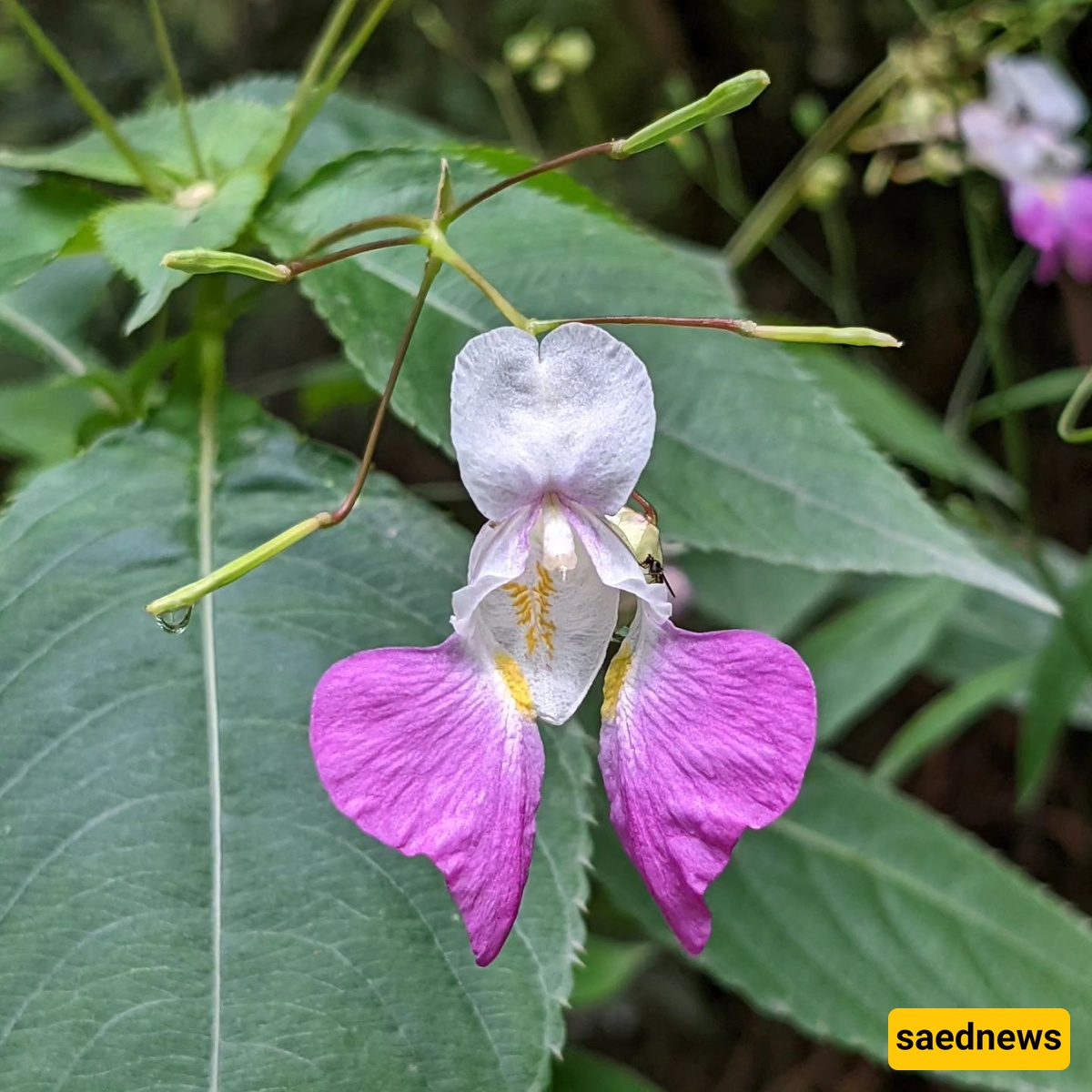
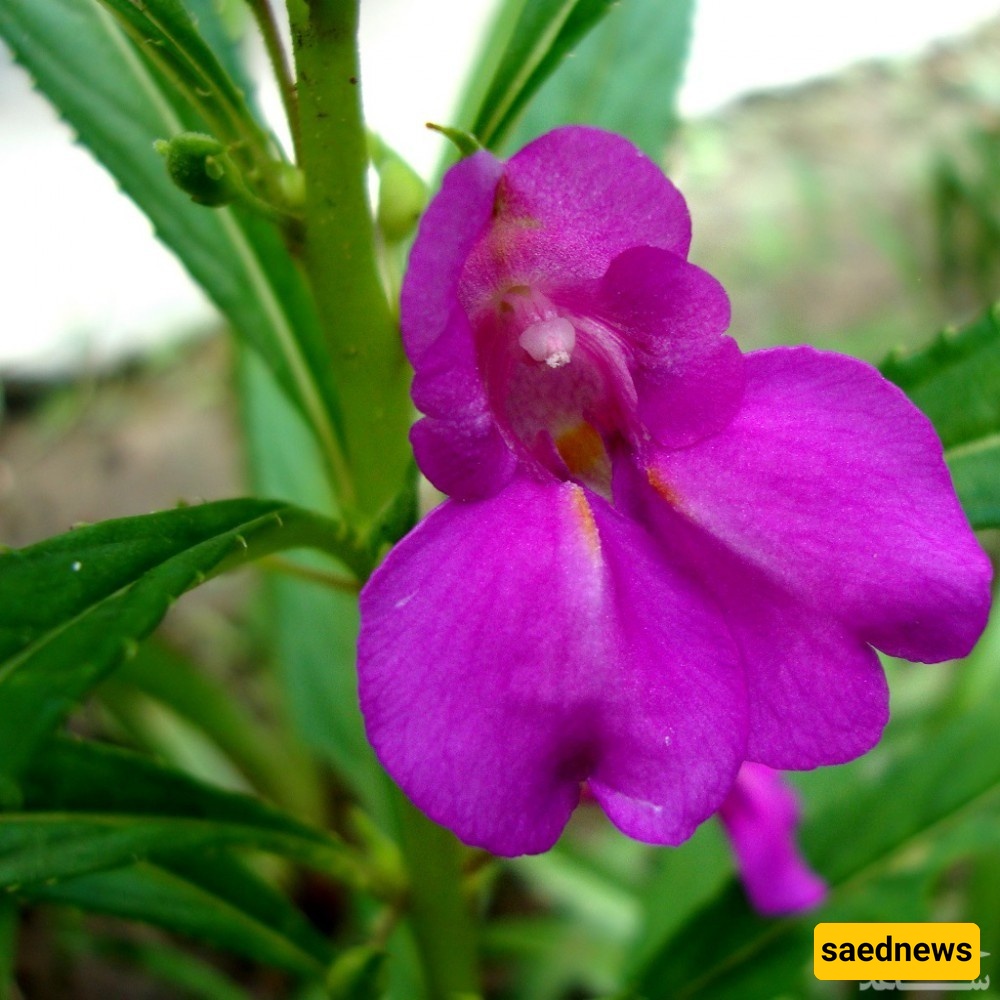
SAEDNEWS: The ornamental Impatiens plant, commonly known as “Gol-e Bi Sabr,” along with two other species from the Impatiens genus, are cultivated as decorative plants. The significance of this topic lies in the fact that this genus includes nearly one thousand different flowering plant species.
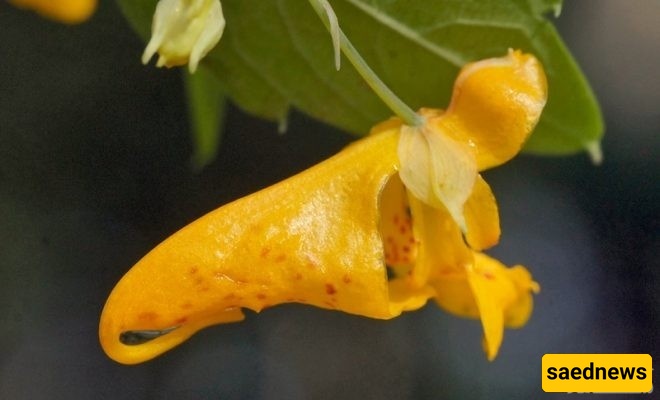
According to Saednews, Impatiens, commonly known as Busy Lizzie, is an ornamental flowering plant widely appreciated for its vibrant colors and long blooming season. It is part of the Geraniales order and is known for its sensitivity to cold weather, as it tends to wither with the arrival of cold temperatures. However, it is relatively tolerant of warm climates, making it suitable for gardens in tropical and subtropical regions.
Although this plant is not native to Iran, it can be found in some parts of the country. Its benefits and uses in gardening are widely valued. The flowers appear in shades of red, pink, purple, and white, and typically bloom from late spring to mid-autumn.
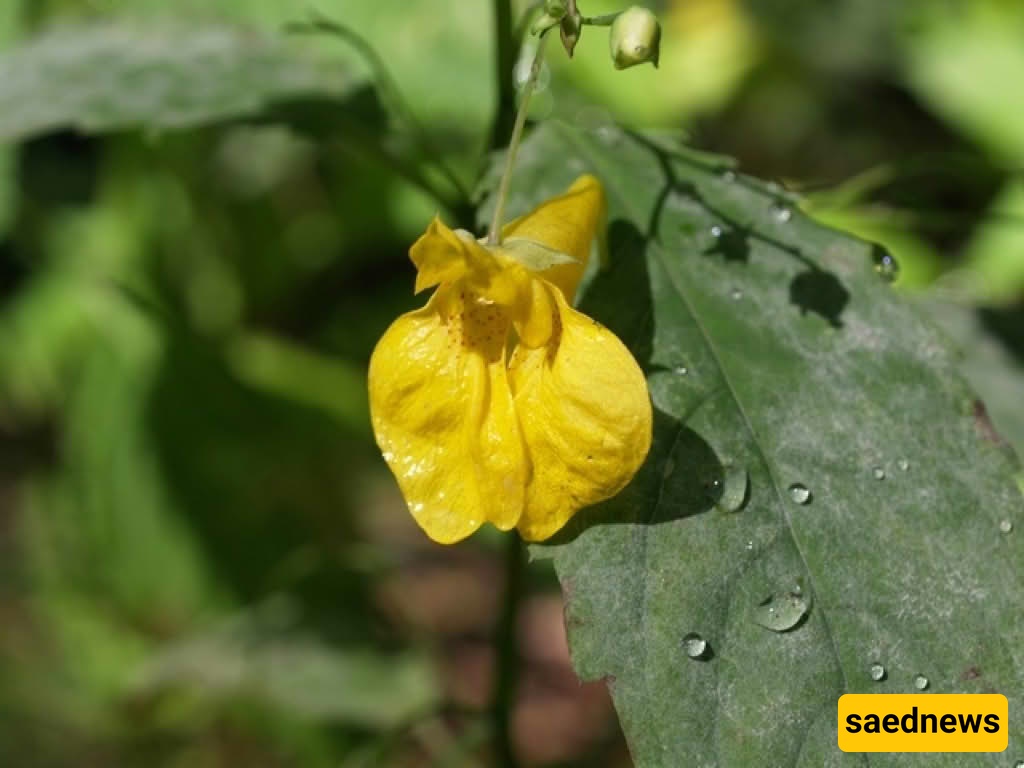
Impatiens walleriana, known in English as Impatiens or Busy Lizzie, belongs to the Balsaminaceae family. It is native to East Africa, particularly regions from Kenya to Mozambique. The plant thrives best in Mediterranean-like climates, but it can be grown successfully in many cities with proper care.
It is a perennial plant and can be easily propagated through cuttings. When grown under suitable conditions, it can produce flowers throughout the year in white, red, purple, and pink shades; otherwise, it may decline quickly.
Watering:
Impatiens requires a consistent watering schedule. The soil should be kept moist but never waterlogged. It is important to water the plant when the soil begins to dry. Regular misting is also recommended.
Temperature and Light:
The ideal temperature for growing Impatiens is between 15°C and 20°C. High temperatures can be harmful, as the plant prefers a cool environment to produce abundant flowers. It grows best in bright but indirect light.
Soil:
This plant prefers slightly acidic soil with good drainage. A suitable mix includes peat moss or coco peat combined with washed sand and decomposed leaf compost.
Fertilization:
Fertilizing is generally done during the plant’s slower growth period. The best time for feeding is from December to early March. The plant thrives in warm, humid environments with partial shade and can be placed under trees during spring and summer.
Many people struggle to maintain Impatiens successfully. One important point is to avoid repotting the plant immediately after purchase. Another key factor is lighting: while it requires sufficient light like other flowering plants, direct strong sunlight—especially during hot seasons—can burn the leaves and cause flowers to drop. Morning sunlight in winter is generally safe.
Maintaining proper humidity and placing the plant in a well-lit but shaded area helps ensure healthy growth and continuous flowering.
With proper care, Impatiens can be a beautiful and long-lasting addition to home gardens. It rewards growers with colorful blooms and a lush appearance throughout much of the year.