SAEDNEWS: Some traditional cleaning methods—from vinegar and baking soda to sunlight—remain highly effective even today, often outperforming modern tools and proving more affordable in many cases.
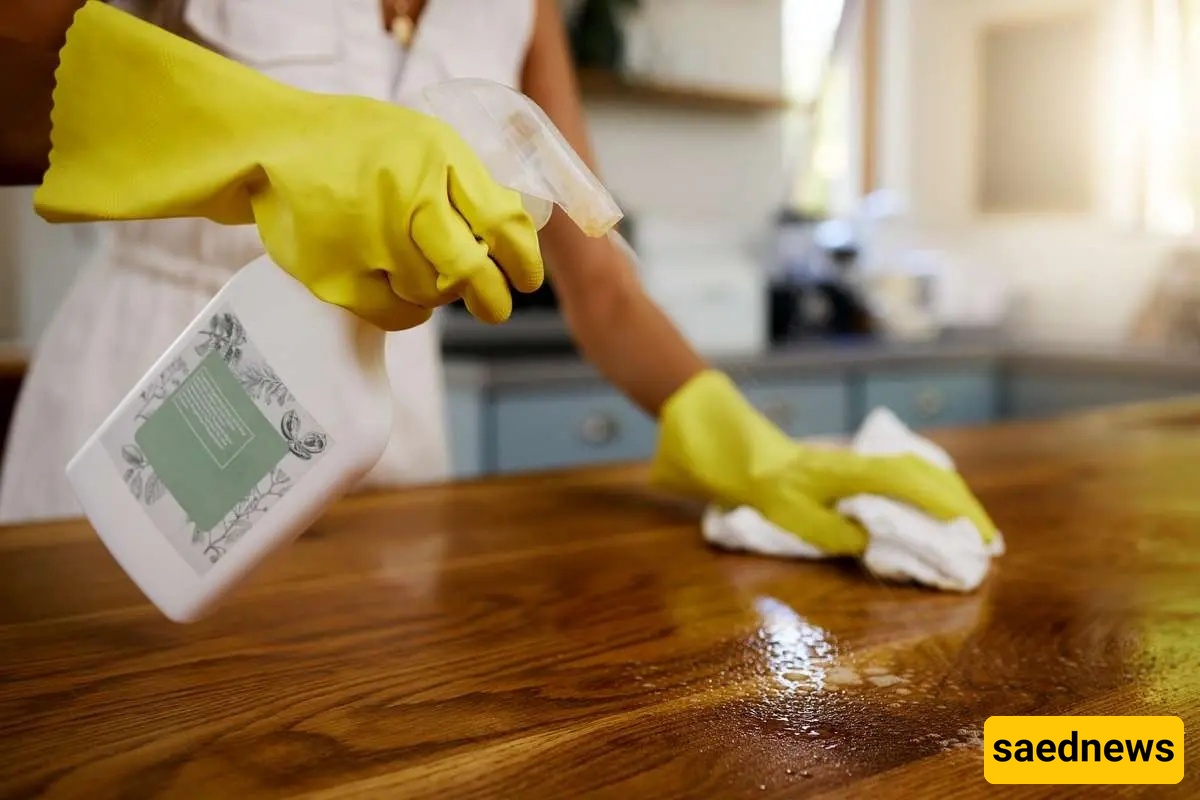
According to the Family Magazine section of SaedNews, amid a flood of new cleaning hacks and smart tools, returning to simple, tried-and-true methods can be a reliable way to keep your home clean—at lower cost and often with better results.
In an era where social media is full of strange cleaning hacks and smart gadgets promising to reach every corner of the house, many simple traditional methods have been pushed aside. Yet the reality is that some traditional cleaning techniques are not only still effective, but in some cases outperform modern methods.
Methods relied upon for generations—from parents to grandparents—can still play an important role in maintaining a clean home. From using materials that have been present in households for centuries to harnessing the natural power of sunlight, these “traditional” techniques continue to deliver results.
Cleaning experts emphasize that consciously returning to these methods can be both cost-effective and environmentally friendly. Here are five classic cleaning approaches that remain worth using.
Experts say that some cleaning principles never go out of style—even when new trends emerge online every day. Basic methods that rely on simple ingredients, regular repetition, and a bit of physical effort still form the backbone of effective cleaning. These approaches are not only reliable but often cheaper and more accessible than today’s specialized, expensive products.
Home appliance and kitchen cleaning specialists highlight that simple substances like vinegar and baking soda have been used for years because they truly work. They are usually available in every household, inexpensive, and can even help extend the lifespan of household items.
Many people also find a sense of calm and reassurance in traditional methods. Cleaning with simple tools, clear routines, and manageable physical effort evokes a sense of order and stability often missing in today’s fast-paced life. While modern gadgets make the job easier, this does not mean older methods should be abandoned entirely.
Vinegar has long been recognized as a key household cleaning ingredient. Its acidic properties break down grease, remove mineral deposits, neutralize odors, and even inhibit mold growth—making it a true multipurpose cleaner.
In the kitchen, vinegar has a wide range of uses. To clean a refrigerator, a spray bottle filled with equal parts warm water and vinegar helps loosen old food stains and grease. Simply spray, wait a few moments, and wipe with a clean cloth.
Microwaves, which quickly become dirty, benefit from a bowl of water heated for a few minutes to generate steam. Adding a bit of vinegar to the water increases cleaning power. Wiping the interior afterward with a damp cloth and a little dish soap leaves it fresh and odor-free.
Dishwashers also require regular care. Pouring white vinegar into a suitable container and running a full wash cycle helps remove grime and odors. Following up with baking soda can further enhance the cleaning process.
Baking soda, with a history of over two centuries, is known for its mild abrasiveness. It can remove stubborn stains and grime without damaging surfaces. It also naturally absorbs odors, eliminating the need for chemical fragrances.
At home, baking soda has many uses. Sprinkling it on carpets before vacuuming helps reduce unpleasant smells. For stainless steel dishes, mixing baking soda with a little water and rubbing it on surfaces delivers impressive results.
In bathrooms and kitchens, baking soda can clean sinks, tubs, stovetops, and greasy surfaces. Mix it with a little water to form a paste, then scrub with a sponge or brush.
For ovens, baking soda is one of the best options. Spread the paste inside the oven and leave it for several hours or overnight to soften grease. Finally, using vinegar or lemon juice helps remove any remaining residue.
Chlorine bleach has been used for over a century for disinfecting and remains one of the strongest options for eliminating bacteria and germs. It is especially important for deep cleaning and disinfecting areas prone to microbial contamination.
In bathrooms, proper bleach use disinfects toilets, tubs, and tiles. Adding the right amount to water and allowing sufficient contact time is crucial for removing stains and mold. In kitchens, disinfecting surfaces that come into contact with raw foods helps prevent foodborne illnesses.
Reusable water bottles, lidded cups, and mugs also need regular disinfection. Soaking them in a diluted bleach solution and air-drying is an effective, low-cost method.
In laundry, bleach has replaced older methods like boiling clothes. However, careful use is necessary, and it is not suitable for all fabrics. Running empty wash cycles with bleach helps keep washing machines clean.
Before dryers and industrial deodorizers, sunlight played a key role in refreshing fabrics. Direct sunlight can kill many bacteria, reduce odors, and even help whiten textiles.
Hanging sheets, towels, or even small rugs outdoors gives them a fresh feel. Even in homes without a yard, placing fabrics near a sunny window can have a noticeable effect. This simple, energy-free method remains one of the most effective ways to refresh textiles.
Paper towels may be convenient, but washable cloth towels remain a smart choice. They absorb more, produce less waste, and are more cost-effective over time.
Keeping a few clean cloths around the house and a dedicated basket for used towels helps maintain order. This simple method, once common, can still form part of a sustainable and responsible lifestyle.
In summary, these five traditional methods show that technological advancement does not necessarily mean abandoning past experience. Sometimes the simplest tools and techniques continue to deliver the best results—especially when used consistently and mindfully.