SAEDNEWS: Animal cream is a natural dairy product derived from milk fat, produced through mechanical separation without any chemical modification.
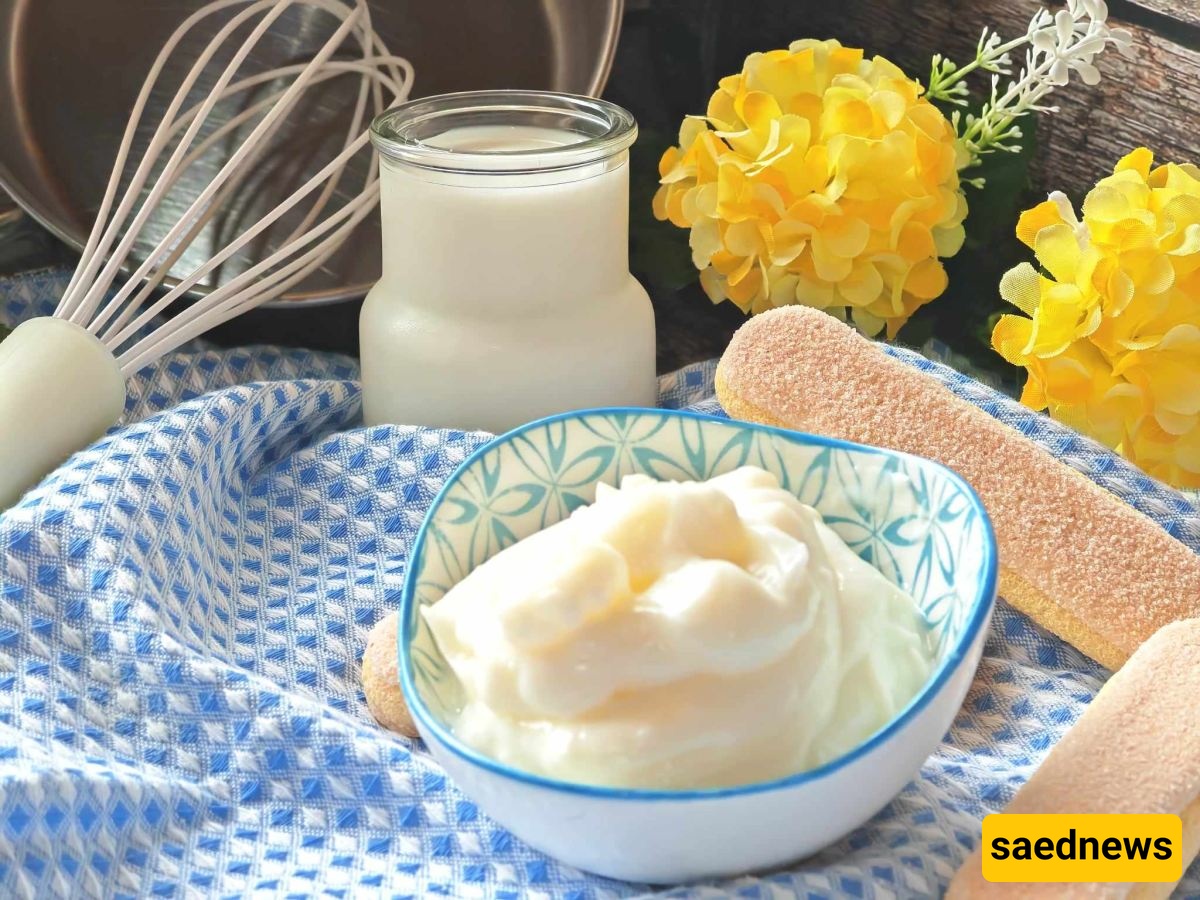
According to Saednews, In scientific terms, dairy cream is an emulsion of fat globules suspended in the aqueous phase of milk. It is separated directly from fresh cow’s milk through standard milk-processing methods. Simply put, cream is the fatty portion of milk that is naturally separated using mechanical processes.
Natural milk fat is an exceptionally complex mixture containing more than 400 different fatty acids. This unique composition gives dairy cream its distinctive aroma, creamy texture, smoothness, and nutritional properties. As a result, natural dairy cream has an authentic flavour and a texture that differs from similar plant-based products.
One of the most frequently asked questions is how dairy cream differs from plant-based cream.
Plant-based cream is generally made from vegetable fats, such as palm oil, palm kernel oil, or other hydrogenated oils. It may also contain additives to achieve a particular texture and flavour. In contrast, dairy cream is obtained from natural milk, and its main components include milk fat, protein, lactose, and minerals.
In terms of flavour, dairy cream has a natural, characteristic dairy taste and aroma, whereas plant-based cream may have a neutral or slightly artificial flavour.
Nutritionally, dairy cream contains fat-soluble vitamins such as vitamins A, D, E, and K, as well as certain beneficial fatty acids. However, this does not mean that plant-based cream has no nutritional value. The choice between the two should depend on individual dietary needs, eating habits, allergies, and personal preferences.
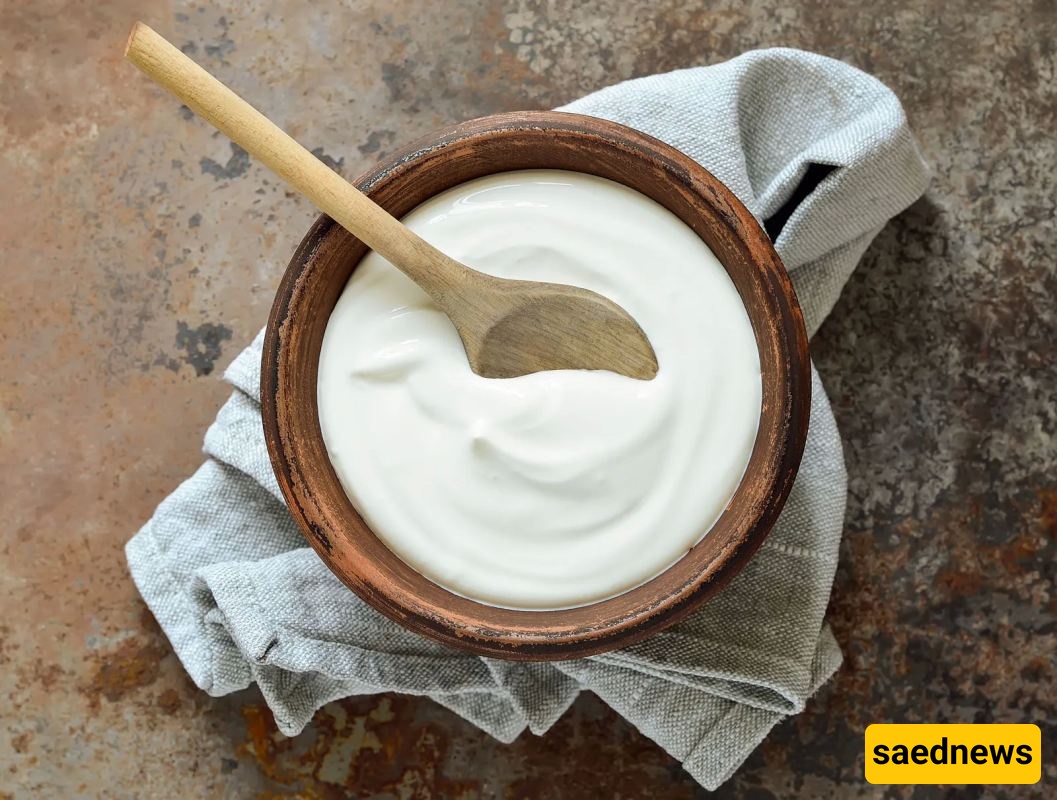
Dairy cream is not a single, uniform product. It comes in several varieties depending on its fat content and intended use.
Light or low-fat cream: Suitable for coffee, soups, and light sauces.
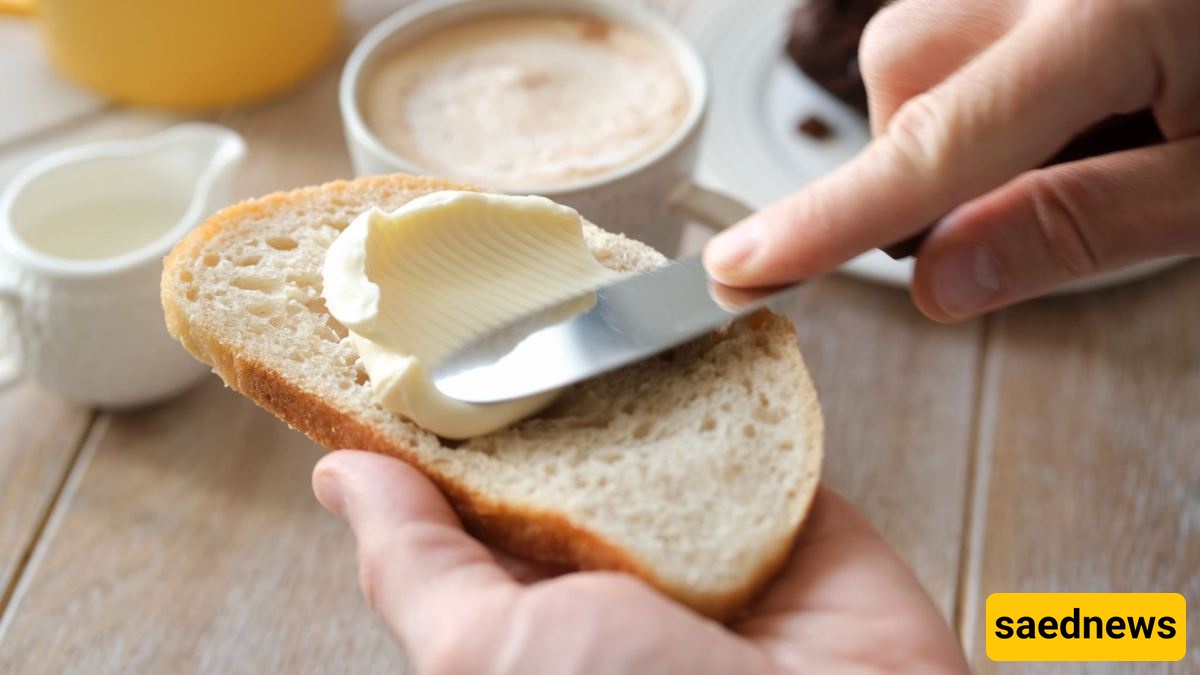
Table or breakfast cream: Usually has a moderate fat content and is commonly served at breakfast with bread and honey.
Whipping cream: Contains a higher percentage of fat and is suitable for decorating cakes, preparing desserts, and making ice cream.
Heavy cream: Used in thick sauces, specialty dishes, and traditional desserts.
Choosing the right type of dairy cream depends on its intended culinary application. For example, using low-fat cream to make whipped cream will not produce satisfactory results. Similarly, heavy cream may make coffee excessively rich and thick.
Dairy cream is a source of energy and dietary fat. It contains fat-soluble vitamins, including vitamins A, D, E, and K, as well as small amounts of protein, calcium, and phosphorus.
Its distinctive flavour and texture make it a popular ingredient in many dishes, where it enhances both aroma and consistency.
However, due to its high energy content and considerable fat percentage, dairy cream should be consumed as part of a balanced diet. Individuals with high cholesterol, cardiovascular conditions, or dietary fat restrictions should consult a nutrition professional to determine an appropriate intake.
People with lactose sensitivity or lactose intolerance should also be cautious when consuming dairy cream. Although cream generally contains less lactose than milk, this does not necessarily make it suitable for everyone with lactose intolerance.
When purchasing dairy cream, always check the product label. Some of the most important details to look for include:
Product name
Fat percentage
Production and expiration dates
Storage instructions
Pasteurisation status
Pasteurised dairy cream should be refrigerated and stored at the recommended temperature. Once opened, it is best to consume it within a short period and keep it in a tightly sealed container.
Avoid leaving cream at room temperature or storing it in the freezer for extended periods, as its emulsion structure may become damaged, potentially changing the product's texture.
Before using cream, check its smell, colour, and appearance. Any unpleasant odour or unusual discolouration may indicate spoilage.
One common misconception is that dairy cream is entirely unhealthy. This is not necessarily true. Like many other foods, dairy cream can be part of a balanced diet when consumed in moderation.
Another widespread misconception is that plant-based cream is always healthier than dairy cream. In reality, choosing between the two depends on their ingredients, consumption amounts, and an individual's health conditions.