SAEDNEWS: Mozzarella vs. Pizza Cheese: Which Is Best for Pizza?
According to Saednews, Pizza would almost lose its identity without cheese. Cheese not only completes the flavor and aroma of pizza but also creates the delicious stretch that many of us love.
However, one of the most common questions in home cooking is: What is the difference between mozzarella and pizza cheese? Are they the same? Which is better for pizza? Why do some cheeses melt perfectly while others make pizza soggy or greasy?
This article explores mozzarella and pizza cheese in detail, covering their ingredients, production processes, texture, flavor, melting properties, nutritional value, and culinary uses. It also provides practical guidance on choosing, buying, and storing the right cheese for pizza.
If you want to make homemade pizza with a professional taste and a satisfyingly stretchy texture, read on.

Mozzarella is an Italian cheese belonging to the pasta filata family. During production, the curds are kneaded with hot water or very hot steam until they develop a soft, elastic, stringy texture. Traditionally, mozzarella is made from water buffalo milk, although cow's milk mozzarella is now widely available.
Buffalo mozzarella, known as Mozzarella di Bufala Campana, has a richer, creamier, and slightly tangier flavor.
Mozzarella is available in two main varieties:
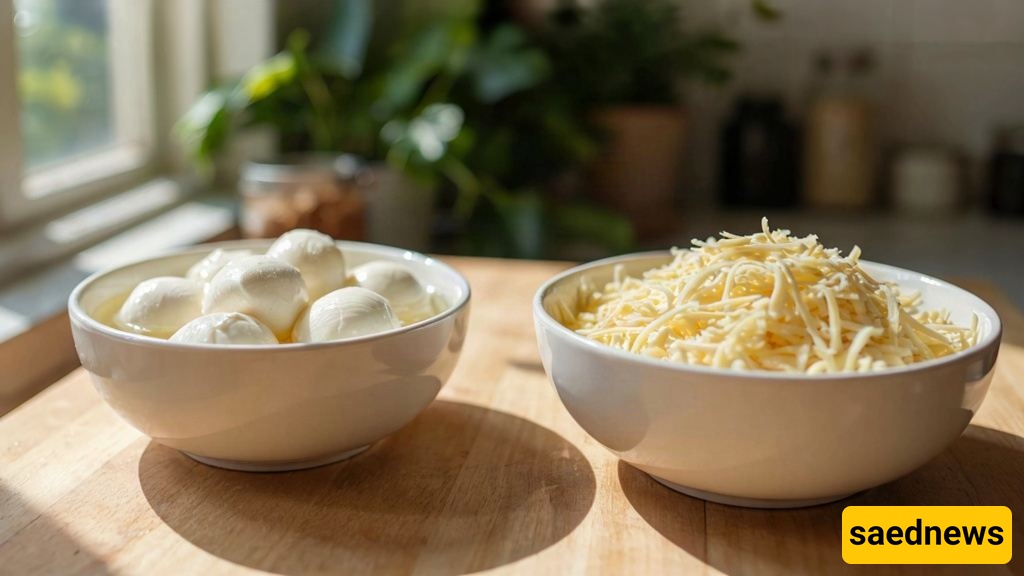
Fresh mozzarella: High in moisture, with a soft, delicate texture and a mild, milky flavor. It is usually stored in brine or whey and is ideal for Caprese salads, sandwiches, and appetizers.
Low-moisture mozzarella: Contains significantly less moisture, has a firmer texture, lasts longer, and melts exceptionally well. This is the type commonly used for pizza.
The key point is that mozzarella is a specific type of cheese, not a general term. Therefore, comparing mozzarella with pizza cheese means comparing a particular cheese with a category of cheese products designed for a specific culinary purpose.
Pizza cheese is a general or commercial term for cheese intended for pizza and other oven-baked dishes. It does not necessarily refer to a single type of cheese; it may contain a blend of several varieties.
In many countries, pizza cheese contains low-moisture mozzarella, cheddar, provolone, Parmesan, and sometimes processed cheese. In Iran, pizza cheese is generally manufactured to melt easily, provide good stretch, and deliver a mild flavor.
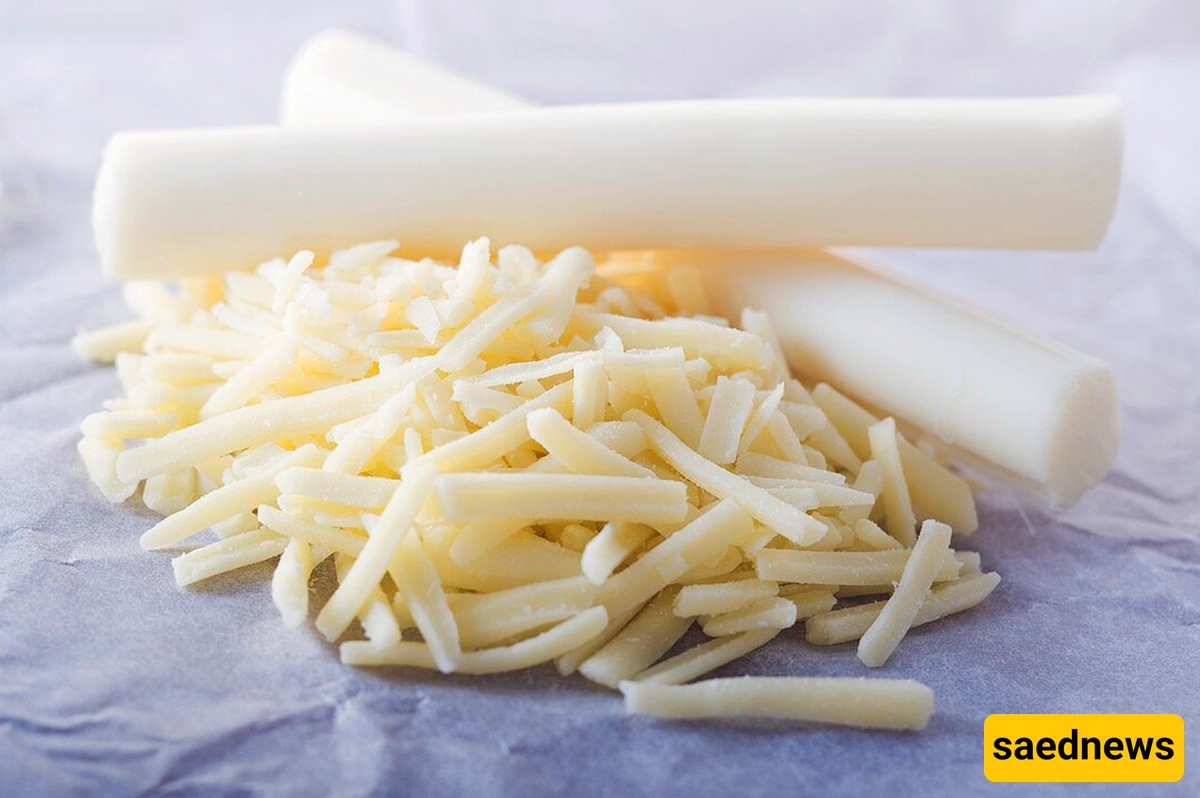
Pizza cheese typically has the following properties:
Easy grating: Commonly sold shredded or in thin strands.
Even melting: Melts well in the oven and coats the surface of the pizza.
Good stretch: Creates long, stretchy cheese strands after baking.
Mild flavor: Usually mild and slightly salty, allowing it to complement other pizza toppings.
Longer shelf life: Generally lasts longer than fresh mozzarella.
Some commercial products may also contain vegetable oils, starches, emulsifiers, and stabilizers. These ingredients can improve texture, increase stretch, reduce production costs, and extend shelf life, although they may affect nutritional value.
Feature | Mozzarella | Pizza Cheese |
|---|---|---|
Classification | A specific Italian cheese | A general category of cheese suitable for pizza |
Ingredients | Cow's milk or buffalo milk | Milk and sometimes vegetable oils, starches, and additives |
Moisture content | High in fresh varieties; moderate in low-moisture varieties | Usually moderate to low |
Texture | Soft, elastic, and stretchy | Semi-firm, stringy, and easy to grate |
Flavor | Mild, milky, and slightly tangy | Mild, salty, and sometimes relatively neutral |
Melting properties | Fresh mozzarella can release water; low-moisture mozzarella melts well | Generally designed for even melting and good stretch |
Uses | Caprese salads, sandwiches, appetizers, and pizza | Pizza, lasagna, pasta, and baked dishes |
Nutritional value | Generally rich in protein and calcium | Varies by ingredients; some products contain less protein and more sodium |
Price | Usually more expensive | Often more affordable and widely available |
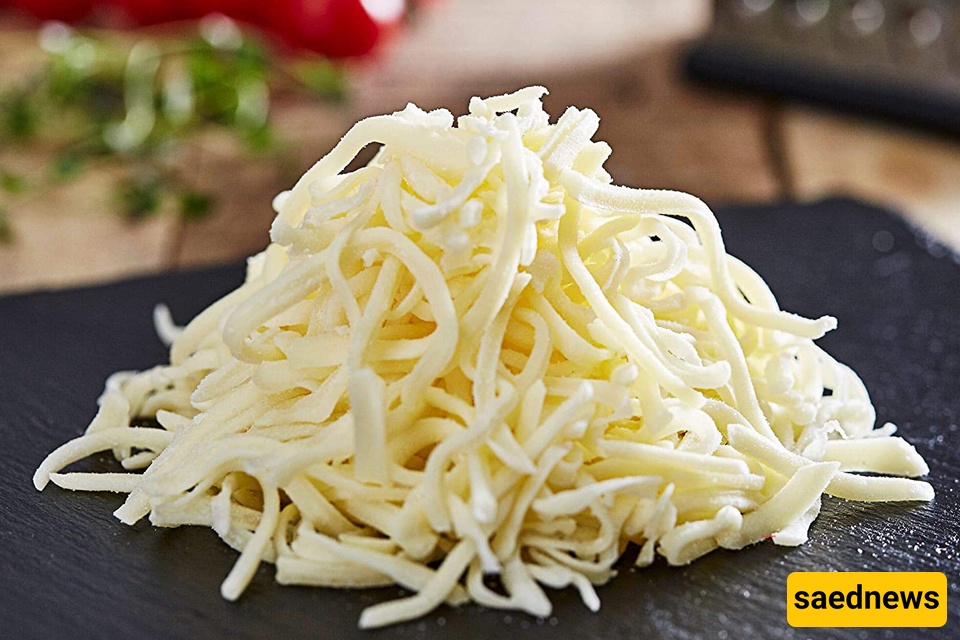
Authentic mozzarella is generally made from milk, salt, rennet, and sometimes bacterial cultures. Buffalo mozzarella is made from buffalo milk, while cow's milk mozzarella is made from cow's milk.
Pizza cheese, by contrast, may be a blend of different cheeses or a type of processed cheese product.
Many commercial products contain low-moisture mozzarella, cheddar, provolone, Parmesan, vegetable oils, starches, emulsifiers, and stabilizers. These ingredients can improve texture, increase stretch, reduce manufacturing costs, and extend shelf life.
Therefore, mozzarella is a specific cheese with relatively well-defined characteristics, whereas pizza cheese is a flexible category that varies between manufacturers.
Mozzarella is made using the pasta filata method. After the curds form, they are kneaded with hot water or steam to create an elastic, stringy texture. The cheese is then shaped into balls, small portions, or blocks.
Fresh mozzarella is usually stored in brine or whey and should be refrigerated and consumed within a relatively short period. Low-moisture mozzarella undergoes additional moisture removal, giving it a longer shelf life.
Pizza cheese, on the other hand, is often manufactured industrially to achieve consistent melting performance. Some products consist entirely of low-moisture mozzarella, while others combine different cheeses with permitted additives.
These products are frequently sold pre-shredded to make them more convenient to use. In some cases, heat treatment and emulsification help prevent fat separation and promote even melting during baking.
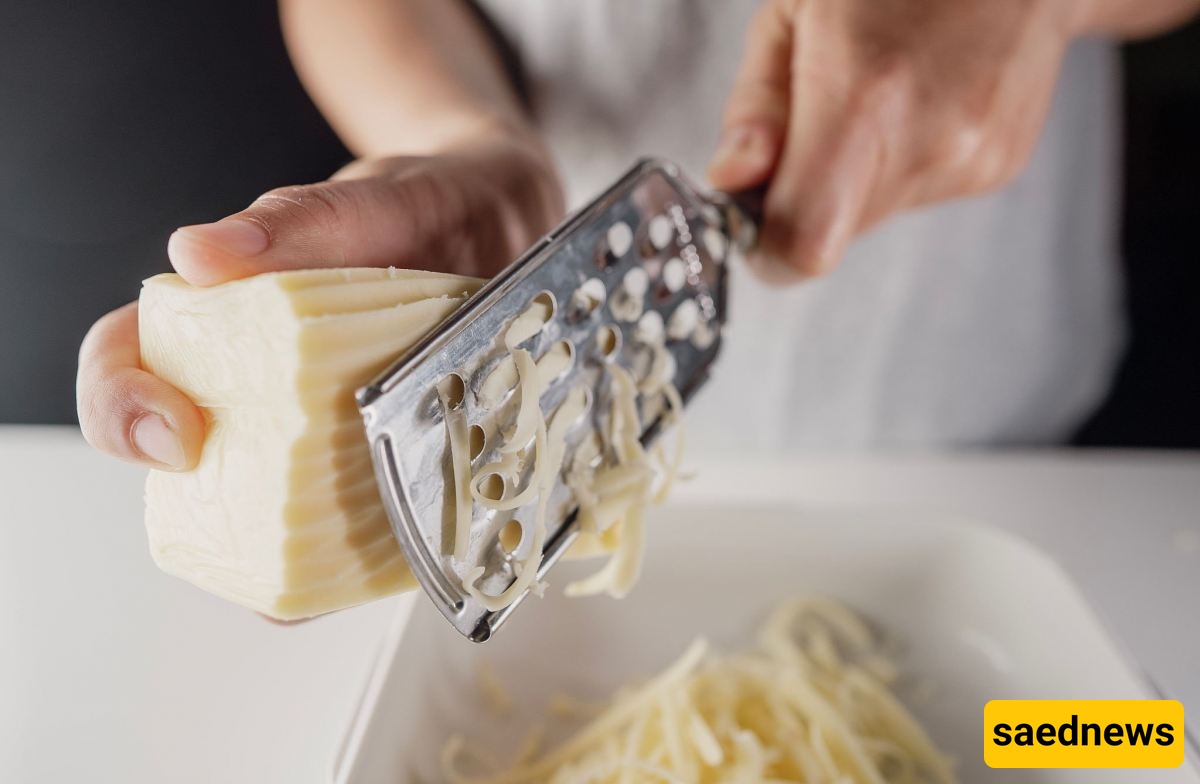
One of the most important differences between mozzarella and pizza cheese is their moisture content and texture.
Fresh mozzarella contains a great deal of moisture. It is soft, delicate, and easy to slice. However, this high moisture content can release excess liquid during baking, potentially making the pizza soggy.
For this reason, low-moisture mozzarella is generally preferred for pizza. It has a firmer texture and is easier to grate.
Pizza cheese usually has a semi-firm to firm texture and can be shredded easily. Its moisture content is balanced to prevent the pizza from becoming too wet while allowing the cheese to melt properly rather than becoming hard or burning.
This balance is one of the main reasons pizza cheese is popular in both home and commercial kitchens.
Fresh mozzarella has a mild, milky, slightly tangy, and refreshing flavor. Buffalo mozzarella is richer and creamier and is often served in Caprese salads or alongside fresh tomatoes and basil.
Low-moisture mozzarella has a milder flavor and is particularly suitable for cooking.
Pizza cheese generally has a mild, slightly salty taste. Some varieties may taste relatively neutral or have a more processed flavor. If cheddar or Parmesan is included in the blend, the flavor becomes richer and more pronounced.
In many commercial products, however, the flavor is intentionally mild so that the cheese complements the toppings while providing the desired texture and stretch.
Melting performance and stretch are among the most important qualities of pizza cheese.
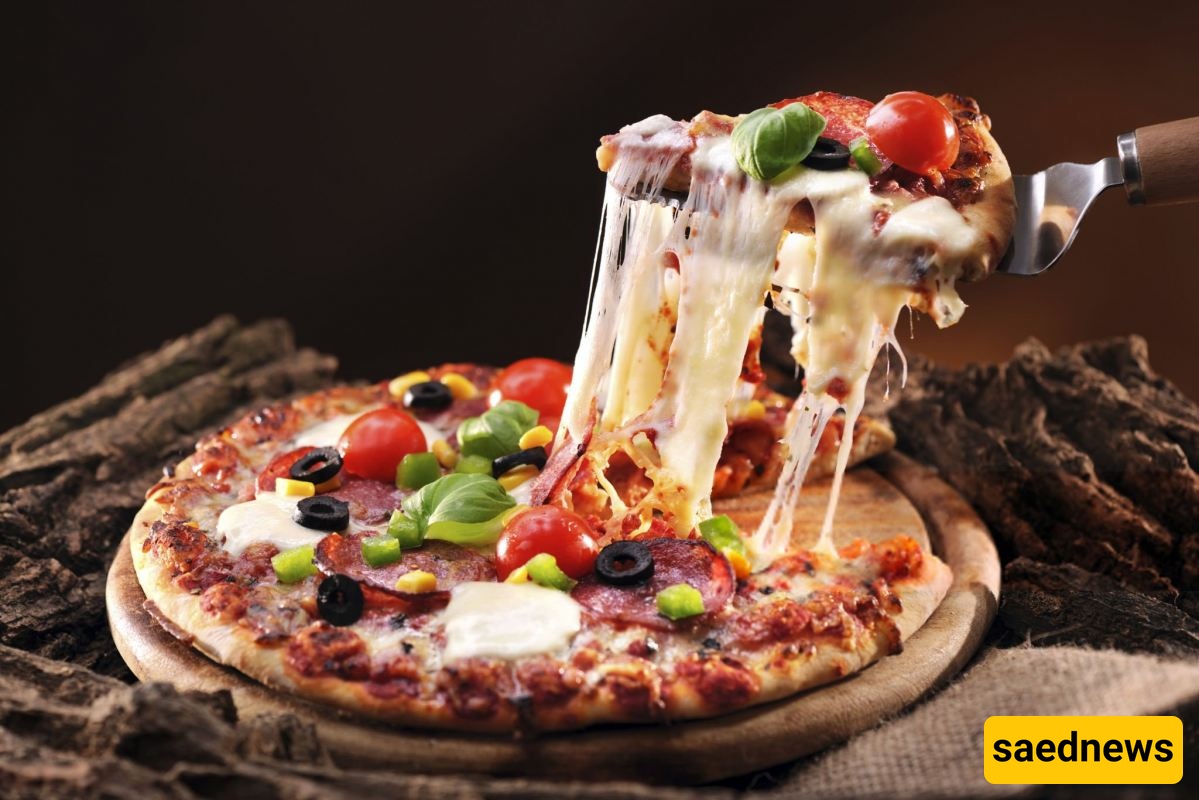
Low-moisture mozzarella is one of the best choices for pizza because it melts well, spreads across the surface, and creates long, stretchy strands.
Fresh mozzarella also melts, but its high moisture content can cause it to release excess water, making the pizza soggy.
Pizza cheese is specifically designed to melt evenly and provide good stretch. Many varieties retain some of their stretch even as the pizza cools.
However, products containing large amounts of vegetable oil or starch may behave differently during melting. Some can release fat and leave the pizza looking greasy. The quality of pizza cheese therefore depends heavily on its ingredients and manufacturer.
Authentic mozzarella is generally a good source of protein and calcium. Per 100 grams, cow's milk mozzarella typically contains approximately:
Protein: 22 grams
Fat: 22 grams
Calcium: A substantial amount, depending on the variety
Buffalo mozzarella generally contains more fat and may have a higher calorie content.
The nutritional value of pizza cheese varies according to its composition. If it is made entirely from low-moisture mozzarella, its nutritional profile will be similar to that of mozzarella. However, products containing vegetable oils, starches, added sugars, or high levels of sodium may provide less protein or derive more of their calories from fat and carbohydrates.
Commercial pizza cheeses can also contain considerable sodium. People monitoring their sodium or saturated fat intake should check the nutritional label carefully.
Mozzarella has a wide range of culinary applications.
Fresh mozzarella is excellent for Caprese salads, appetizers, sandwiches, toast, and dishes featuring fresh tomatoes and basil. Low-moisture mozzarella is ideal for pizza, lasagna, pasta, chicken Parmesan, and other baked dishes.
Pizza cheese is used primarily for pizza, lasagna, pasta bakes, garlic bread, hot sandwiches, and dishes that require melted, stretchy cheese.
Compared with fresh mozzarella, pizza cheese is often more affordable and easier to find, making it a practical choice for everyday cooking.

The short answer is that low-moisture mozzarella or high-quality pizza cheese made primarily from mozzarella is usually the best choice for pizza.
If you want an authentic Italian flavor, low-moisture mozzarella is an excellent option. Where appropriate, buffalo mozzarella can also be used for its richer flavor, although its moisture content should be considered.
If you prefer cheese that is easy to grate, melts evenly, stretches well, and is reasonably priced, commercial pizza cheese may be more practical.
One important consideration is quality. Very inexpensive pizza cheese containing excessive additives may release oil during baking, develop an unpleasant smell, or negatively affect the flavor of the pizza.
When buying pizza cheese, look for products in which mozzarella is the primary ingredient and the proportion of actual cheese is high.
Fresh mozzarella: Keep it refrigerated in its original brine. After opening, consume it within a few days, following the package instructions. Discard it if the liquid becomes cloudy or the cheese develops an unusually sour smell.
Low-moisture mozzarella: Store it in its vacuum-sealed packaging or a tightly closed container in the refrigerator. It generally lasts longer than fresh mozzarella. After opening, follow the manufacturer's storage and use-by recommendations.
Pizza cheese: Check the expiration date and storage instructions, especially when buying shredded cheese. Shredded products may be coated with starch or cellulose to prevent clumping. Keep the cheese in a sealed container in the refrigerator and avoid prolonged freezing, which can change its texture.
Nutritional labels: Check protein, fat, sodium, and additives. Protein content can help when comparing products, but it should not be the only measure of cheese quality.
Mozzarella and pizza cheese are two different concepts. Mozzarella is a specific Italian cheese available in fresh and low-moisture varieties. Pizza cheese is a general term for cheese designed to melt well, stretch, and perform effectively during pizza baking. It may consist of low-moisture mozzarella or a blend of different cheeses and other ingredients.
If you want pizza with a natural flavor, excellent texture, and satisfying stretch, choose low-moisture mozzarella or high-quality pizza cheese made primarily from mozzarella. If you need an affordable, convenient option for everyday cooking, pizza cheese can work well, provided you check its ingredients.
Ultimately, the main differences lie not just in the names but also in moisture content, composition, production methods, flavor, and melting behavior.