SAEDNEWS: Iranian afternoon tea still begins with a cup of tea, but caffeine-free herbal infusions are now finding their place alongside traditional black tea on the table.
According to Saednews, If you’re expecting guests on a Friday afternoon, one teapot of tea may not be enough for everyone. Grandma wants her tea strong and piping hot, your seven-year-old niece shouldn’t have caffeine, and a friend who struggles to sleep at night won’t touch tea after five o’clock. That’s why many households now set out two teapots for afternoon tea: one filled with freshly brewed black tea and the other with a caffeine-free herbal infusion. Read on to discover what to brew for each guest, how much tea to prepare, and which snacks pair best with each drink.
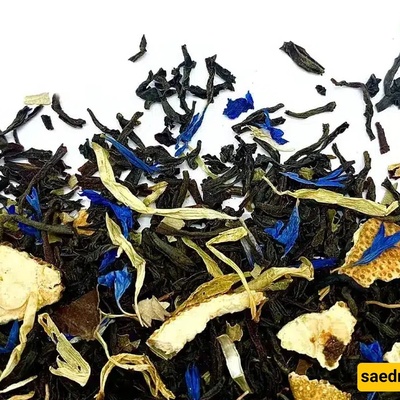
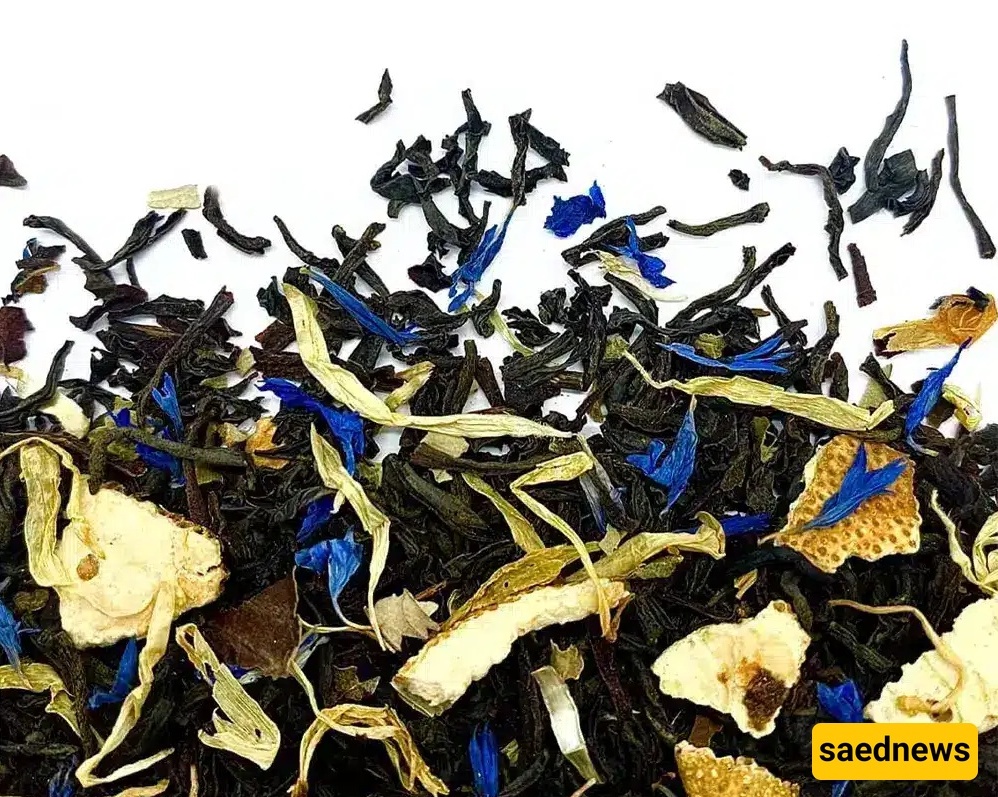
Earl Grey black tea with tea leaves and citrus peel for afternoon tea
There’s no need to prepare a separate drink for every person. One black tea and one herbal infusion will satisfy almost everyone; you just need to know which one to offer to whom.
Guest | Recommendation | Why It Works |
|---|---|---|
Older guests who prefer strong tea | Freshly brewed black tea, slightly weaker than usual | It offers a familiar taste while being less likely to interfere with sleep later in the evening. |
Someone who struggles to fall asleep at night | Chamomile, lemon verbena, or rooibos | All three are caffeine-free. |
Children | Lukewarm fruit infusion or rooibos with a little milk | Both are caffeine-free, and children often enjoy their color and naturally sweet flavor. |
Someone avoiding sugar | Flavored black tea, such as vanilla or cinnamon | Vanilla and cinnamon provide a sweet impression through their aroma, even without sugar. |
A curious guest who likes trying new things | Earl Grey or white tea | These offer something different from everyday tea and make a good conversation starter. |
The calculation is simple: each small tea glass holds about 100 milliliters, and each guest typically drinks two glasses during an afternoon gathering.
For 4 people: Use an 800-milliliter teapot with about 4 teaspoons of whole-leaf tea (8–10 grams).
For 8 people: Rather than leaving one large pot on the samovar for hours, brew two batches in succession. Prepare the second batch when the first round of glasses has been emptied.
For herbal infusions: Use one teaspoon of dried herbs per cup and add boiling water. Herbal infusions usually need 5–10 minutes to steep and generally don’t turn bitter if left to infuse longer, so you can prepare them ahead of time.
One traditional trick still works wonders: before adding the tea leaves, swirl a little boiling water around the teapot and tea glasses, then pour it out. A warm teapot won’t lower the water temperature, allowing the tea to release its color and aroma more effectively.
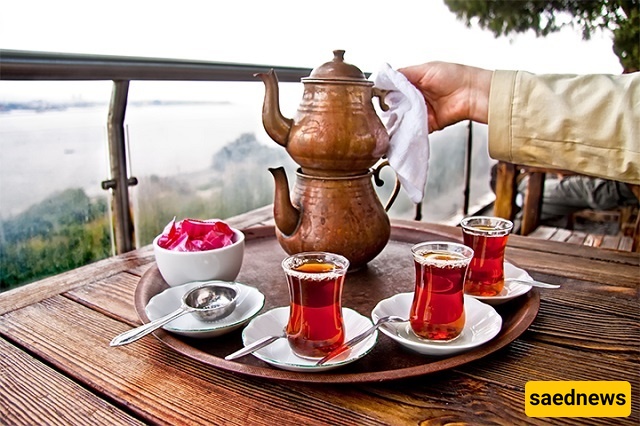
A good afternoon tea spread is all about pairing drinks and snacks that complement each other. As a general rule, strong tea goes well with rich sweets, while lighter herbal infusions pair nicely with milder treats.
Drink | Suggested Pairings |
|---|---|
Strong black tea | Yazdi cake, rice-flour cookies, baklava |
Earl Grey | Orange cake, butter biscuits |
Darjeeling | Mild dry pastries, traditional tea bread |
Masala chai (spiced milk tea) | Ginger biscuits, date cookies |
Chamomile | Plain vanilla cake, cookies |
Lemon verbena and mint | Cream-filled pastries; the citrus aroma helps balance the richness of the cream. |
Rooibos | Dates and walnuts, carrot cake |
Fruit infusion | Seasonal fruit, jelly, fruit-flavored pastries |
1. Leaving the teapot on the samovar all afternoon.
Black tea continues releasing tannins when kept hot, and after an hour or two, it can become the dark, astringent, stale-tasting brew that nobody enjoys. After steeping for four to five minutes, remove the leaves or use a teapot with an infuser, and brew fresh batches as needed.
2. Preparing herbal infusions in your regular tea pot.
The smell of tea lingers in the pot and can overpower the delicate aromas of chamomile or lemon verbena. Keep a separate teapot for herbal infusions, preferably a glass one.
3. Pouring boiling water over green tea.
If you’re also serving green tea, leave the kettle uncovered for two to three minutes after boiling, allowing the water to cool to around 80°C (176°F). Water at 100°C (212°F) can make green tea taste bitter and grassy.
4. Storing tea next to spices.
Tea leaves absorb surrounding odors. Even high-quality tea can lose its aroma if it has spent months next to cumin and pepper. Store tea in an airtight container, away from light, moisture, and strong smells.
Dried orange peel: Add two or three thin strips to give your tea a flavor reminiscent of a mild Earl Grey.
Cinnamon: Add one piece measuring 3–5 centimeters (about 1–2 inches). Avoid adding ground cinnamon to the teapot, as it settles at the bottom and makes the tea cloudy.
Saffron rock candy: Serve it alongside the tea glasses instead of regular sugar cubes. It offers the familiar color and aroma of saffron and is a traditional favorite among guests.
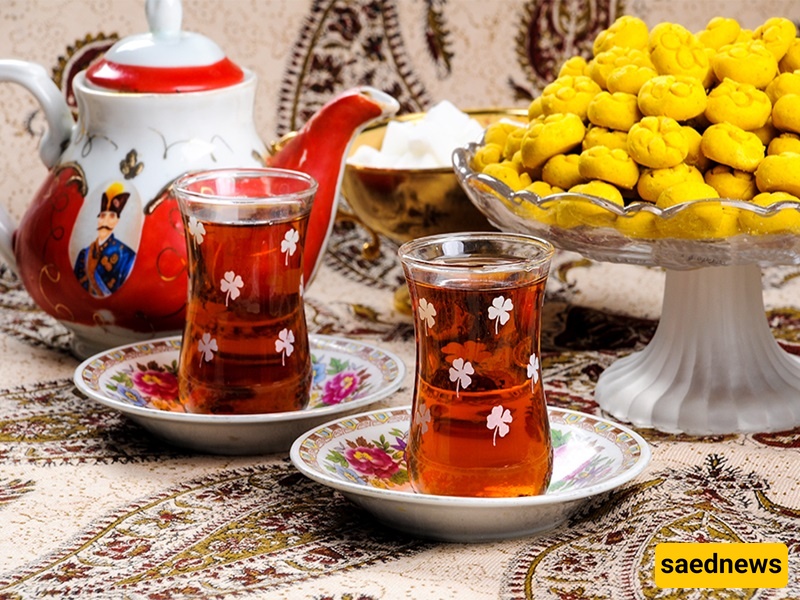
Black, green, and white tea all come from the leaves of the same plant, Camellia sinensis. Herbal infusions, on the other hand, are made from the leaves, flowers, roots, or fruits of other plants.
As highlighted in Tea Time’s herbal and fruit infusion collection, these drinks, unlike black or green tea, are generally caffeine-free and offer a wide variety of botanical blends. This makes them a practical choice for late afternoons and evenings.
If you’ve only ever drunk black tea, start with familiar flavors such as chamomile and lemon verbena. Then try fruit blends, which children often enjoy, and finally give rooibos a chance. Rooibos is caffeine-free, doesn’t become bitter, and tastes like a mild milk tea when combined with milk.
At Tea Time Iran, you can find both imported whole-leaf teas and herbal and fruit infusions, making it easy to choose something suitable for each of your two afternoon teapots.