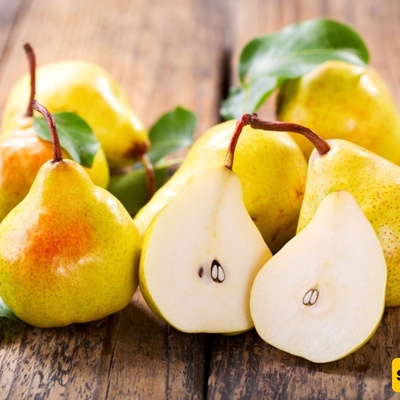
SAEDNEWS: Pears are delicious fruits enjoyed by many people. In this article, we explore their calorie content, nutritional value, and health benefits.

According to Saednews, Pears are sweet, delicious fruits rich in vitamins, minerals, and dietary fiber, including vitamin C. They offer numerous potential health benefits and are a nutritious addition to a balanced diet.
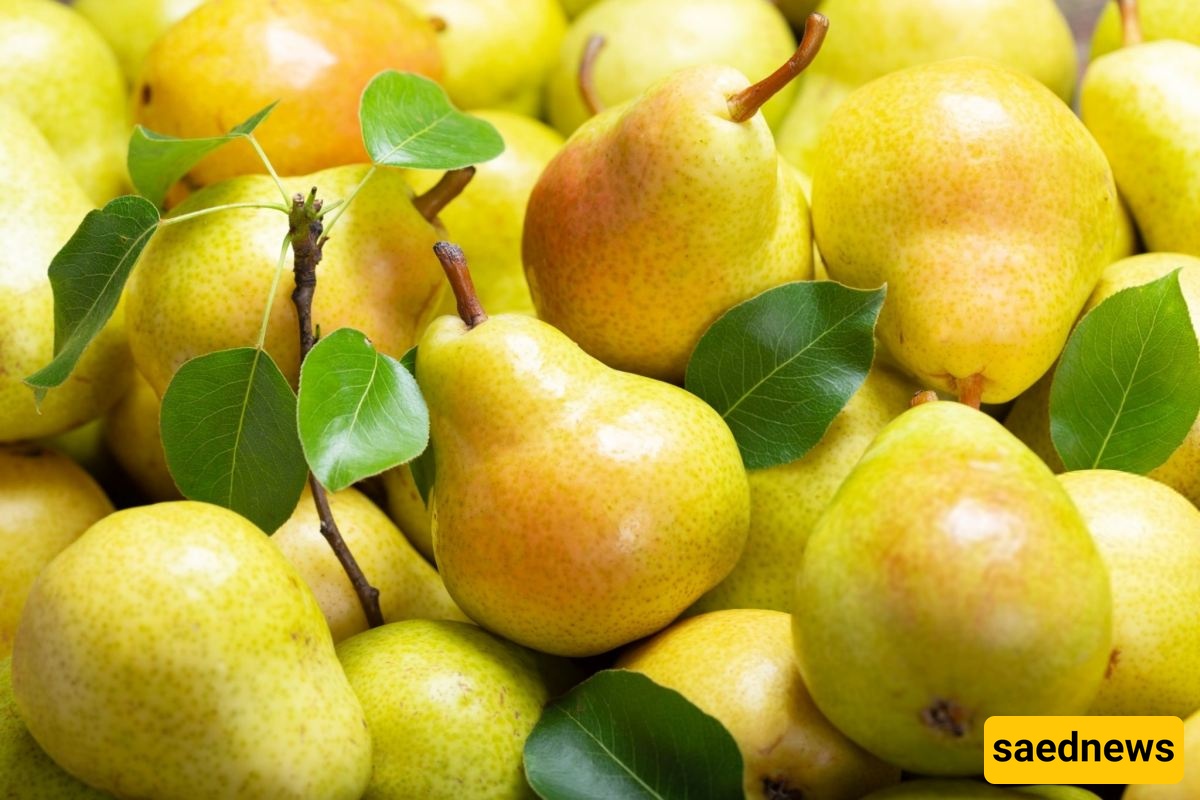
Pears are juicy, sweet fruits available in many varieties. Although there are numerous species of pear trees, only some produce fruit commonly consumed by humans, while others are grown primarily as ornamental trees and shrubs.
Pears are believed to have originated in China and are native to parts of Europe, North Africa, and Asia. In addition to their pleasant taste and widespread availability, pears have long been valued for their potential medicinal properties. Modern nutritional science recognizes that the vitamins, minerals, fiber, and natural compounds found in pears can contribute to overall health.
A 100-gram serving of pears contains approximately 58 calories.
Nutrient | Amount per 100 g |
|---|---|
Calories | 58 kcal |
Carbohydrates | 15.46 g |
Sugars | 9.80 g |
Dietary fiber | 3.1 g |
Protein | 0.38 g |
Thiamine (Vitamin B1) | 0.012 mg |
Riboflavin (Vitamin B2) | 0.025 mg |
Niacin (Vitamin B3) | 0.157 mg |
Pantothenic acid (Vitamin B5) | 0.048 mg |
Vitamin B6 | 0.028 mg |
Vitamin C | 4.2 mg |
Calcium | 9 mg |
Iron | 0.17 mg |
Magnesium | 7 mg |
Phosphorus | 11 mg |
Potassium | 119 mg |
Zinc | 0.10 mg |

Eating a pear can provide approximately 18% of the daily recommended fiber intake, depending on its size and the reference intake used.
Dietary fiber supports healthy digestion, helps regulate bowel movements, and may reduce the risk of constipation. Adequate fiber intake also contributes to overall digestive health.
Pears can be a useful addition to a weight-management diet because they are relatively low in calories and rich in fiber.
A medium-sized pear contains approximately 100 calories, although the exact amount depends on its size and variety. Its fiber and water content can help you feel fuller for longer, potentially reducing unnecessary snacking.
Like many other fruits, pears contain antioxidants that help protect the body's cells against oxidative stress caused by free radicals.
They provide vitamin C and various plant compounds, including flavonoids and other polyphenols. Depending on the variety, pears may also contain carotenoids such as beta-carotene, lutein, and zeaxanthin.
These compounds contribute to the body's natural defenses against cellular damage.
Antioxidants and other plant compounds found in pears are studied for their potential role in supporting long-term health.
A diet rich in fruits, vegetables, and dietary fiber is associated with a lower risk of certain diseases, including colorectal cancer. However, eating pears alone has not been proven to prevent cancer of the colon, rectum, breast, prostate, or lungs.
Pears are best enjoyed as part of a varied, balanced diet.
Pears contain vitamin C, which supports normal immune system function and helps protect cells from oxidative damage.
Although pears are not among the richest sources of vitamin C, including them in your diet can contribute to your overall nutrient intake and support general health.
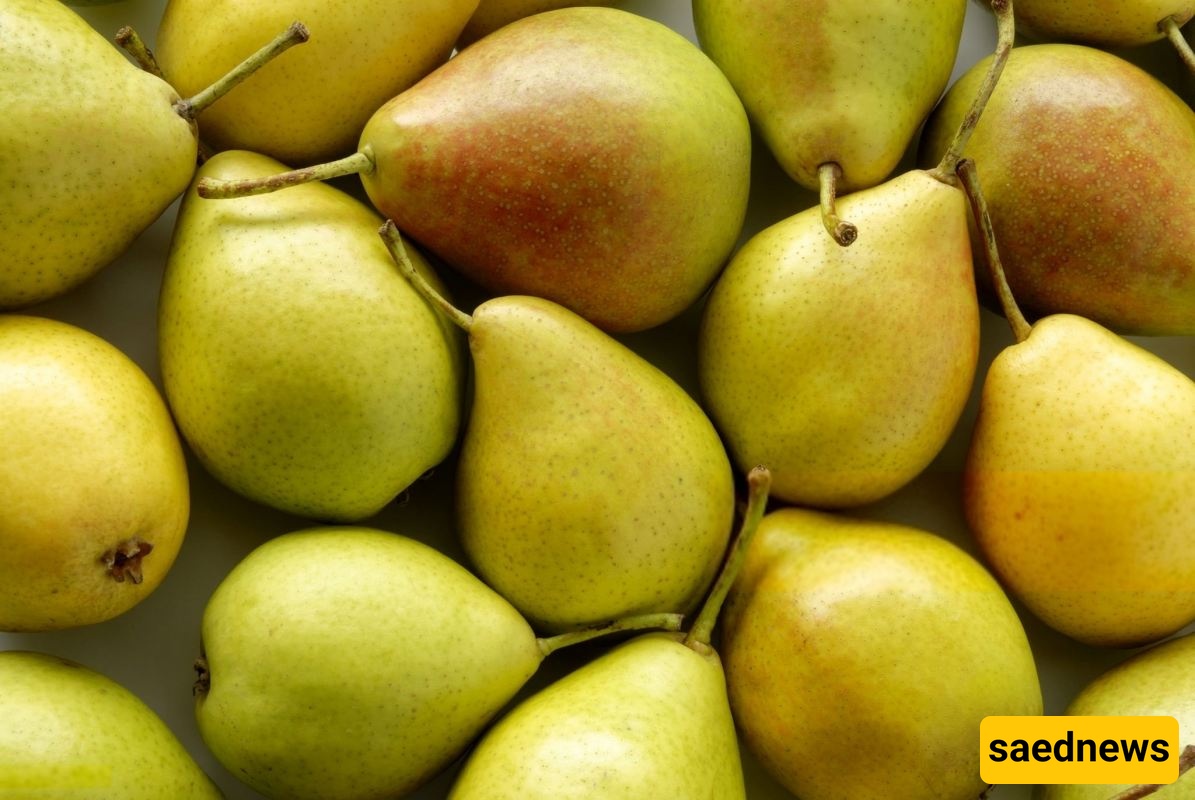
Pears provide potassium, a mineral that plays an important role in regulating blood pressure and supporting normal muscle and nerve function.
Adequate potassium intake, together with a balanced diet, can help maintain healthy blood pressure and support cardiovascular health. Pears also contain dietary fiber, which contributes to a heart-healthy eating pattern.
Vitamin C is essential for collagen production and normal tissue repair. Since pears contain vitamin C, they can contribute to the body's nutritional needs for maintaining healthy tissues.
Collagen is a structural protein needed for healthy skin, blood vessels, cartilage, and other connective tissues. Adequate vitamin C intake helps support the body's natural healing processes.
Pears contain small amounts of iron and copper, two minerals that are important for normal blood function.
Iron is necessary for producing hemoglobin, the protein in red blood cells that carries oxygen throughout the body. Copper supports iron metabolism and contributes to the formation of healthy red blood cells.
However, pears are not particularly rich sources of these minerals and should not be relied upon to treat anemia or significant nutritional deficiencies.
Pears contain folate, a B vitamin that is essential for cell division and normal fetal development.
Adequate folate intake before conception and during early pregnancy helps reduce the risk of neural tube defects in developing babies. However, pears alone cannot provide all the folate needed during pregnancy.
Women who are pregnant or planning to become pregnant should consult a healthcare professional about appropriate folic acid supplementation and dietary requirements.
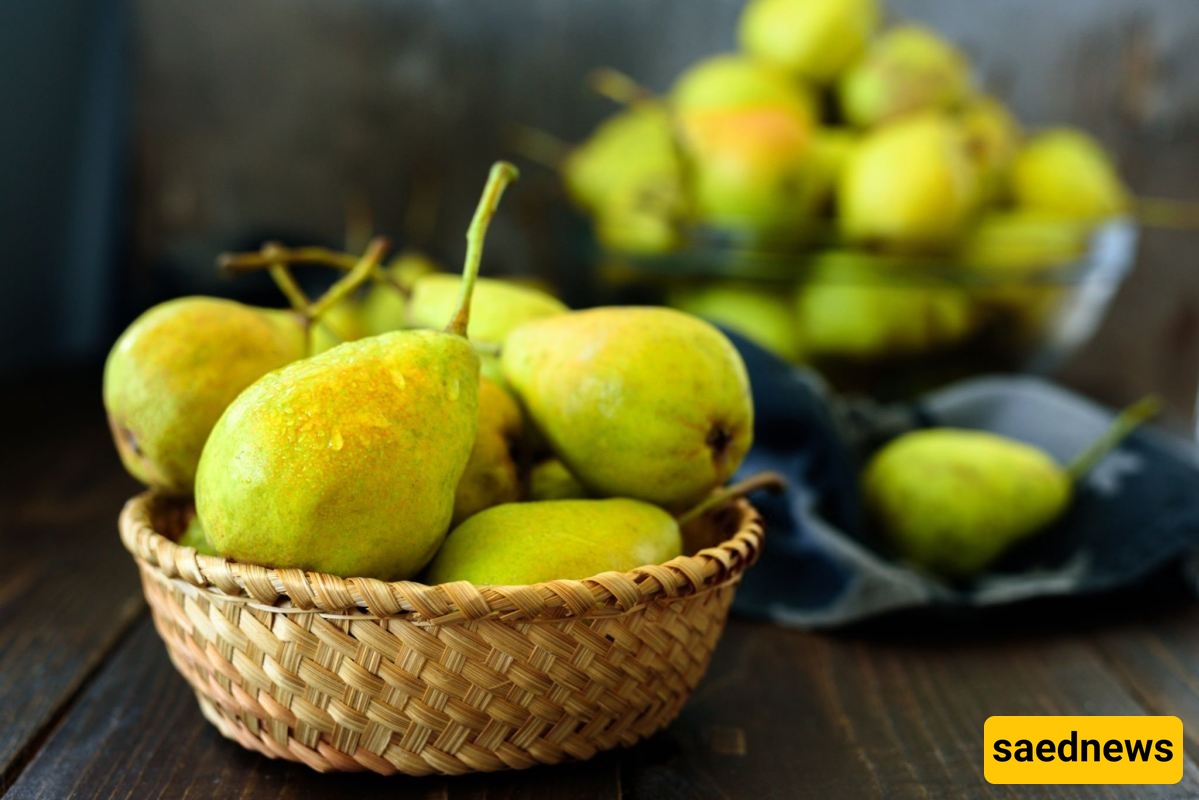
Pears contain small amounts of minerals such as calcium, magnesium, phosphorus, and copper, which contribute to normal bone function.
These nutrients play different roles in maintaining bone structure and supporting the body's metabolic processes. However, pears are not a major source of calcium or other bone-building minerals. Maintaining strong bones also requires adequate overall nutrition, regular physical activity, and other healthy lifestyle habits.
Pears contain vitamin C and various plant compounds that contribute to overall health.
Vitamin C is necessary for collagen synthesis and helps protect cells against oxidative stress. These functions support normal skin structure and tissue repair.
Including pears in a balanced diet can contribute to healthy skin. However, there is insufficient scientific evidence that eating pears directly prevents hair loss, wrinkles, age-related skin spots, cataracts, or age-related macular degeneration.
Pears have traditionally been used in some cultures as part of home remedies for coughs and other respiratory symptoms.
Warm pear-based drinks may help soothe an irritated throat and provide fluids during an illness. However, there is insufficient scientific evidence that pears or pear leaf infusions treat shortness of breath, chest pain, bronchitis, whooping cough, or other respiratory diseases.
Persistent breathing difficulties or chest pain require prompt medical attention rather than reliance on home remedies.
Pears are nutritious, relatively low-calorie fruits that provide dietary fiber, vitamin C, potassium, and beneficial plant compounds. Their nutritional profile makes them a valuable addition to a balanced diet.
Eating pears regularly may help support digestive health, weight management, normal immune function, and cardiovascular health. Their fiber and antioxidant content also contributes to the benefits of a diet rich in fruits and vegetables.
Although pears offer several nutritional advantages, they are not a substitute for medical treatment or a balanced diet. For optimal health, enjoy pears alongside a variety of fruits, vegetables, whole grains, and protein-rich foods.