SAEDNEWS: Constant exposure to heat and humidity in the bathroom can compromise the quality of beauty and personal care products while creating an environment that encourages bacterial and fungal growth. This article explores which products should be kept out of the bathroom and shares practical tips for storing them properly.
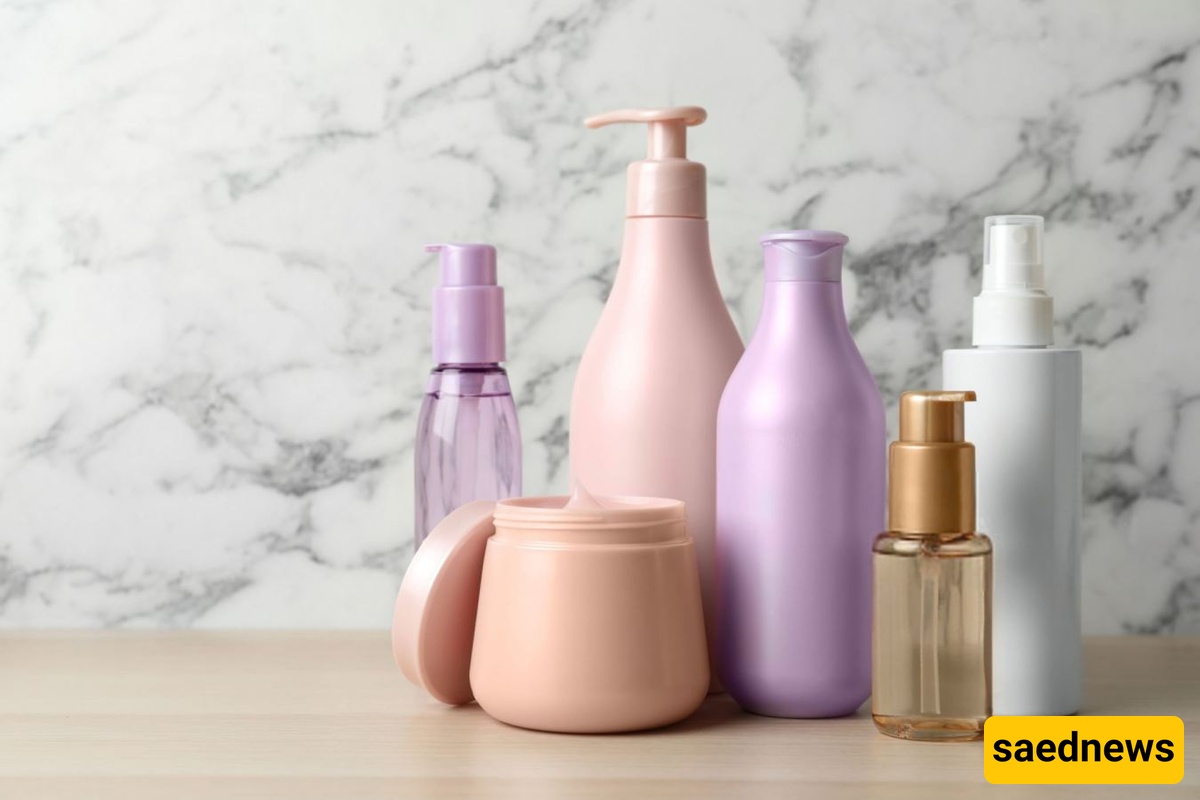
According to Saednews, The bathroom is one of the most common places to store beauty and personal care products. Many people fill their bathroom shelves with shampoos, creams, perfumes, makeup, and skincare products without realizing that constant humidity and heat can significantly affect their quality, safety, and shelf life.
Although storing cosmetics in the bathroom may seem convenient, the environment can encourage product deterioration, bacterial and fungal growth, changes in texture, and even potential damage to the skin and hair.
In this article, we explore which beauty and personal care products should not be stored in the bathroom and explain why. We also share simple ways to preserve product quality and avoid unnecessary waste. Read on to discover which items should be moved out of the bathroom and which ones can be stored there with proper precautions.
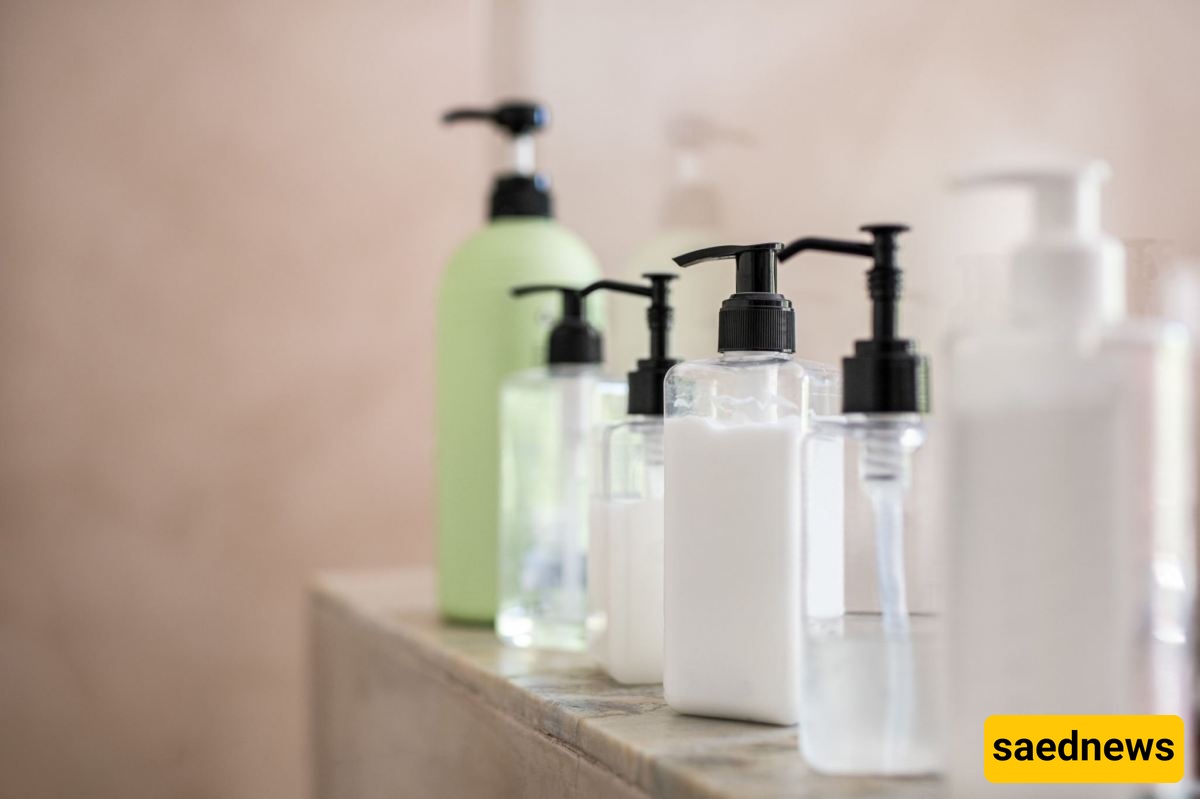
Bathrooms are typically warm, humid environments filled with water vapor. After every shower, humidity levels rise, leaving surfaces and shelves damp. These conditions can encourage the growth of microorganisms.
In addition, sudden temperature changes and exposure to steam can affect product formulations, cause oil and water phases to separate, accelerate the oxidation of active ingredients, and reduce product effectiveness.
Many beauty and personal care products also come in packaging that is not designed to withstand constant moisture. Water accumulating around lids, steam entering containers, and direct contact with shower water can increase the risk of microbial contamination.
For these reasons, storing cosmetics in the bathroom is generally not recommended and may compromise the health of your skin and hair.
Perfumes and colognes are among the beauty products most sensitive to heat and humidity. Bathroom heat can break down fragrance compounds and alter the scent over time.
Moisture may also contribute to corrosion around bottle caps and increase the risk of contamination.
Perfumes should be stored in a cool, dry place away from direct sunlight to preserve their original fragrance and quality.
Sunscreen is formulated to protect the skin against ultraviolet (UV) radiation. However, bathroom heat and humidity can affect its formulation.
Some sunscreen filters may become less stable at elevated temperatures, potentially reducing the product's protective performance.
Repeatedly opening and closing sunscreen containers in humid environments may also increase the risk of contamination.
It is best to store sunscreen in a dry cabinet in your bedroom or in a cosmetics bag outside the bathroom, following the manufacturer's storage instructions.
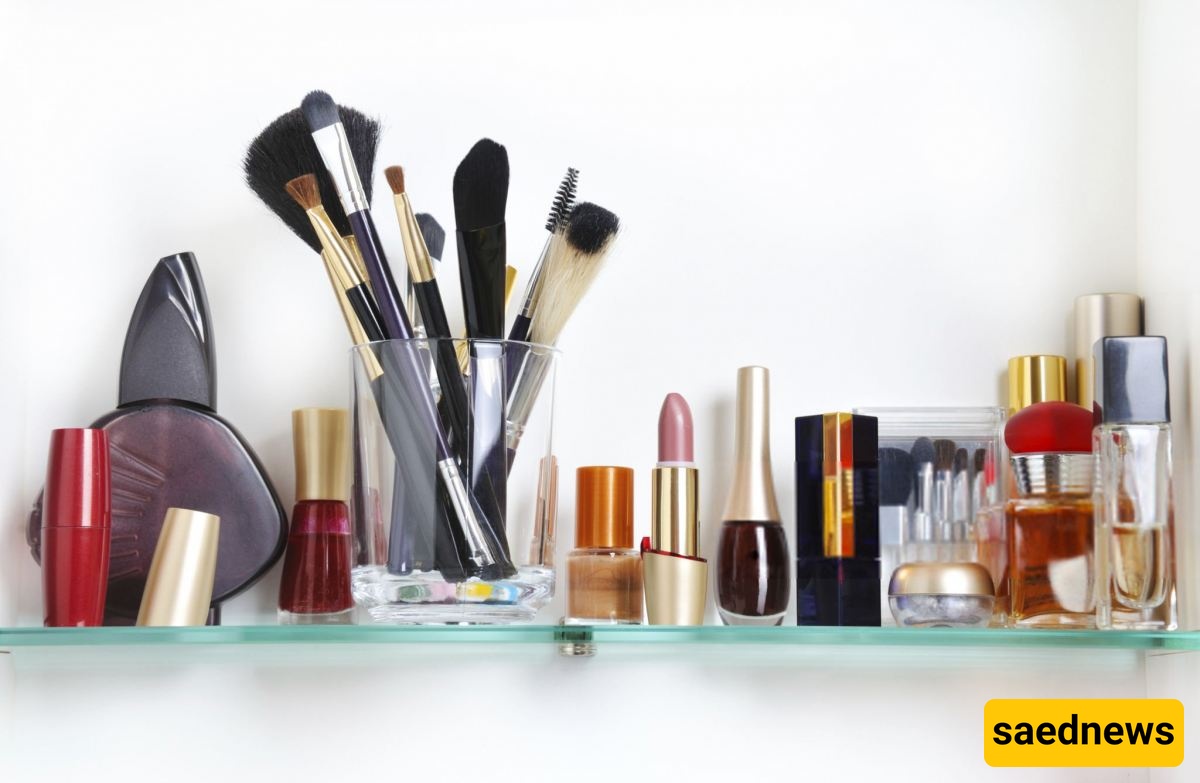
Brightening and antioxidant serums, particularly vitamin C serums, are highly sensitive to light, heat, and air exposure.
Storing these products in the bathroom may accelerate oxidation, cause discoloration, and reduce their effectiveness.
Serums containing fruit acids (AHAs), niacinamide, and hyaluronic acid should also preferably be kept in a cool, dry environment, according to their individual storage recommendations.
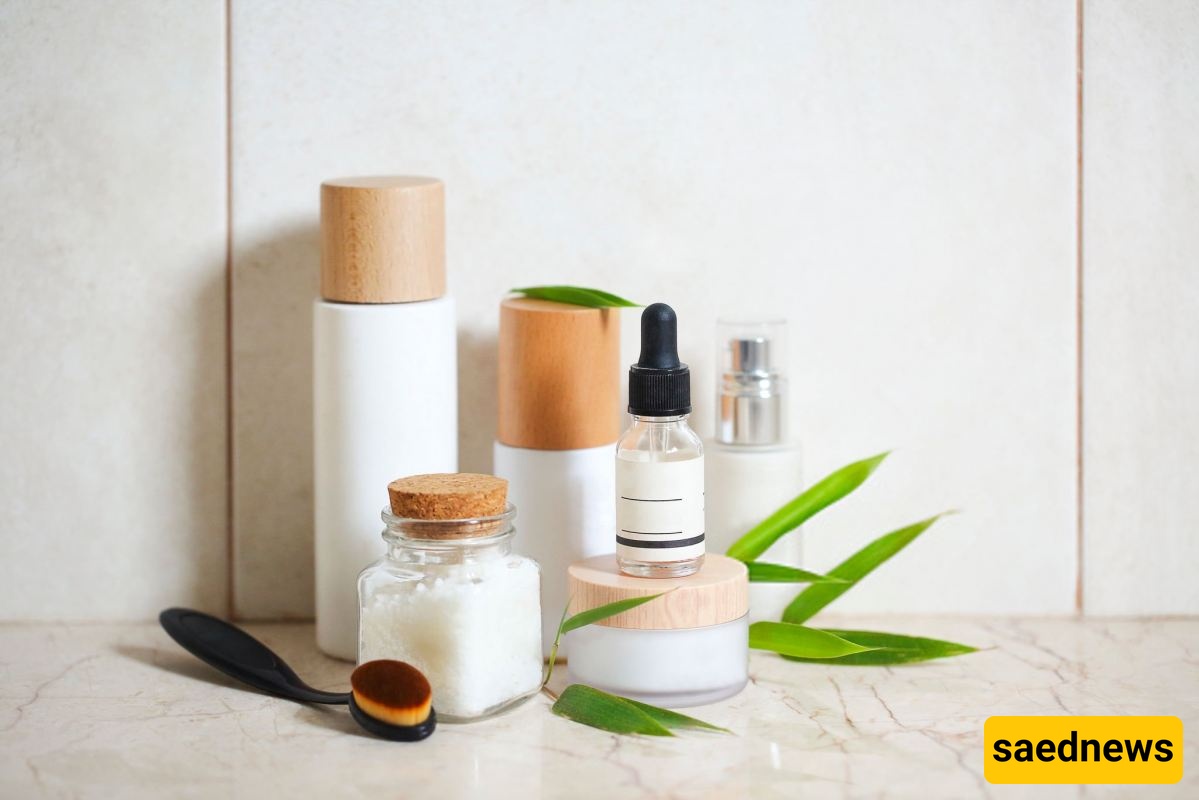
Retinol and its derivatives are active ingredients that can be sensitive to light and heat.
Prolonged exposure to bathroom conditions may accelerate the degradation of these ingredients and reduce the effectiveness of anti-aging products.
High humidity and temperature fluctuations may also affect the texture and consistency of certain creams.