SAEDNEWS: Abandoned Cities,Foreign Tourists, San Elmo in the USA, India and the USA, Chile and Turkey, Spain and Namibia – Top Tourist Attractions
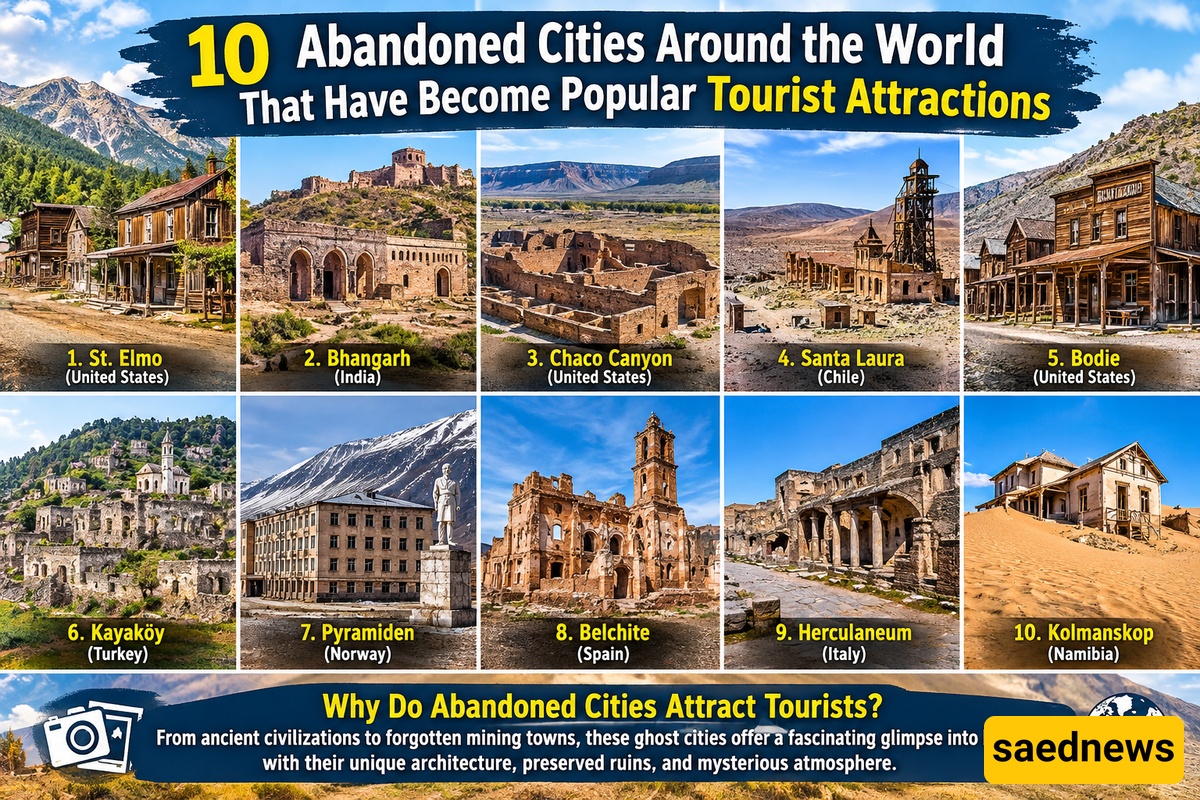
According to Saednews, Did you know that there are cities around the world that, despite being deserted by their residents and turned into ghost towns, continue to attract tourists from across the globe?
Although these cities are no longer inhabited, they have welcomed a new kind of visitor in recent years: tourists.
People visit these places for a different purpose—to discover how people lived centuries or even thousands of years ago. Each of these historic sites offers a fascinating glimpse into the past and plays an important role in promoting tourism in its country.
Here are some of the world's most fascinating abandoned cities that have become popular tourist destinations.
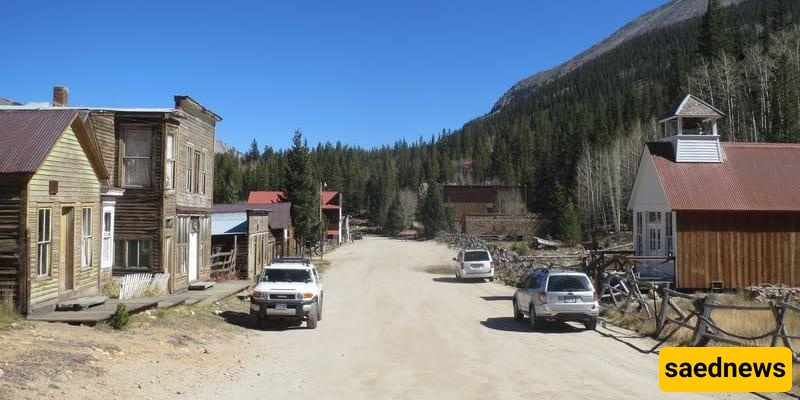
Located in the state of Colorado, St. Elmo was once a thriving mining town. Until 1922, its coal mining industry supported a prosperous community equipped with facilities such as a post office, hospital, hotel, and railway station.
However, when the nearby coal reserves were suddenly depleted in 1922, the town rapidly lost its population and became abandoned. Today, St. Elmo remains remarkably well preserved and is considered one of America's fascinating ghost-town attractions.
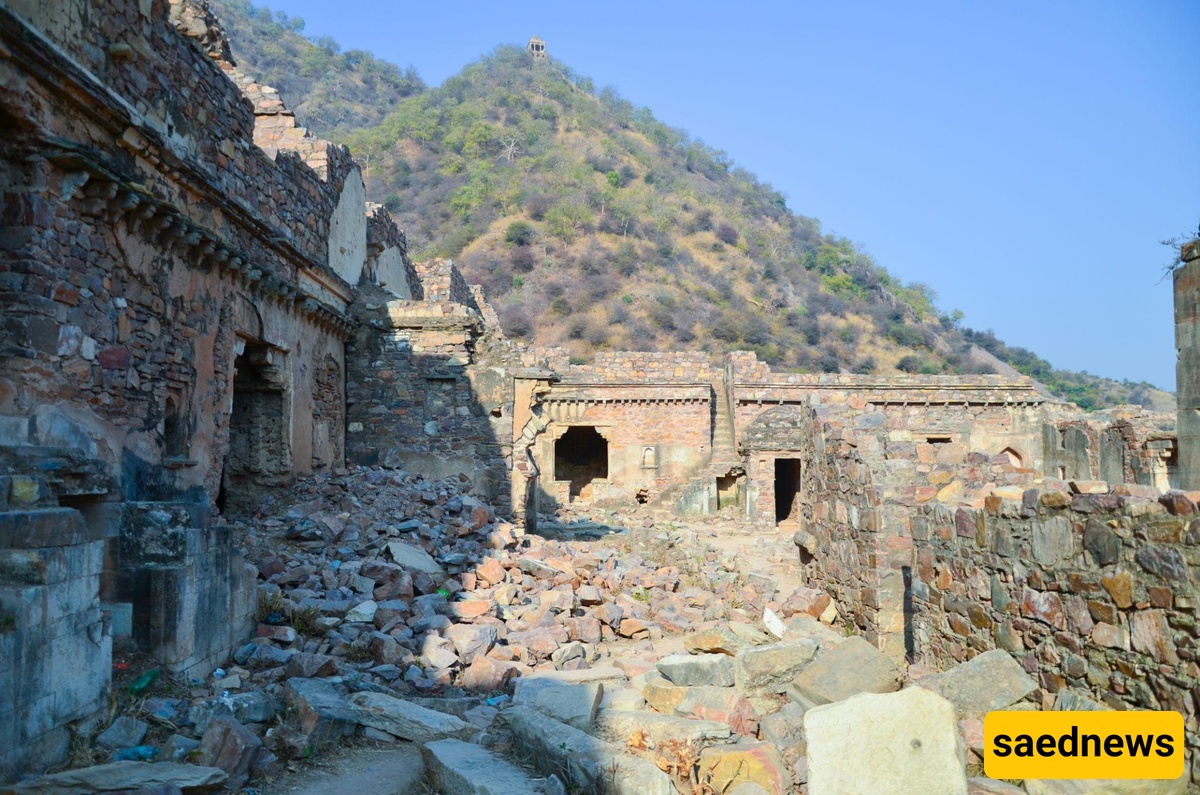
The historic town of Bhangarh, located in Rajasthan in northwestern India, was once home to members of Indian aristocracy until around 1720.
Known for its distinctive architecture, the town features several historical attractions, including temples, a fort, markets, and other ancient structures.
Over the years, several factors, including a significant decline in underground water resources, contributed to its abandonment. Today, Bhangarh is one of India's well-known historical tourist attractions.
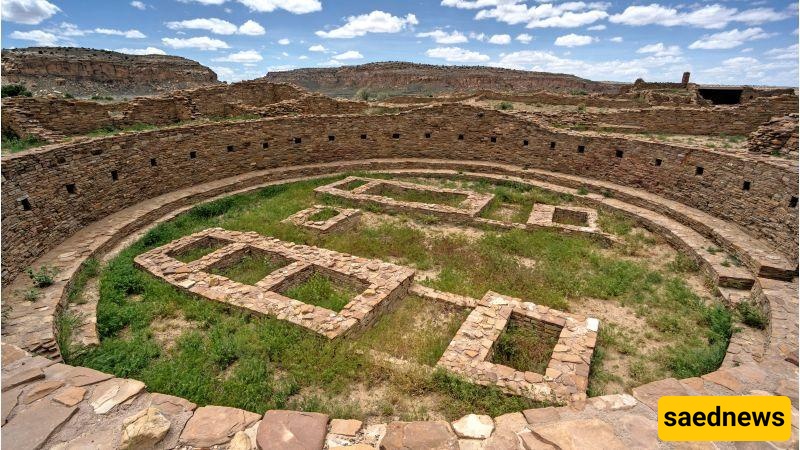
Between 800 and 1100 AD, Chaco Canyon in New Mexico was an important commercial and cultural center in the region.
The area is famous for its distinctive architecture and dozens of historic structures, including ancient residential buildings made of wood and stone.
Around 1100 AD, economic and environmental challenges led to the gradual abandonment of the settlement. Today, thousands of visitors travel to New Mexico to explore its remarkable archaeological remains.
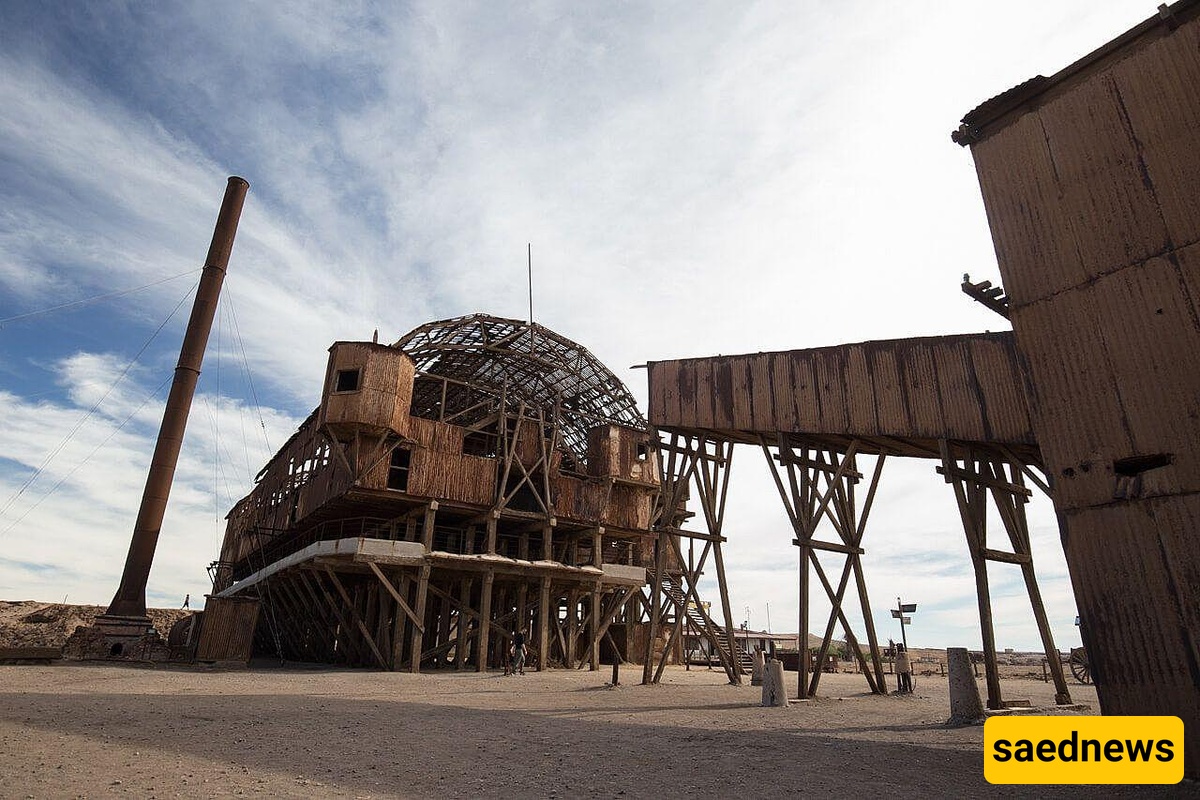
Located in Chile's Atacama Desert, Santa Laura was once a prosperous settlement supported by the saltpeter mining industry.
The town offered various facilities, including hotels and a hospital, serving the workers and their families.
However, declining profits from saltpeter extraction eventually led to its abandonment in 1958.
In recent years, tourism in the Atacama Desert has brought renewed attention to the site. Special desert tours and visits to the historic mining facilities have helped make Santa Laura an interesting destination for visitors exploring Chile's mining heritage.
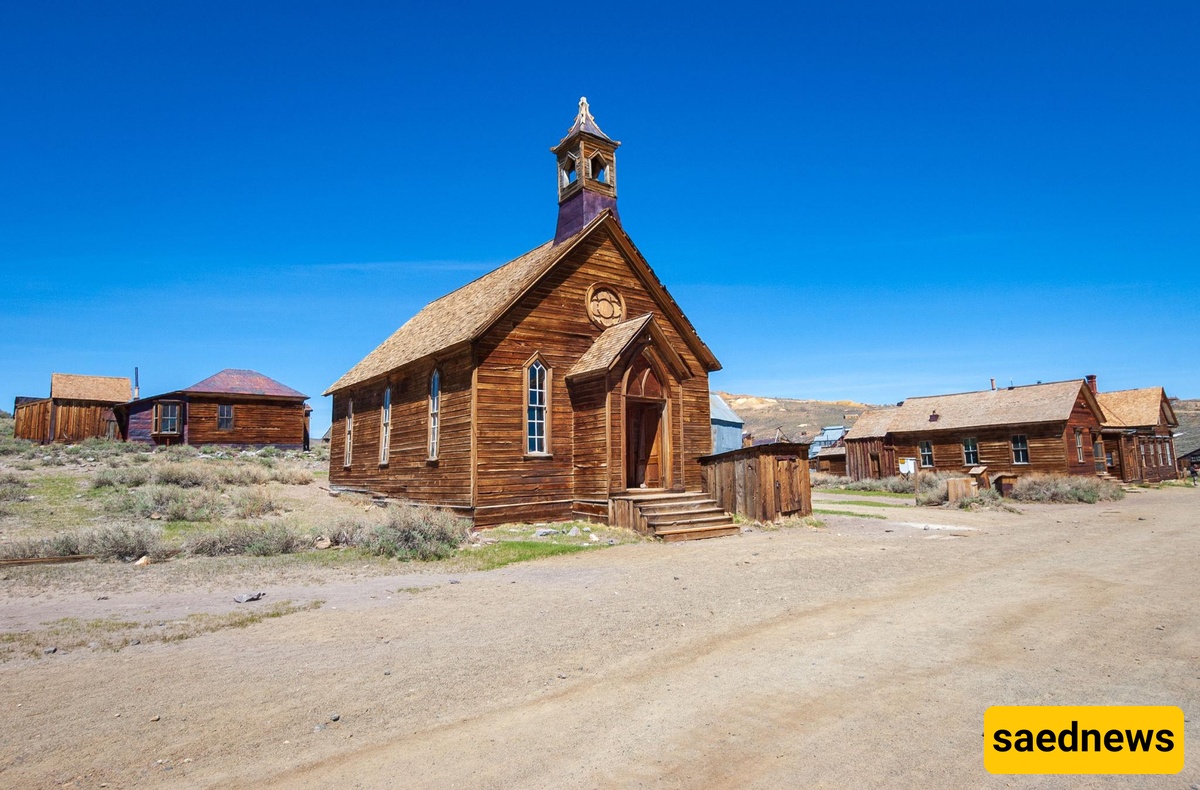
The historic town of Bodie was once a prosperous American gold-mining community. By 1879, it had a population of approximately 8,500 people, thanks to the gold mines operating in the surrounding area.
However, as mining activities declined, the town rapidly lost its residents.
Today, Bodie contains around 150 historic buildings and is preserved as part of California's historic state park system. It has become one of the most famous ghost towns in the United States.
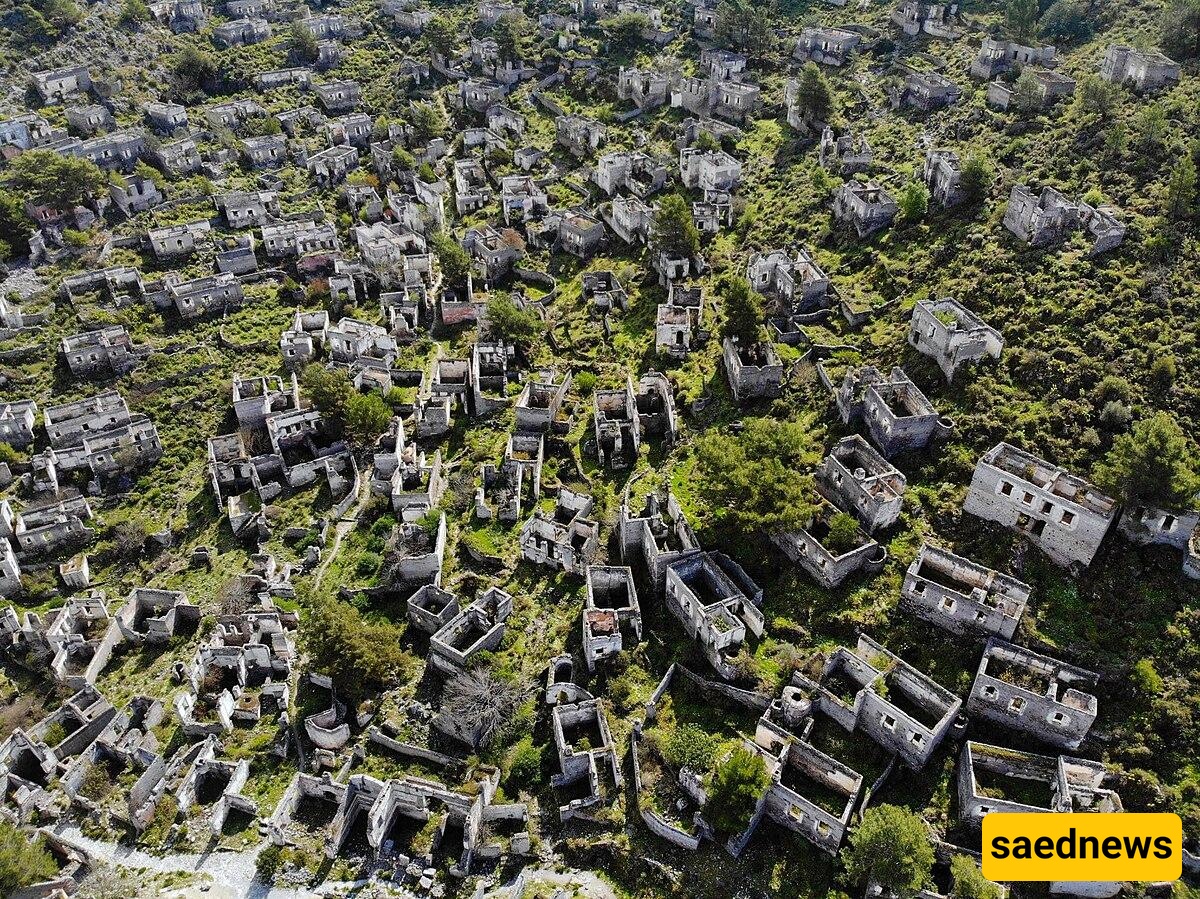
Located in Turkey's Anatolian region, Kayaköy was once a thriving settlement before the population exchanges following the Greco-Turkish War in 1923.
During this period, many residents left the town and moved to other regions. After the war, a significant number of former inhabitants did not return to their homes, leaving Kayaköy largely deserted.
Today, its abandoned houses and historic buildings make it a remarkable destination for tourists interested in history and architecture. Turkey has also explored ways to promote the site internationally and strengthen its tourism potential.
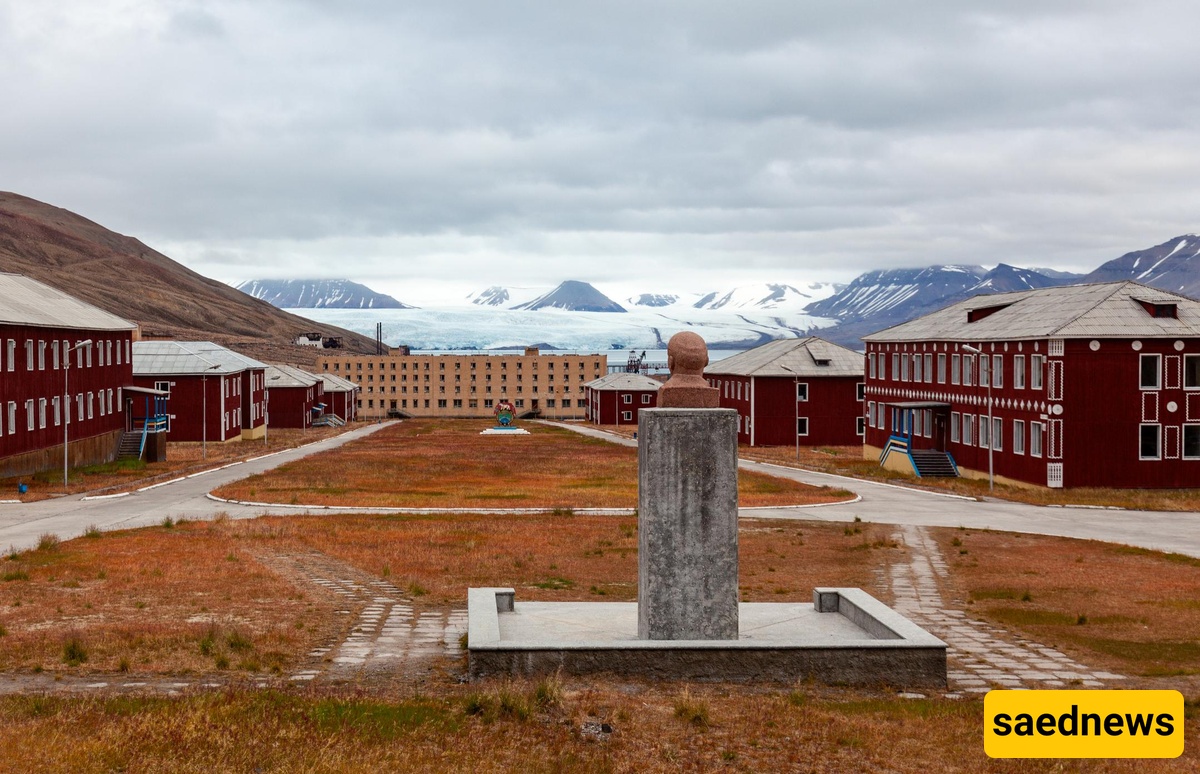
Located in the Svalbard archipelago, Pyramiden served as an important coal-mining settlement under Soviet administration from 1927 until the late twentieth century.
The town once had numerous modern facilities, including an airport, railway, hotels, and sports centers. As a Soviet settlement, it was also decorated with several statues of Vladimir Lenin.
Pyramiden remained active until 1998, when mining operations ended and its residents left. Today, it is one of Norway's most unusual tourist attractions, drawing visitors interested in its preserved Soviet-era atmosphere.
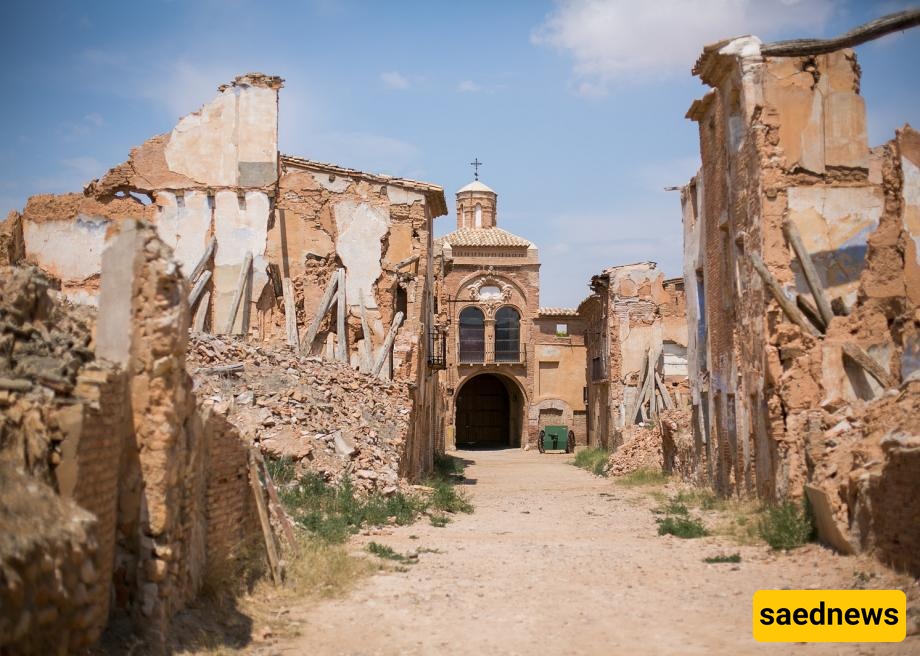
Belchite, once a prosperous town in Spain's Zaragoza region, was heavily damaged during the Spanish Civil War in 1937.
Following its occupation by forces loyal to General Francisco Franco, much of the town was destroyed. Its residents eventually abandoned the settlement, and many never returned.
The ruins have since become an important historical attraction, allowing visitors to explore the remains of a town deeply affected by Spain's turbulent past.
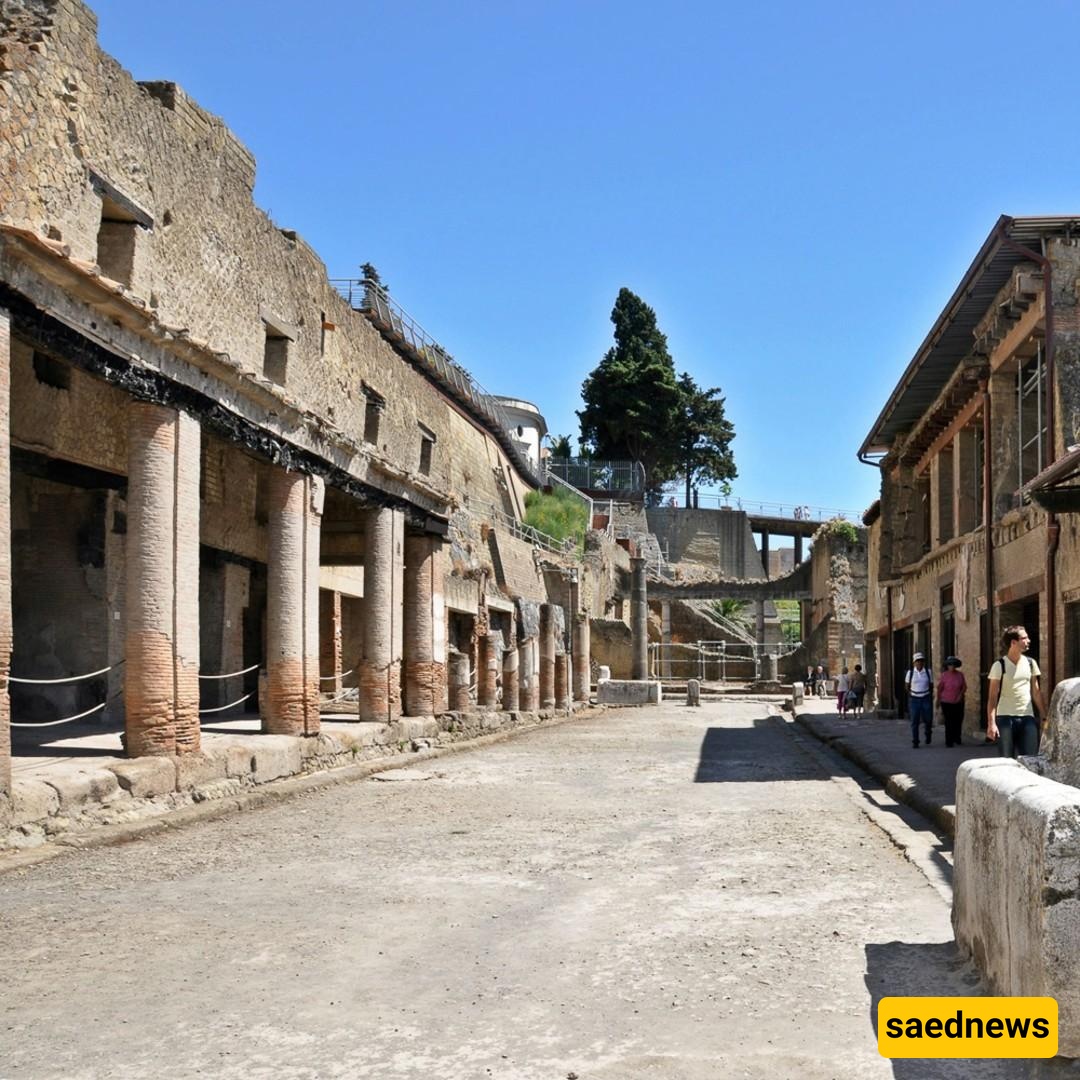
The ancient Roman city of Herculaneum was buried under volcanic material during the eruption of Mount Vesuvius, alongside the nearby city of Pompeii.
Thousands of residents lost their lives, and the settlement remained buried for centuries.
Although Herculaneum was eventually rediscovered and excavated, it was never re-established as a residential city. Today, its remarkably preserved archaeological remains attract visitors from around the world and form part of Italy's extraordinary Roman heritage.
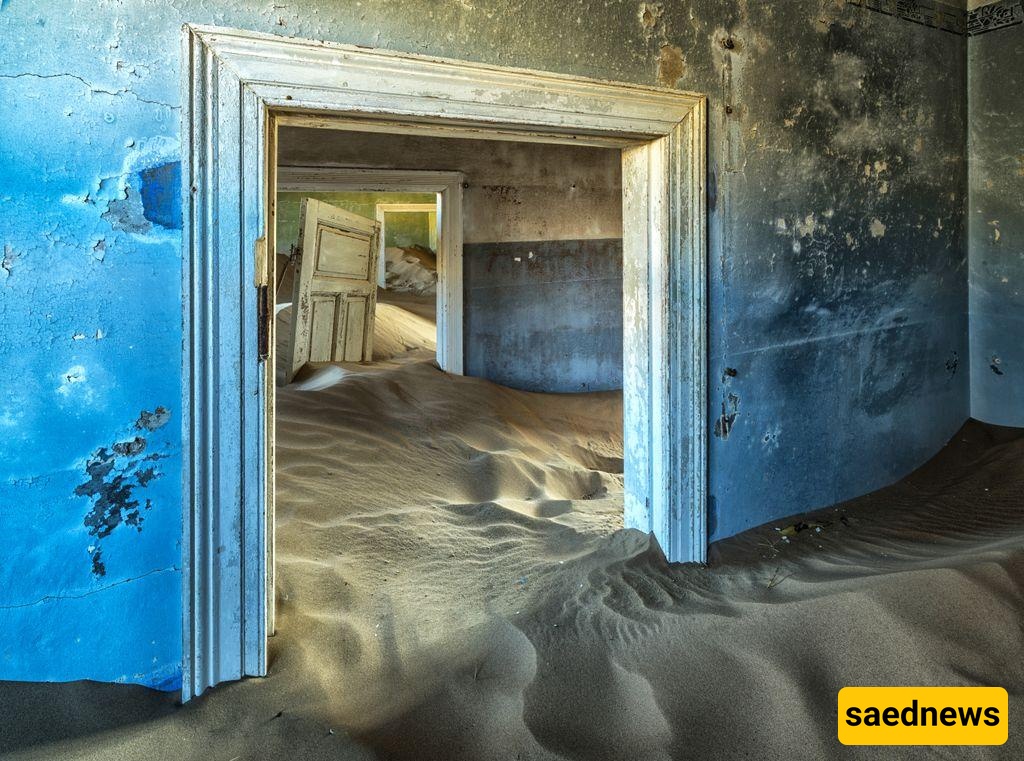
Located in the sandy Namib Desert, Kolmanskop was once one of Africa's most prosperous settlements, thanks to the diamond mining industry.
During the early twentieth century, thousands of people worked in the surrounding diamond fields, helping the town develop into a thriving community.
However, as diamond reserves declined and mining activities moved elsewhere, Kolmanskop was gradually abandoned.
Today, desert sand has reclaimed many of its buildings, creating a spectacular landscape that attracts photographers, history enthusiasts, and tourists from around the world.
Abandoned cities offer something that modern destinations often cannot: a direct connection to history.
From ancient civilizations and forgotten mining communities to settlements abandoned by war or economic decline, these places tell fascinating stories about human life, survival, and change.
Their unusual architecture, preserved ruins, and mysterious atmosphere continue to capture the imagination of travelers, making them some of the world's most intriguing historical destinations.