SAEDNEWS: Mandarins are among the most popular fruits of the cold season. This guide covers practical criteria for choosing sweet, seedless mandarins, tips for identifying low-seed varieties, proper storage methods, and a simple shopping checklist.
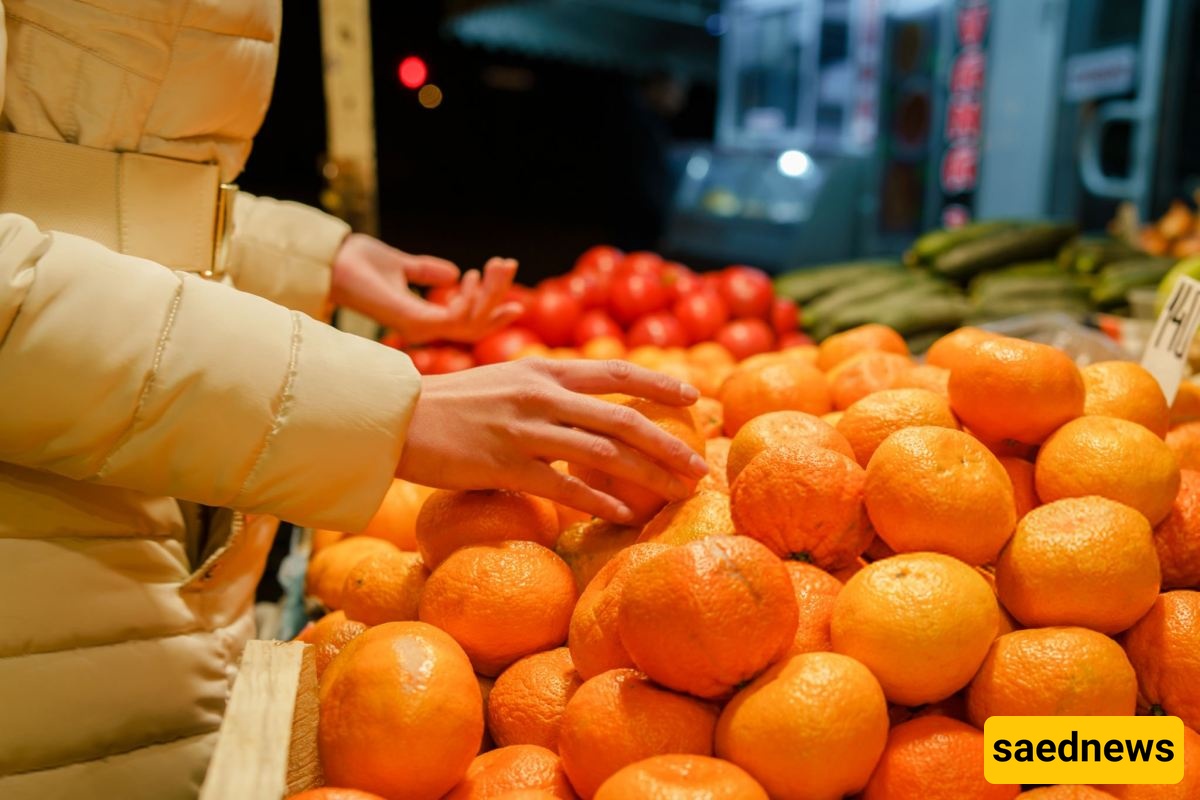
According to Saednews, Before looking at the best ways to choose mandarins, it is important to understand one thing: being seedless and being sweet are two separate characteristics. A mandarin with seeds can be very sweet, while a seedless one may have an average taste. Therefore, you should not assume that every seedless mandarin is automatically sweeter.
Whether a mandarin is seedless usually depends on its variety. Some commercial varieties, such as Clementines and Satsumas, typically contain few or no seeds. However, flowering conditions, pollination, and the climate in which the fruit is grown can also affect the number of seeds. When buying seedless mandarins, do not rely on appearance alone. Ask the seller about the variety, check the product label, and learn about common seedless varieties.
Skin color is one of the first things to consider when choosing sweet mandarins. A ripe mandarin usually has a bright, evenly distributed orange color. However, some varieties naturally have green patches, which do not necessarily mean the fruit is unripe.
If a large portion of the skin is green and dull, the fruit may be unripe and more likely to taste sour.
Avoid mandarins with unusually dark coloring or soft, dark spots. Soft brown patches may indicate decay or physical damage. Also, an excessively shiny skin does not always mean the fruit is fresh, as it may have been commercially waxed. Instead, look for healthy, even, and vibrant skin.
If there is only one simple test for choosing sweet mandarins, smelling the fruit is one of the most reliable options.
A ripe, sweet mandarin usually has a pleasant, natural, and relatively strong citrus aroma. It should smell like freshly peeled mandarin skin, not alcohol, sourness, or soil.
If the fruit has very little aroma, it may be unripe or naturally less fragrant. A fermented or alcoholic smell may indicate that the fruit is overripe and beginning to spoil.
Smell the fruit gently without applying excessive pressure, as this could damage its skin.
One practical way to assess mandarin quality is to compare its weight with its size. A good mandarin usually feels heavier than it looks.
A heavier fruit generally contains more juice and has fresh, juicy flesh. In contrast, a lightweight mandarin may be dry, hollow, or lacking in moisture.
To test this, hold the fruit and compare it with other mandarins of similar size. If a medium-sized fruit feels unusually light, it may have thick skin or dry flesh.
Although a heavier mandarin is not necessarily sweeter, weight is an important indicator of quality.
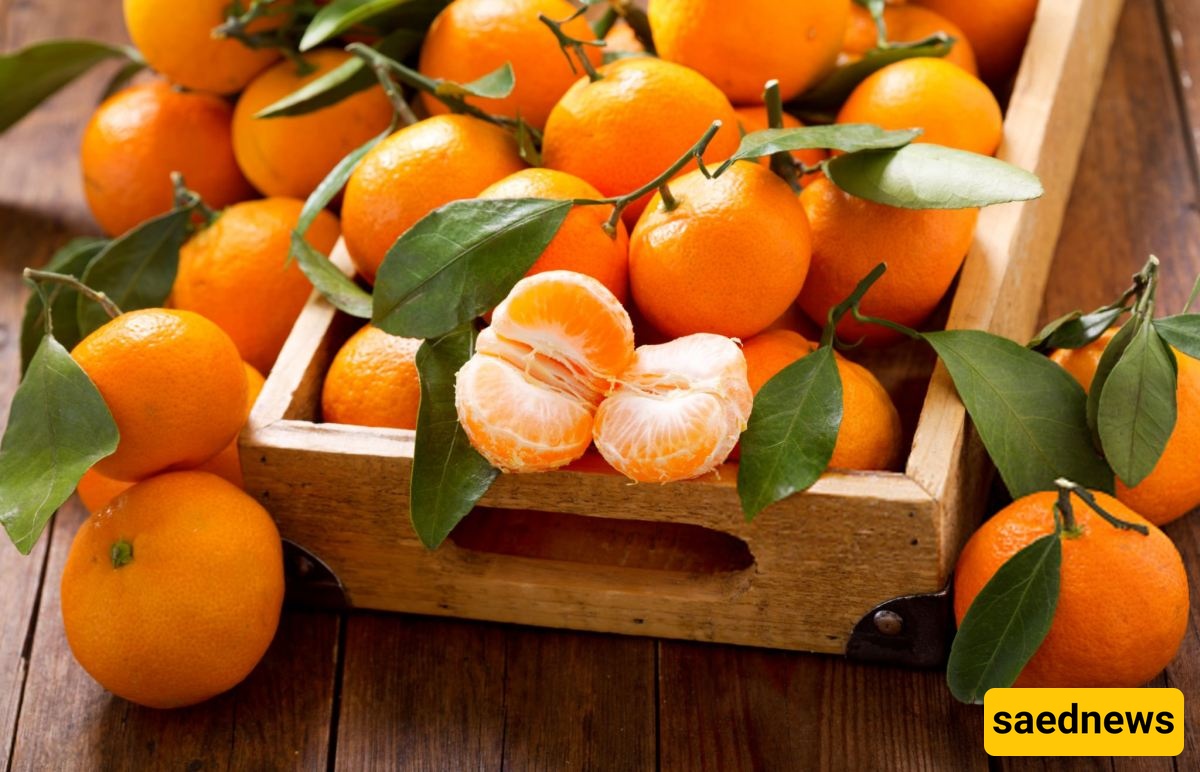
The skin of a good mandarin should have a balanced texture. When you gently squeeze the fruit, the skin should give slightly and return to its original shape.
If the skin feels extremely firm, the fruit may be unripe. If it easily sinks inward and does not bounce back, the mandarin may be overripe or damaged.
Thin skin that fits closely around the flesh is often a sign of good quality. However, this does not apply to every variety. Some easy-peeling mandarins naturally have thicker skin.
Therefore, evaluate skin texture alongside aroma, weight, and color rather than relying on it alone.
If mandarins are sold with stems or leaves, pay attention to their condition.
A fresh green stem indicates that the fruit may have been harvested recently. A dry, brown, or black stem may suggest that the fruit has been stored for a long time.
However, many mandarins are sold without stems, so you may need to rely on other signs of freshness.
The stem attachment point should not be soft, moist, or moldy. Black or gray spots in this area may indicate the beginning of decay. It is also best to avoid fruit with cracks or wounds around the stem.
Medium-sized, symmetrical mandarins often offer good quality. Very large fruits may appear juicy, but sometimes have a milder aroma and less concentrated flavor. Very small fruits may be unripe or less juicy.
However, this is not a universal rule, as fruit size and quality vary by variety.
A good mandarin should have a natural shape without unusual bumps or irregular growth. Hard indentations or unexpected protrusions may indicate damage or abnormal development.
Choose fruit with a healthy, even appearance.
Knowing the mandarin variety is particularly important when looking for seedless fruit.
Some varieties, such as Clementines, can have very few seeds or be completely seedless under suitable growing conditions. However, there is no completely reliable visual sign that can tell you whether a mandarin contains seeds.
Color, size, and shape alone cannot guarantee that the fruit is seedless.
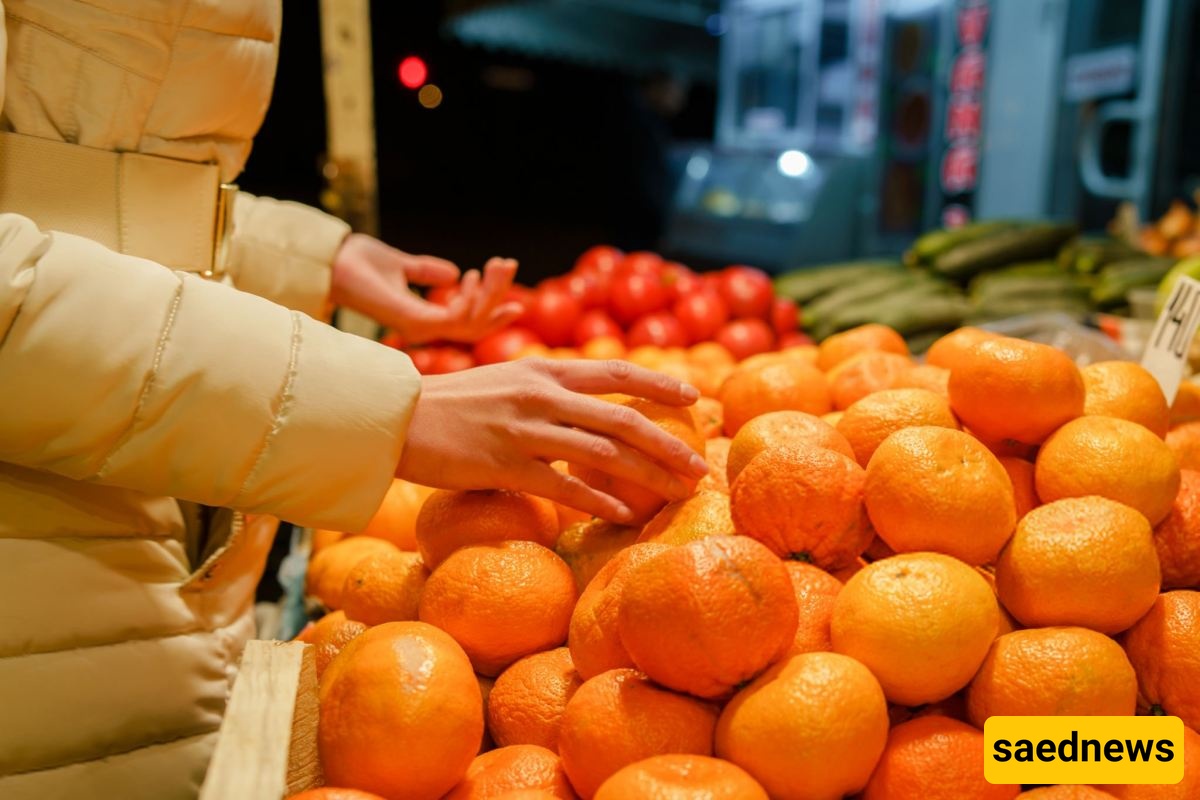
The best approach is to ask the seller about the variety. If you are buying packaged mandarins, check the variety name and growing region on the label.
You can also examine a few sample fruits if possible, although this is not always practical in stores.
Ultimately, combining information about the variety with freshness and quality indicators will help you make a better choice.
Mandarins are seasonal fruits, and they generally taste best during their natural growing season.
Buying them during peak season increases the likelihood of finding naturally ripe and sweet fruit. Out-of-season mandarins may have been stored for extended periods, potentially losing some of their aroma and juiciness.
Pay attention to how the fruit is displayed. Mandarins exposed to direct sunlight, excessive heat, or heavy pressure can lose quality more quickly.
Avoid fruit that looks crushed, sticky, or has an unpleasant smell.
Avoid buying mandarins with cracked skin, soft areas, or water-soaked spots.
Common signs of spoilage include:
Visible mold.
A fermented or unpleasant smell.
Significant discoloration around the stem.
Soft or mushy areas.
Leaking juice or damaged skin.
Even if only a small part of the fruit appears damaged, its overall quality may already be compromised.
Also, pay attention to tiny black spots on the skin. These may indicate pest damage or fungal growth. Healthy mandarins should have clean, dry skin without deep wounds.
Proper storage after purchase helps maintain the flavor and freshness of mandarins.
Keep them in a cool, dry place. Storing mandarins in a sealed, damp plastic bag can trap moisture and encourage mold growth.
It is better to place them in an open basket or a well-ventilated bag.
If you store mandarins in the refrigerator, keep them in the fruit and vegetable drawer and away from strong-smelling foods.
Wash the fruit just before eating it. Avoid washing mandarins before long-term storage, as excess moisture on the skin can shorten their shelf life.
Choose mandarins with a bright, healthy orange color.
Look for a pleasant, natural citrus aroma.
Select fruits that feel heavy for their size.
Make sure the skin is neither too firm nor too soft.
Check that the stem and attachment point are healthy and free of mold.
Choose naturally shaped fruit without visible damage.
Ask the seller about the mandarin variety.
Avoid bruised, cracked, or unpleasant-smelling fruit.
Store mandarins in a cool, well-ventilated place.
Final Tip: The best way to choose sweet, seedless mandarins is to combine several quality indicators rather than relying on just one. Pay particular attention to the fruit's aroma, weight, skin condition, and variety. While appearance can help you identify freshness and ripeness, knowing the variety is your best starting point when looking for seedless mandarins.