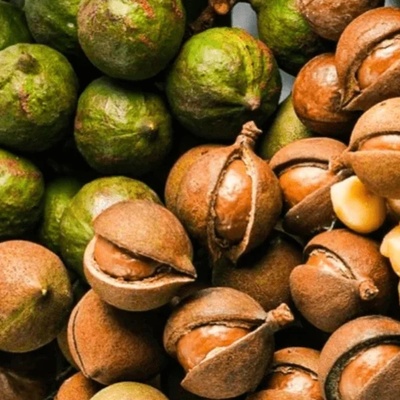
SAEDNEWS: Macadamia nuts are among the world’s most valuable and nutrient-rich edible nuts. However, choosing between raw and roasted macadamias depends on factors such as nutritional value, flavor, texture, storage conditions, and intended use. In this article, we take a scientific look at the advantages and disadvantages of both varieties.
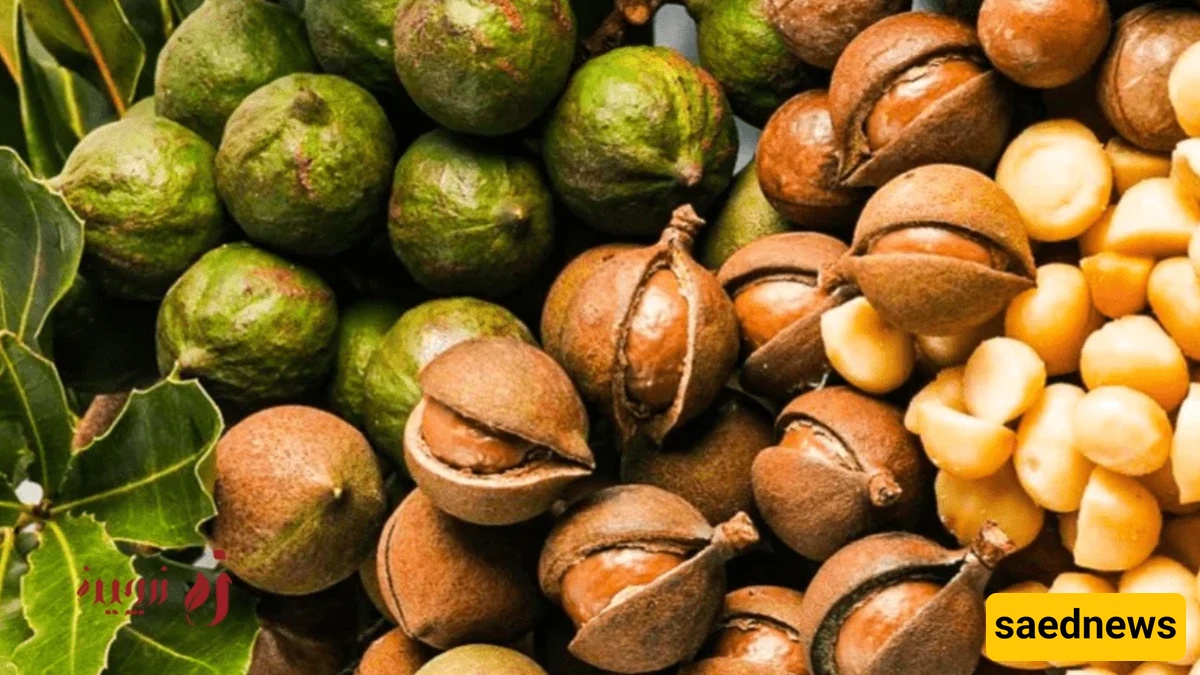
According to Saednews, Macadamia nuts are among the most valuable and nutritious edible nuts in the world. Known for their distinctive flavor, buttery texture, and numerous health benefits, they have become a popular part of many families’ diets. Native to Australia, macadamias are now also cultivated in warm regions such as Hawaii, South Africa, and South America.
A common question among consumers is whether raw or roasted macadamia nuts are the better choice. The answer depends on several factors, including nutritional value, flavor, texture, storage, and intended use. This article takes a closer look at the advantages and disadvantages of both varieties to help you make a more informed choice.
Macadamia nuts come from evergreen trees belonging to the Macadamia genus. Their extremely hard shells make extracting the edible kernels difficult and require specialized equipment. This challenging harvesting and processing process is one of the reasons macadamias are relatively expensive.
Macadamia nuts are rich in healthy monounsaturated fats, protein, fiber, vitamins such as B1 and E, and minerals including magnesium, copper, and manganese. When consumed in moderation, they may support heart health, help reduce inflammation, and promote a feeling of fullness.
Raw macadamias are nuts that are harvested, shelled, and dried before being packaged without direct exposure to high heat. However, commercially available “raw” macadamias are often dried using warm air to reduce their moisture content. The temperature used is generally much lower than that involved in roasting.
Raw macadamias tend to have a lighter color and a somewhat firmer, crunchier texture.
Roasted macadamias are typically heated at temperatures between 120°C and 150°C for a limited period. This process triggers the Maillard reaction, which gives the nuts their golden color, pleasant aroma, and caramel-like flavor.
Many commercial roasted macadamias also contain added salt or oil, which can affect their overall nutritional profile.
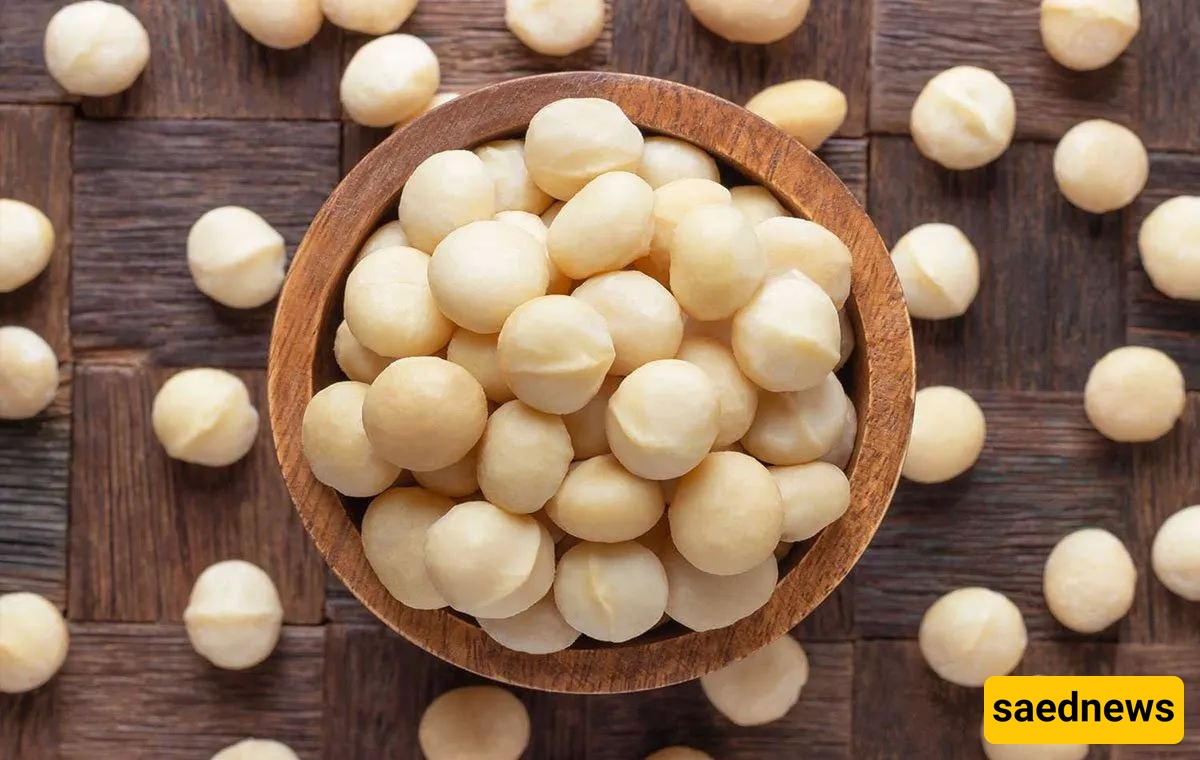
Macadamias contain one of the highest levels of monounsaturated fat among nuts. Much of this fat consists of oleic acid, which is widely associated with cardiovascular health.
Roasting generally does not cause major changes to the fatty-acid composition. However, prolonged exposure to high temperatures can cause a small portion of the fats to oxidize. For this reason, raw macadamias may have a slight nutritional advantage when it comes to preserving their natural fats.
Heat can reduce some heat-sensitive vitamins, including vitamin B1 and, to some extent, vitamin E. On the other hand, roasting generally has little effect on minerals such as magnesium, copper, and manganese.
If your priority is maximizing the intake of heat-sensitive vitamins, raw macadamias may be the preferable option.
Research suggests that roasting can alter the phenolic and antioxidant compounds found in macadamias. In some cases, moderate heating may make certain antioxidants more available, while excessive heat can degrade them.
Therefore, the roasting temperature and duration play an important role in determining how well these compounds are preserved. Raw macadamias naturally retain many of their antioxidant compounds because they are not exposed to roasting temperatures.
The amounts of fiber and protein in raw and roasted macadamias are generally similar, unless oil or other ingredients are added during roasting. Therefore, if your main goal is to obtain protein and fiber from macadamia nuts, there is relatively little difference between the two forms.
One of the main reasons roasted macadamias are so popular is their rich flavor and appealing aroma. Heating causes sugars and amino acids to react, creating a deeper, caramel-like and buttery taste.
Raw macadamias, by comparison, have a milder, naturally sweet, slightly vegetal flavor and a firmer texture.
If you enjoy macadamias as a snack, roasted nuts may provide a more satisfying flavor experience. However, if you plan to use them in desserts, chocolate, ice cream, or nut butter, the milder flavor of raw macadamias can be an advantage.
Both raw and roasted macadamias can contribute to a heart-healthy diet because of their high content of monounsaturated fats. However, salted roasted macadamias may be less suitable for people who need to limit their sodium intake, including some individuals with high blood pressure.
Macadamias are calorie-dense, and eating large quantities of either raw or roasted nuts can contribute to excess calorie intake. At the same time, their combination of healthy fats, fiber, and protein can promote satiety.
When eaten in moderation, macadamias may therefore help control appetite rather than undermine weight-management efforts.
Raw macadamias without added ingredients may be a simpler option for people who are sensitive to added oils or excessive salt. In contrast, heavily roasted macadamias prepared with large amounts of oil or salt may cause digestive discomfort, such as bloating or stomach irritation, in some sensitive individuals.
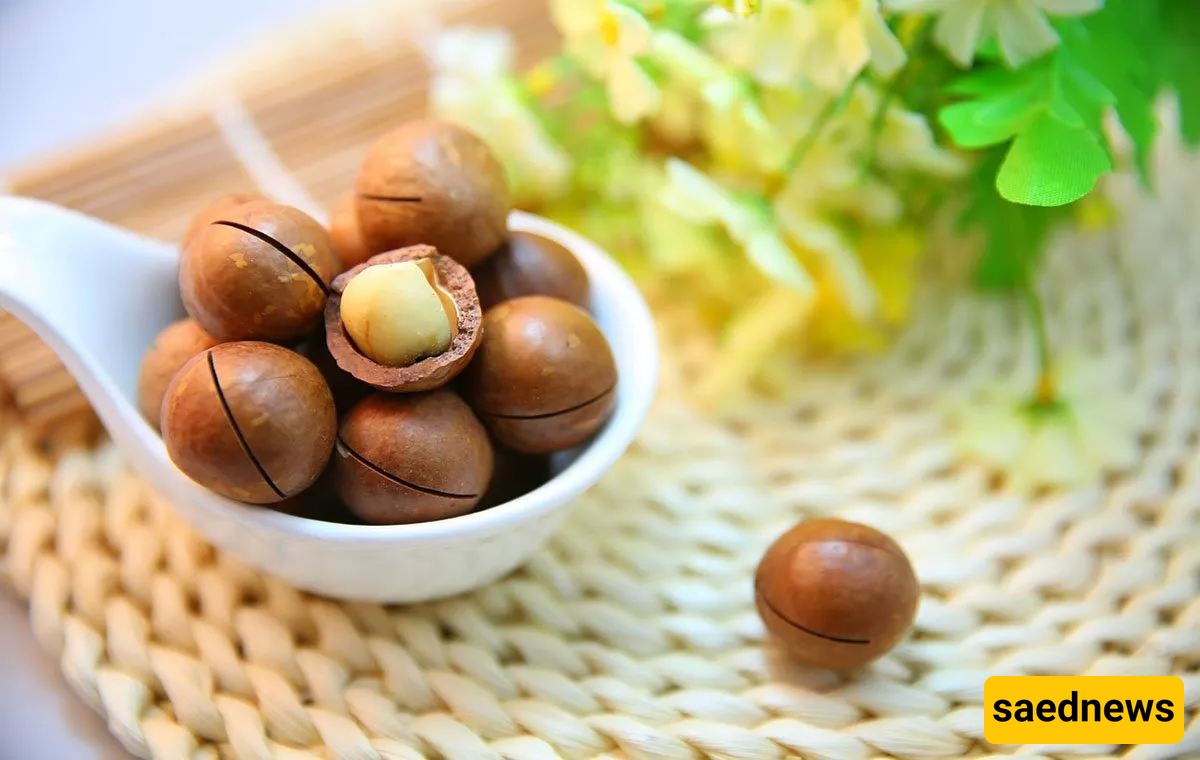
Buying raw macadamias: Make sure the nuts do not have a strong rancid odor or signs of mold. Because raw nuts may retain more moisture, proper storage is especially important.
Buying roasted macadamias: Choose unsalted and oil-free varieties when possible, and check the production date and packaging.
Storage: Keep both raw and roasted macadamias in an airtight container in a cool, dry place. For longer-term storage, freezing is a good option.
Checking freshness: A stale or rancid smell, unusually dark discoloration, or a soft texture can indicate that the fats in the nuts have deteriorated.
Neither option is universally better. Raw macadamias are a good choice if you want to minimize heat exposure and preserve heat-sensitive nutrients, while roasted macadamias are ideal if you prefer a richer flavor, stronger aroma, and crunchier eating experience.
For everyday snacking, choose whichever you enjoy most while paying attention to portion size. If possible, opt for roasted macadamias without added salt or oil. For cooking and baking, raw macadamias can offer greater versatility because of their more neutral flavor.
Ultimately, freshness, portion size, and the quality of the product are just as important as whether the macadamias are raw or roasted.