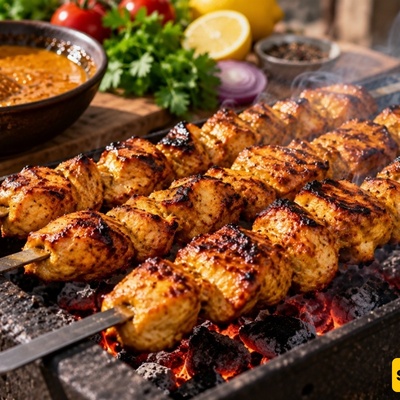
SAEDNEWS: Ash is one of Iran’s most traditional and beloved dishes, holding a special place on classic Persian tables. The right techniques for making ash perfectly set give it a deeper flavor, a smoother texture, and just the right thickness, making every spoonful rich with irresistible aroma and taste.
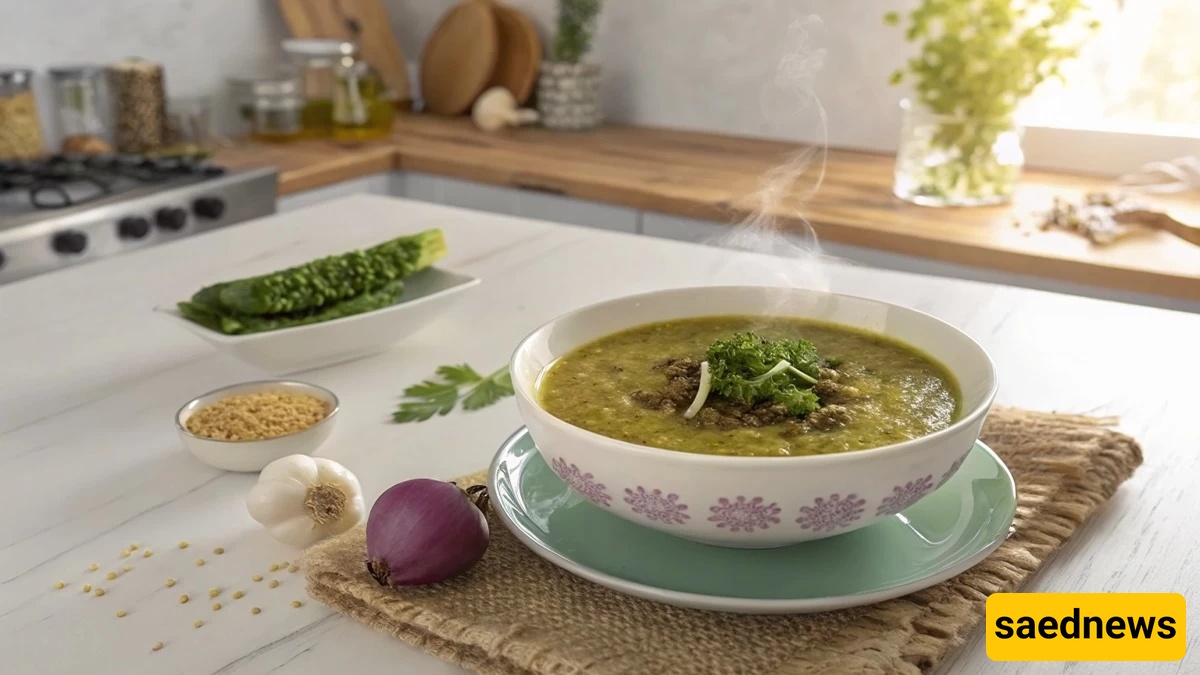
According to Saednews, Many people believe that the only way to make Ash Reshteh reach the perfect consistency is to cook it for a long time. In reality, several factors contribute to the process, from choosing the right ingredients to using proper cooking techniques and natural thickening agents. A well-finished ash should have a deep, rich flavor, a balanced thickness, and a smooth combination of ingredients, making every spoonful satisfying.
Achieving this result is not simply a matter of cooking time. The quality of the ingredients, cooking method, heat level, timing of additions, thickening ingredients, and even the type of pot can all directly affect the final quality of the ash. Here are the key techniques that can help you prepare a flavorful, thick, and well-developed ash.
For a flavorful and well-developed ash, the quality of the ingredients matters greatly. High-quality legumes, fresh herbs, and natural stock can make a noticeable difference in both flavor and consistency.
One of the most important ingredients is the herb mixture. In Ash Reshteh, the herbs usually include leeks, parsley, cilantro, and spinach. Each contributes its own aroma, flavor, and character to the finished dish.
Fresh herbs should be chopped to an appropriate size so they do not become completely mushy during cooking and can retain their aroma. Soaking the legumes beforehand, using meat or bone stock, and adding the right spices at the appropriate stage are also important steps for achieving a rich and cohesive ash.
Proper cooking technique is one of the most important factors in making a well-developed ash. Even excellent ingredients will not produce the desired thickness and flavor without the right cooking method.
The amount of water, heat level, timing of ingredient additions, and regular stirring all influence the final result.
For example, restaurant-style Ash Sholeh Ghalamkar develops a thick and smooth texture because it is cooked slowly for a long time and stirred regularly. Enough water is added from the beginning, allowing the ingredients to gradually break down and combine as they cook.
The same approach can be adapted for other types of ash. Using a suitable pot, maintaining a controlled temperature, and stirring at regular intervals helps prevent the bottom from burning while encouraging the ingredients to release more natural starch and create the desired consistency.
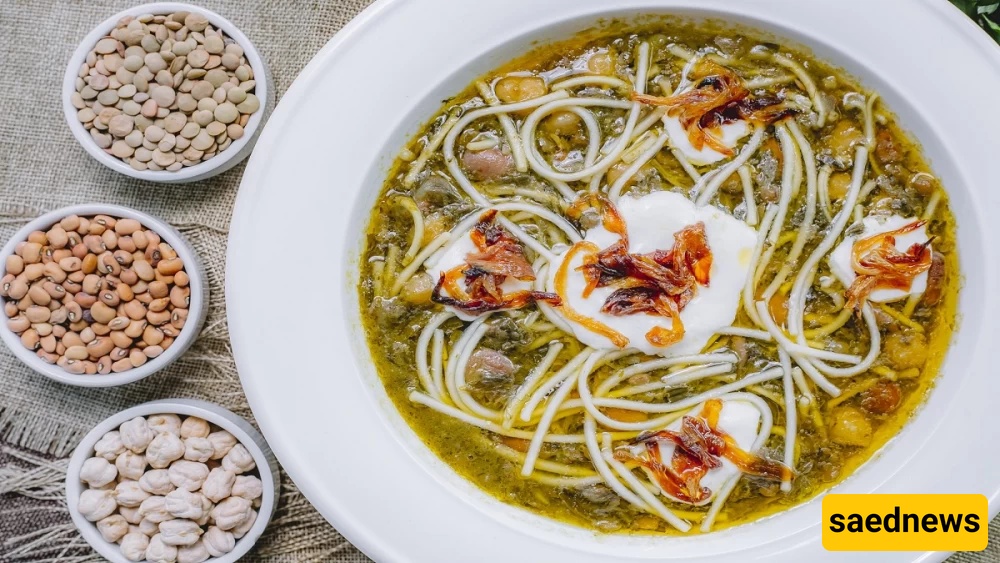
Heat management is another major factor in developing the texture and flavor of ash. Cooking over high heat can cause the water to evaporate too quickly while leaving some ingredients insufficiently cooked.
Low heat and longer cooking, on the other hand, give the ingredients enough time to release their flavors and blend together.
A good approach is to bring the ash to a boil over medium heat first, then reduce the heat and allow it to simmer gently while stirring regularly.
For example, in Shirazi Herb Ash, the legumes are cooked thoroughly before the herb mixture—typically including leeks, cilantro, parsley, and spinach—is added at the appropriate stage. The ash should then simmer gently until it thickens, allowing the herbs to retain their flavor and color without becoming excessively mushy.
A well-made ash should have a pleasant thickness and enough natural starch to give it a smooth, glossy texture. Several techniques can help achieve this.
Use starchy legumes: Ingredients such as lentils and chickpeas release starch as they cook. Cooking them until completely tender allows them to contribute more body and natural thickness to the ash.
Add grains such as bulgur: Wheat bulgur can increase the thickness of the dish. In Ash Sholeh Ghalamkar, for example, bulgur can be slowly cooked with the legumes to release its natural starch and create a smoother texture.
Stir frequently toward the end: Regular stirring helps combine the ingredients while distributing the starch released from the legumes.
Use flour or mashed potato when necessary: These can be used as supplementary thickening agents in some types of ash.
Add the right amount of noodles: The Persian reshteh noodles play an important role in the final consistency. Too many can make the ash overly thick, while too few can leave it watery.
Timing is essential when preparing a well-developed ash. Adding each ingredient at the right stage helps preserve its flavor and texture.
In dishes such as Ash Sholeh Ghalamkar, special attention should be paid to when the legumes, herbs, meat, and grains are added. The legumes should generally be cooked beforehand, while the herbs should be added at the appropriate point so they can retain their aroma and color.
Meat and wheat bulgur may require different cooking times, so adding them according to their individual cooking requirements helps each ingredient become properly tender and allows the flavors to blend.
Ingredients such as kashk and other finishing seasonings are best added toward the final stages of cooking. This helps preserve their flavor while maintaining the desired thickness and overall balance of the ash.
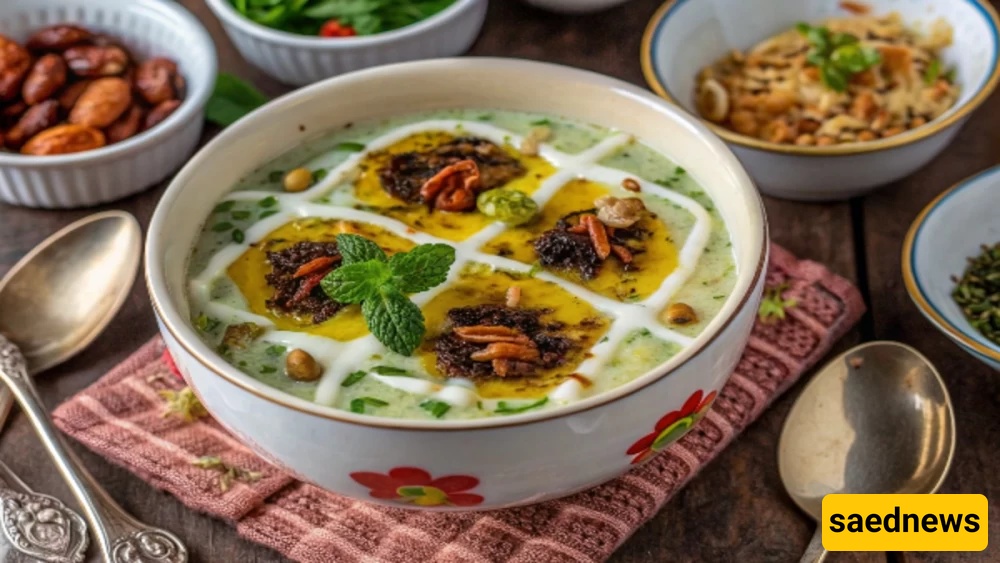
Spices and seasonings play an important role in the flavor and overall character of ash. Using them correctly can make the dish more aromatic, flavorful, and well-balanced.
Timing is particularly important because spices release their aromas differently depending on when they are added.
In Yazdi Wheat Ash, turmeric, cinnamon, and black pepper are among the main seasonings. A small amount of fried garlic is also commonly used to add additional aroma and flavor.
Adding these spices early in the cooking process, together with fried onions and meat, gives the ash more time to develop a deep and integrated flavor.
The type of pot used for cooking can have a significant effect on the final quality of ash. The pot should be large enough to accommodate all the ingredients and should distribute heat evenly.
Stoneware, copper, and cast-iron pots can help maintain consistent heat and promote even cooking. They can also allow the ash to develop its flavors gradually.
For example, when preparing Abadani Herb Ash, a stone pot can help retain heat and provide steady, even cooking, allowing the ingredients to blend gradually and develop a deeper flavor.
A pot with a secure lid can also help prevent excessive evaporation and retain moisture. If you are using a conventional pot, it is especially important to lower the heat and cook the ash slowly for a longer period.
Making a traditional serving of Ash Reshteh or any other type of well-developed ash requires attention to small details. In addition to selecting good-quality ingredients, a few finishing techniques can significantly improve the final result.
If the ash is not thick enough, a small amount of flour or mashed potato can help increase its consistency.
Stirring regularly, particularly toward the end of cooking, prevents the bottom from sticking and helps the ingredients combine evenly.
Add finishing ingredients such as dried mint oil, saffron, and fried garlic toward the end of cooking so their aromas and flavors remain prominent.
In dishes such as Ardabil-style Ash Doogh, adding kashk or doogh toward the end can create a distinctive creamy consistency and tangy flavor.
In dishes such as Pomegranate and Beet Ash, adding the pomegranate and beet at the appropriate stage gives the dish its characteristic color and flavor.
For Barley Ash with lentils, adding the barley and lentils during the earlier stages of cooking gives them enough time to soften, release their starch, and help create a thicker, more cohesive texture.
Ultimately, the secret to a truly satisfying ash is not simply cooking it for a long time. Good ingredients, controlled heat, correct timing, regular stirring, and the right balance of thickening ingredients work together to create the rich flavor and smooth consistency associated with a perfectly finished Persian ash.