SAEDNEWS: Cooking eggs without cracked shells depends on a few small but important details. Egg temperature, water level, heating speed, and gentle handling can all affect whether the shells remain intact during cooking.
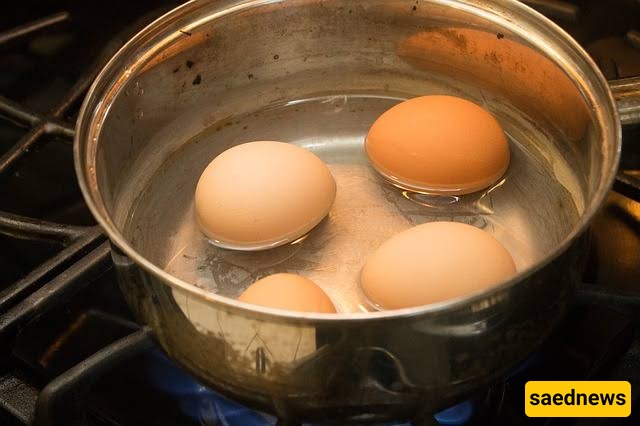
According to SAEDNEWS, keeping eggshells intact while cooking is easier when several simple factors are controlled. Although eggs may appear sturdy, sudden temperature changes and rough handling can create tiny cracks that become larger in boiling water.
Cold eggs placed directly into very hot water can experience a rapid temperature shift. Allowing refrigerated eggs to sit briefly before cooking can reduce this contrast. Starting with moderate heat can also help the shells warm more gradually.
The eggs should be fully covered with water during cooking. Adequate water helps maintain more consistent heat around the shells and prevents parts of the eggs from repeatedly hitting the bottom or surface as the water moves.
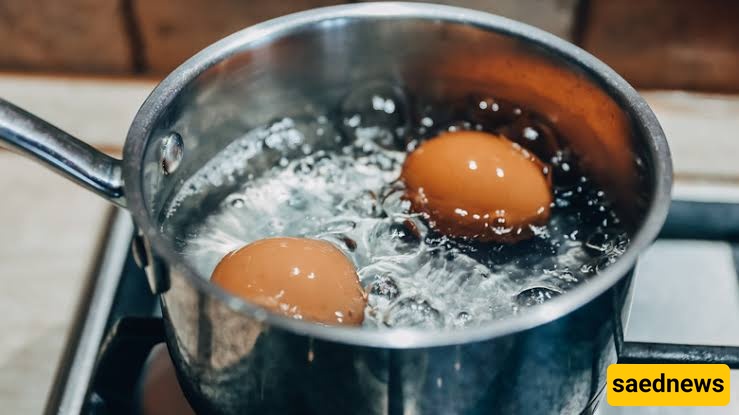
Dropping eggs into a pot can cause them to strike the bottom or each other, leading to cracks before cooking even begins. Using a spoon to lower each egg carefully into the water is a simple way to minimize impact.
Very vigorous boiling can make eggs bounce around inside the pot. A gentle simmer provides a more stable cooking environment and reduces unnecessary movement. Maintaining moderate heat is particularly helpful when cooking several eggs at once.
Cracks can also appear when cooked eggs are transferred from the pot. Removing them gently with a spoon and placing them into cool water without dropping them can help preserve the shells. Small changes in temperature and handling can make a noticeable difference in the final result.