SAEDNEWS: Tomatoes can lose flavor and develop an unpleasant texture when stored incorrectly. Room-temperature storage is generally better for ripe tomatoes, while refrigeration may be useful when longer storage is needed. Understanding when to use each method can help preserve their taste, texture, and freshness.
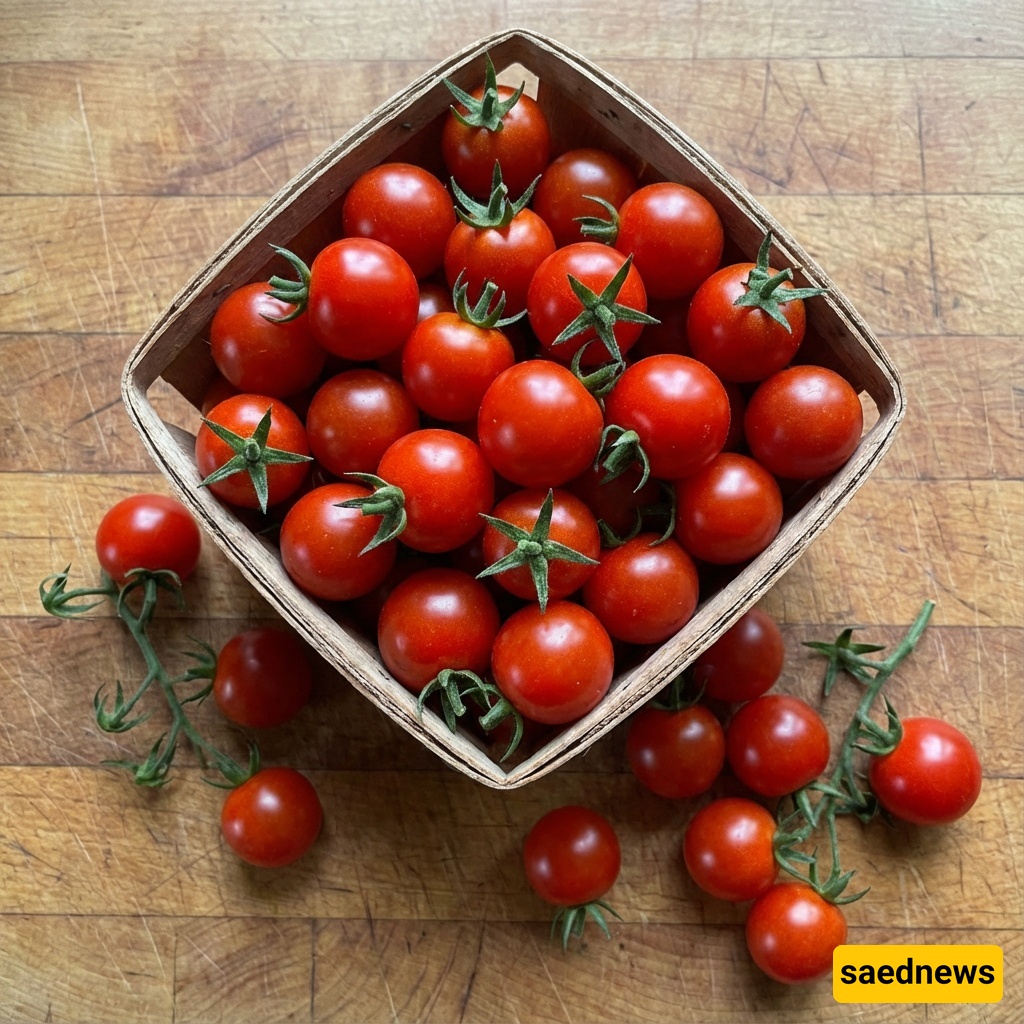
According to SAEDNEWS, choosing between the refrigerator and the kitchen counter depends mainly on the tomato’s ripeness and how quickly it will be eaten.
Whole, ripe tomatoes are generally best kept at room temperature, away from direct sunlight and heat. Cooler refrigerator temperatures can reduce their natural flavor and make their texture softer or less appealing. A dry, well-ventilated area is usually suitable for short-term storage.
When tomatoes are very ripe and cannot be eaten soon, refrigeration can help slow further ripening and spoilage. The cold environment may affect flavor and texture, but it can still be preferable to allowing an overripe tomato to deteriorate at room temperature.
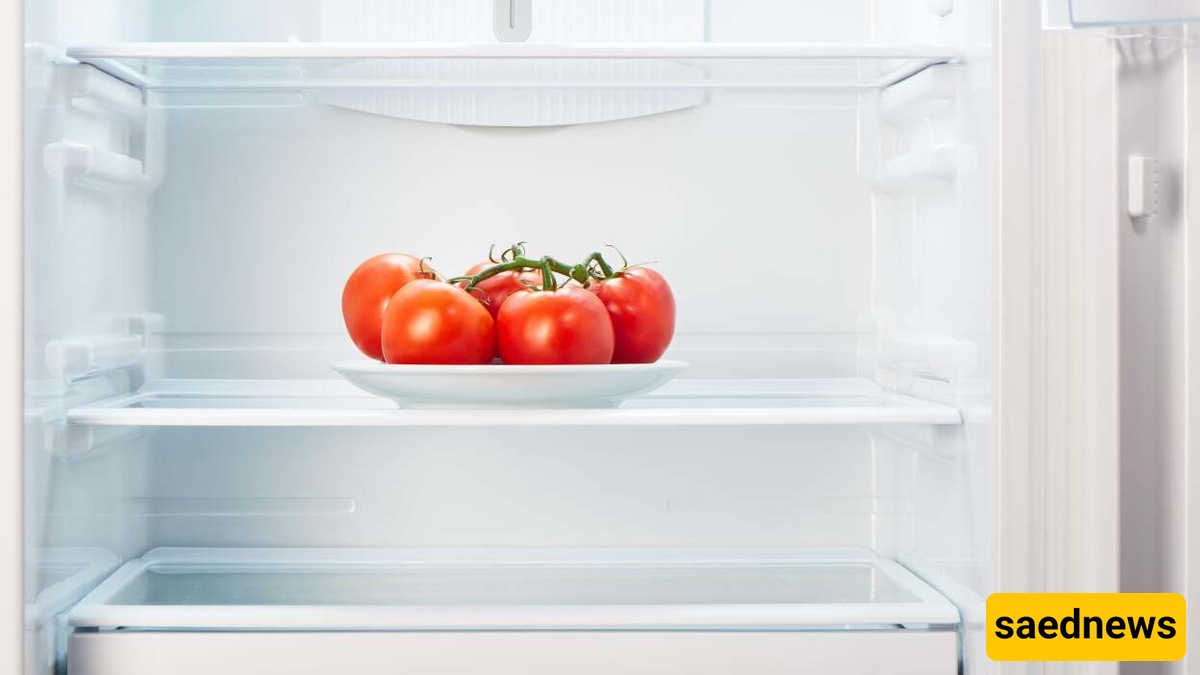
Once a tomato has been cut, it should be placed in a clean, covered container and refrigerated. Keeping cut tomatoes cold helps maintain food safety and slows bacterial growth. They are best consumed within a reasonable period rather than being stored for many days.
Firm tomatoes that still need time to ripen should remain outside the refrigerator. Once they become fully ripe, they can be eaten promptly or moved to the refrigerator if additional time is needed. Checking tomatoes regularly makes it easier to choose the appropriate storage method.
Moisture can encourage deterioration, especially when tomatoes are stored in enclosed conditions. Keeping them dry and handling them gently can reduce bruising and spoilage. For the best balance of flavor and freshness, room-temperature storage is usually the priority for whole tomatoes, while refrigeration is more useful for cut or very ripe ones.