SAEDNEWS: Wooden spoons can absorb natural food pigments, leaving behind yellow, orange, red, or brown discoloration. Simple cleaning methods using common kitchen ingredients can help reduce these stains while protecting the wood and extending the spoon’s useful life.
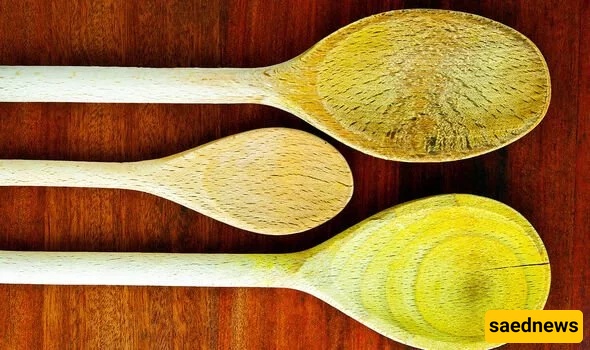
According to SAEDNEWS, the first step is to wash the wooden spoon immediately after cooking. Use warm water and a small amount of mild dish soap, then gently scrub the stained areas with a soft sponge. Avoid soaking the spoon for long periods because excessive moisture can cause the wood to swell or crack.
For deeper discoloration, make a thick paste with baking soda and a small amount of water. Apply it to the stained surface and gently rub with a soft sponge or cloth. Leave it for a few minutes before rinsing thoroughly. Baking soda can help lift pigments without requiring harsh cleaning products.
Lemon juice can also help reduce food-related discoloration. Apply a small amount to the affected area and gently rub the wood. Allow it to sit briefly, then rinse the spoon with clean water and dry it immediately. Sunlight can sometimes help lighten remaining stains when the spoon is placed in a bright, well-ventilated area for a short time.

Aggressive scrubbing can remove the outer surface of the wood and make the spoon more likely to absorb food colors in the future. Steel wool and very abrasive cleaners are therefore best avoided. Gentle cleaning is usually more effective for maintaining the spoon’s smooth texture.
Preventing discoloration is easier than removing it. Wash wooden spoons soon after use, dry them completely, and store them in a dry, well-ventilated place. Occasional conditioning with a food-safe wood oil can also help maintain the wood’s surface and reduce excessive moisture absorption.