SAEDNEWS: Iranian tea is a mild, naturally flavored beverage. Because it contains no added essences or chemical additives, it generally takes longer to brew. In contrast, foreign tea often contains chemical additives that give it a stronger aroma and flavor, allowing it to brew much more quickly.
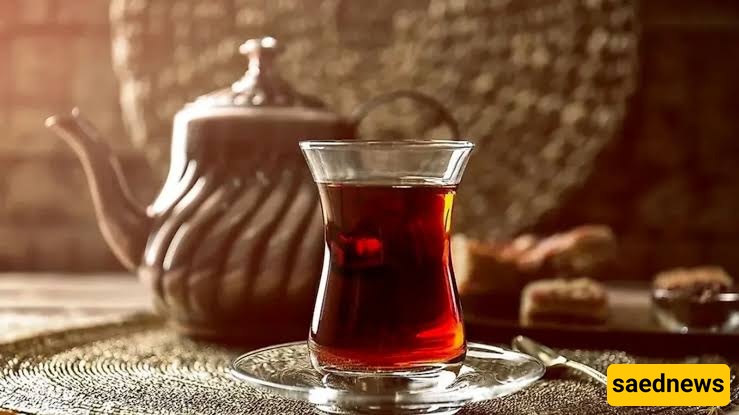
According to Saednews, If you are a tea enthusiast, you probably have a clear understanding of the differences between Iranian and foreign tea. Foreign teas are commonly available in a wide range of flavors, with strong aromas, quick color release, and considerable variety. Iranian tea, on the other hand, is known as a traditional and authentic beverage because of its long local history and natural cultivation. It is distinguished by its flavor, aroma, production methods, color, and other characteristics.
However, you may still wonder: Is Iranian tea better than foreign tea? Below is a brief comparison of the main differences between Iranian and foreign tea.
Comparison Criteria | Iranian Tea | Foreign Tea |
|---|---|---|
Flavor | Mild, astringent, and natural | Stronger and more artificial |
Aroma | Mild, natural, and herbal | Strong, often resulting from industrial flavorings |
Color | Light, natural, and clear | Dark and intense, often associated with added coloring |
Brewing Time | 15–20 minutes | Less than 10 minutes |
Leaf Appearance | Large, healthy, and uniform leaves | A mixture of small and large leaves, often with tea dust |
Additives | Generally free from artificial flavors and chemical additives | May contain artificial flavorings and coloring agents |
Health | Considered suitable for regular consumption | Frequent consumption may be less desirable when additives are present |
Price | Relatively affordable because there are no import costs | Often more expensive because of import and packaging costs |
Production Method | Traditional and natural processing | More industrial processing, sometimes involving additives |
Clarity After Brewing | Clear and transparent | Usually darker and less clear |
Now that we are familiar with Iranian and foreign tea and their general characteristics, it is time to take a closer look at the main differences between them.
One of the most noticeable differences between these two types of tea is their flavor and aroma. Iranian tea generally has a mild, astringent, natural, and pleasant flavor. Traditionally produced Iranian tea does not require artificial flavors or chemical additives during processing.
Foreign tea, by comparison, can have a considerably stronger flavor and aroma, particularly when artificial flavorings or other additives are used.
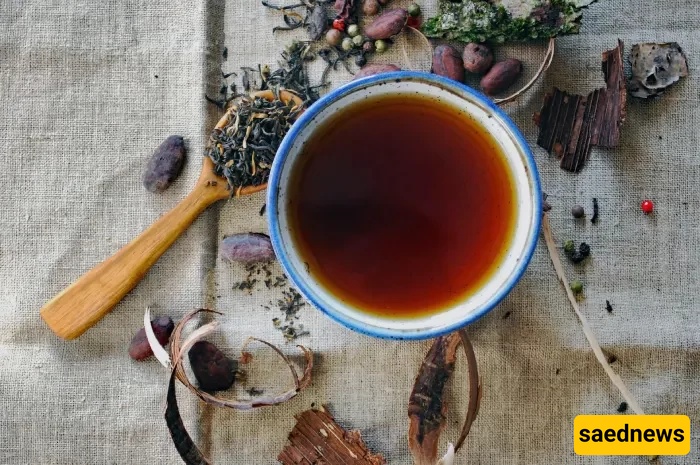
Another important difference is the time required for brewing and the resulting color. Iranian tea usually produces a naturally light and clear color and may require around 15–20 minutes to fully release its flavor and aroma.
Foreign tea generally releases its color more quickly, meaning it can be ready in less time. The exact brewing time, however, depends on the type and grade of tea rather than simply whether the tea is Iranian or foreign.
Iranian tea is traditionally processed, and teas produced without artificial additives are often valued as natural and high-quality beverages. It is commonly consumed as part of a daily tea-drinking routine.
Some foreign teas may contain industrial flavorings or coloring agents, depending on the product and manufacturer. Therefore, it is important to check the ingredients and production information rather than assuming that all foreign tea contains additives or that all Iranian tea is completely additive-free.
The appearance of the tea leaves can also help distinguish different products. Iranian loose-leaf tea may contain relatively large, intact leaves and can have a long and uniform appearance. After brewing, naturally processed tea generally produces a clear-looking infusion.
Foreign teas can contain a mixture of leaf sizes, including smaller pieces and tea dust, particularly in tea bags or lower-grade products. These teas may produce a darker or less transparent infusion.
One of the potential advantages of locally produced Iranian tea is its price. Since it does not need to be imported, transportation and import-related costs can be lower.
Foreign tea may have additional costs associated with international transportation, packaging, distribution, and branding, which can contribute to a higher retail price.
Whether you are preparing Iranian or foreign tea, you can generally follow these steps:
Bring the water to a boil, then allow it to cool slightly to approximately 85–90°C (185–194°F).
Add approximately one teaspoon of dry tea for every two people to the teapot.
Fill the teapot with hot water and allow the tea to steep for approximately 10–15 minutes.
Avoid placing the teapot directly over a strong flame, as excessive heat can make the tea taste bitter and affect its color.
If the tea contains no added flavoring, ingredients such as cardamom, dried rose petals, or cinnamon can be added to create a different aroma and flavor.
The basic brewing method is similar for both types of tea. However, some Iranian loose-leaf teas require a longer steeping period to develop their full flavor and aroma.
Now that you understand the main differences between Iranian and foreign tea, consider the following points when choosing a quality product:
Look at the leaves: High-quality loose-leaf tea generally has relatively uniform leaves without excessive thick stems, dust, or extremely fine particles.
Check the aroma: Good-quality tea usually has a mild, natural, and herbal aroma. An unusually strong or artificial smell may indicate the presence of added flavorings.
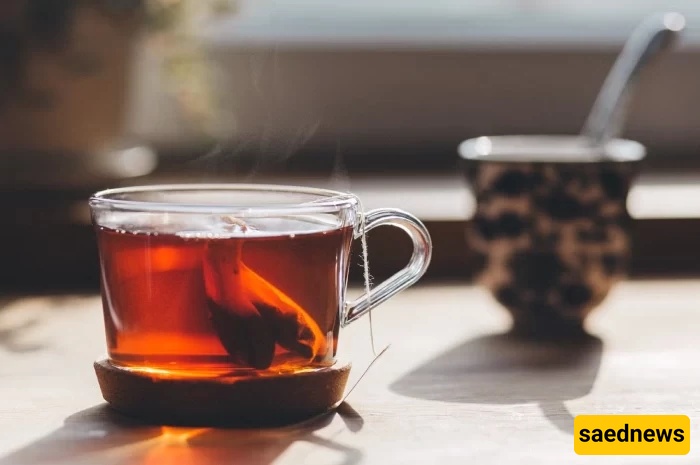
Observe the color: A good tea generally produces a bright and clear infusion. A very dull or cloudy appearance can indicate lower quality or improper storage.
Consider the brewing time: Naturally processed loose-leaf tea often takes longer to develop its full color and flavor. Tea that releases an unusually intense color almost immediately may contain coloring or other additives, although brewing time also depends on the type and processing method.
Check the producer: Tea is produced by many different companies and producers. Choosing a reputable and transparent producer can make it easier to verify the quality, origin, and ingredients of the product.
Check the production date: If you want fresh tea, always check the production or packaging date. Avoid products that have been stored for an excessively long period, particularly if they have not been kept under suitable storage conditions.
Understanding the differences between Iranian and foreign tea can make choosing the right product easier. Iranian tea is generally appreciated for its mild, natural flavor and traditional production methods. Foreign tea offers greater variety and may provide a stronger aroma, darker color, and faster brewing time.
Ultimately, the best choice depends on the tea's quality, ingredients, processing method, freshness, and personal preference rather than simply whether it is Iranian or foreign.