SAEDNEWS: This article explores the importance of balancing motherhood with self-care and offers practical strategies to help mothers achieve a healthier, more fulfilling balance. Join us as we explore how to make time for yourself while embracing motherhood.

According to Saednews, Motherhood is one of the most rewarding yet challenging roles in life. From the earliest days of becoming a mother, many women devote almost all their energy, time, and attention to their children and families, gradually neglecting their own personal needs.
Although this sacrifice comes from love and a strong sense of responsibility, over time it can lead to chronic exhaustion, emotional burnout, and a reduced quality of life. This raises an important question: How can mothers balance caring for their children with taking care of themselves?
Finding a balance between motherhood and self-care does not mean loving your children less or neglecting your responsibilities as a mother.
Rather, it means recognizing that mothers are human beings with physical, psychological, and emotional needs of their own. A mother who takes care of herself has more energy to support her children, greater patience when dealing with everyday challenges, and more emotional stability to create a healthy family environment.
This article explores the different aspects of balancing motherhood and self-care and offers practical strategies to help mothers achieve a healthier and more fulfilling lifestyle.

Maternal mental health is one of the essential foundations of a healthy family. When mothers consistently neglect their own needs, they may become more vulnerable to stress, anxiety, irritability, and feelings of emptiness.
Regular self-care, even through small daily activities, can help reduce emotional pressure and improve overall mood. A calmer mother is often better able to respond to her child's emotional needs.
Maternal burnout occurs when a mother feels emotionally and physically drained, as though she has no energy left to keep going. Common signs include constant fatigue, irritability, feelings of inadequacy, and losing interest in activities that once brought joy.
Balancing motherhood with personal well-being can help protect mothers against burnout. Getting enough rest, eating nutritious meals, maintaining a healthy sleep routine, and making time to recharge can all help prevent emotional exhaustion.
Children learn more from their parents' actions than from their advice. When mothers respect their own needs, they teach their children that self-care is not selfish but an essential part of a healthy lifestyle.
This example helps children develop personal boundaries, self-esteem, and the ability to take care of themselves as they grow older.

One of the biggest obstacles to maternal self-care is guilt. Many mothers feel that they are neglecting their children whenever they take time to rest or pursue personal interests.
This guilt often comes from social expectations and unrealistic beliefs about what it means to be a devoted mother.
Recognizing these beliefs and accepting that mothers need rest and personal time too is the first step toward overcoming guilt.
Perfectionism can turn motherhood into an endless competition. Mothers who try to be flawless in every role often forget their own needs and gradually exhaust their physical and emotional resources.
The truth is that being a good enough mother is far more realistic and beneficial than trying to be a perfect one.
Accepting personal limitations and setting realistic priorities can create more opportunities for self-care.
Many mothers struggle to find enough time for themselves. However, self-care does not always require long periods of free time.
A few minutes of deep breathing, a short walk, drinking enough water, or having a brief conversation with a friend can all contribute to personal well-being.
Time management should not revolve exclusively around household chores and childcare. Even a small amount of time should be reserved for personal rest and recovery.
Society often expects mothers to sacrifice everything for their families. These expectations can gradually erase personal boundaries and make mothers feel that their own happiness and growth are unimportant.
Creating a healthier balance between motherhood and self-care requires redefining motherhood in a way that recognizes a mother's right to personal happiness, independence, and self-development.

Self-care is not limited to massages, vacations, or expensive recreational activities.
Getting enough sleep, eating nutritious food, staying physically active, taking mental breaks, maintaining supportive relationships, and establishing healthy boundaries are all essential forms of self-care.
Think of self-care as a basic necessity rather than a luxury or special reward.
Learn to say no when necessary. Setting boundaries does not mean disrespecting others. It means protecting your energy and preserving your ability to manage important responsibilities.
For example, you can decline additional responsibilities when you are exhausted or ask other family members to share household tasks.
Self-care plans should be simple, specific, and achievable.
Instead of setting an ambitious goal such as exercising for two hours every day, start with something manageable, such as taking a ten-minute walk each day.
Writing down your priorities and setting aside small periods of personal time can gradually turn self-care into a sustainable habit.
Motherhood should not be the mother's responsibility alone. Partners and older children can contribute to household chores, childcare, and everyday family tasks.
Teaching children to become more independent not only reduces the mother's workload but also helps them develop valuable life skills.
No family is perfect, and no mother can do everything flawlessly.
Accepting that some days simply being good enough is an achievement can significantly reduce emotional pressure.
Instead of comparing yourself with other mothers, focus on small improvements and the emotional connection you build with your children.

Self-care does not have to be complicated. A few simple habits can make a meaningful difference in a mother's quality of life.
Maintain a regular sleep routine: Try to establish consistent sleeping hours and take short naps whenever possible.
Eat nutritious meals: Avoid skipping meals and make sure you drink enough water throughout the day.
Stay physically active: Short walks, simple stretching exercises, or light home workouts can help reduce tension.
Practice mindful breathing: A few minutes of deep breathing throughout the day can help calm your nervous system.
Maintain social connections: Talking with friends or family members can reduce feelings of loneliness and isolation.
Make time for enjoyable activities: Include reading, listening to music, gardening, or another personal hobby in your weekly routine.
Balancing motherhood and self-care should not depend entirely on the mother's individual efforts. Partners and other family members also play an important role.
Fairly sharing responsibilities, respecting the mother's personal time, providing emotional support, and avoiding criticism can contribute to a healthier family environment.
When the family recognizes that caring for the mother is an essential part of everyone's well-being, self-care becomes a shared responsibility rather than an individual burden.
One effective way to reduce guilt is to reconsider the beliefs and thoughts associated with self-care.
Instead of thinking, "I am selfish because I am making time for myself," try replacing that thought with:
"My well-being matters, and taking care of myself helps me become a healthier and more emotionally available mother."
You can also turn self-care into a shared family activity, such as going for a family walk or enjoying a short period of relaxation together.
Recognizing that caring for yourself and caring for your family are not conflicting goals can help reduce guilt and create a healthier perspective on motherhood.
A mother's needs change as her children grow, and her self-care routine should evolve accordingly.
During this stage, sleep and proper nutrition should be the mother's main priorities.
Break self-care into small, manageable activities. Try to sleep when your baby sleeps, accept help from family members or trusted caregivers for a few hours, and avoid expecting yourself to return immediately to your previous routine.
At this stage, being good enough is far more important than trying to be perfect.
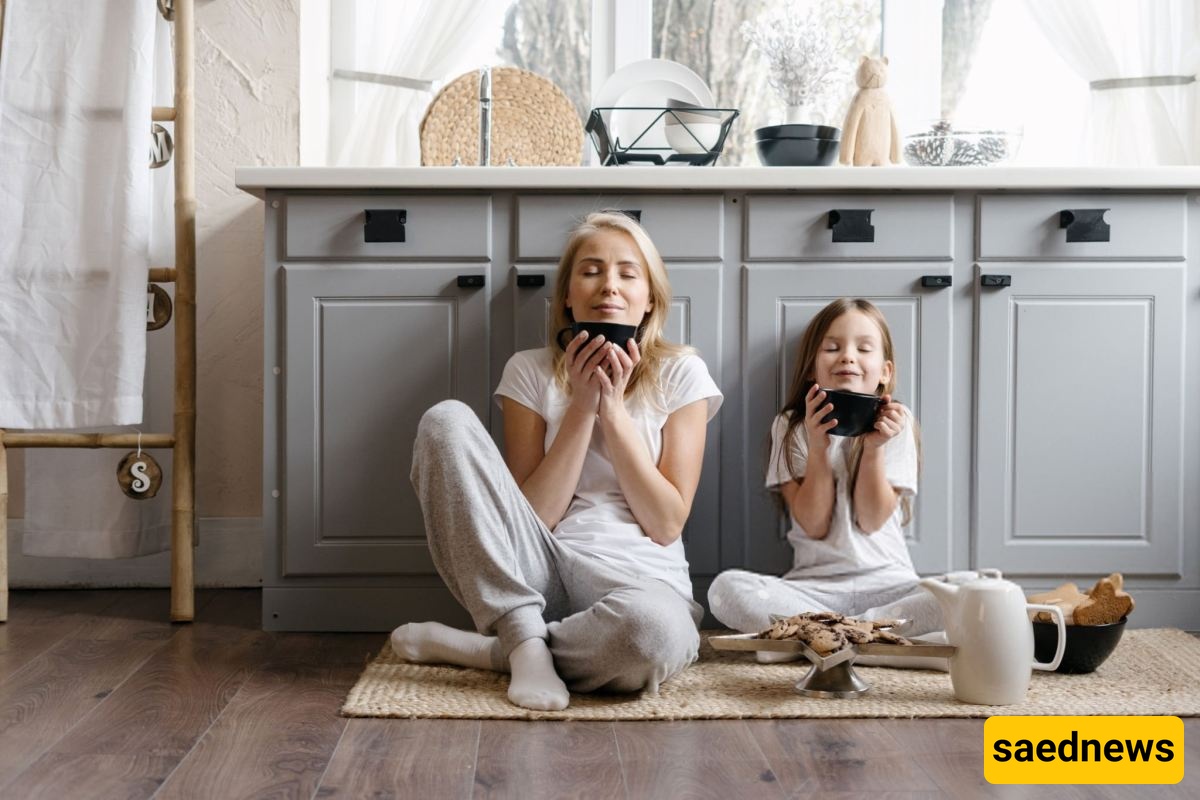
As children become more independent, mothers may gradually find more opportunities for personal time.
You can slowly reintroduce enjoyable activities into your routine and encourage children to participate in simple household tasks.
This approach helps children develop independence while reducing some of the mother's daily responsibilities.
During adolescence, one of the biggest challenges is adjusting to a new parenting approach that allows teenagers greater independence while maintaining appropriate guidance and support.
Mothers who have established personal boundaries and maintained their own interests over the years may find it easier to preserve their sense of identity during this stage.
Reconnecting with personal interests, friendships, and professional goals becomes particularly important.
Motherhood is a meaningful journey, but it should not require mothers to sacrifice their entire identity, happiness, or personal well-being.
Taking care of yourself does not make you a less devoted mother. On the contrary, prioritizing your physical and emotional health can help you become more patient, resilient, and emotionally available to your family.
Remember that your needs matter too. You deserve rest, happiness, personal growth, and time to enjoy the things that make you who you are.
A healthy mother is not one who gives everything until nothing is left for herself. She is one who understands that her well-being is also an essential part of her family's well-being.