SAEDNEWS: Can Ginger Help Improve Lung Health? Understanding Its Anti-Inflammatory Benefits and Whether It Can Cleanse the Lungs or Replace Medical Treatment
According to Saednews, The lungs are exposed to numerous threats every day, including air pollution, cigarette smoke, dust, viral and bacterial infections, and chronic inflammation. As a result, many people seek natural ways to support their respiratory health, and ginger has become one of the most popular options.
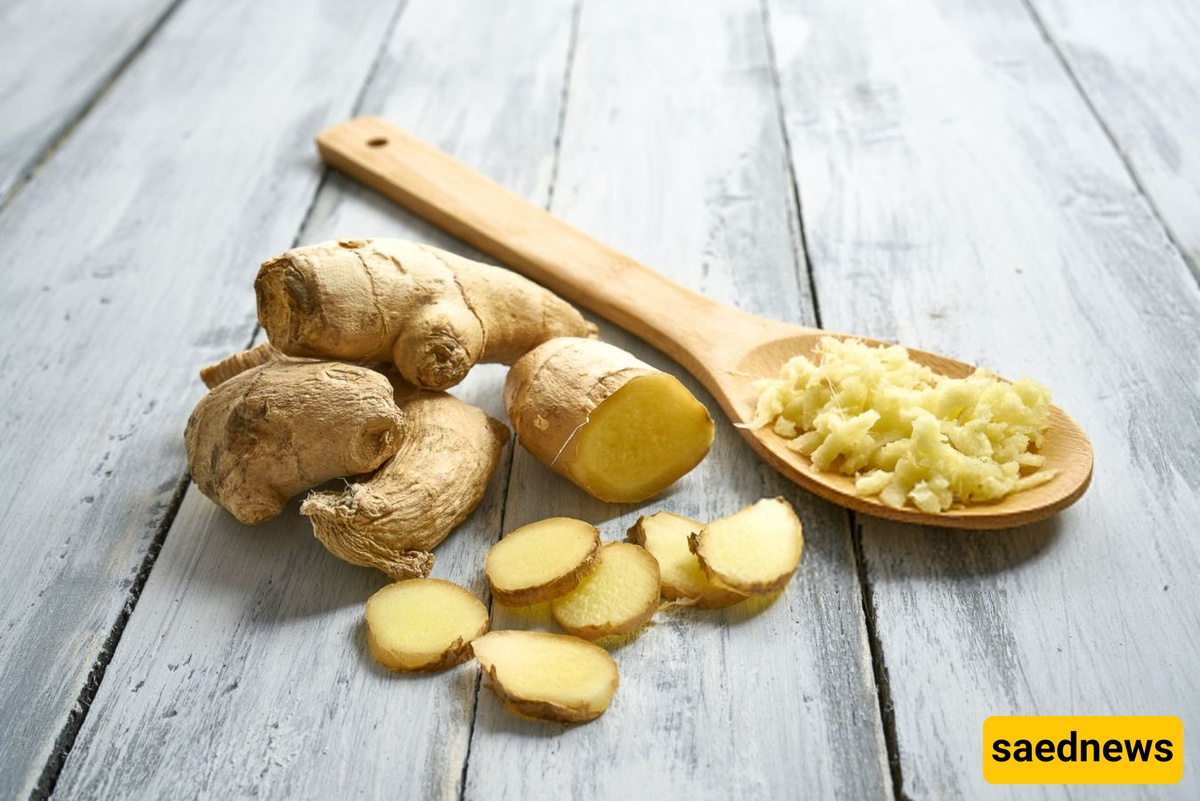
Ginger, scientifically known as Zingiber officinale, is a root that has been used for centuries in traditional Asian medicine to help manage nausea, colds, coughs, and inflammation. But how much scientific evidence supports the benefits of ginger for lung health, and what can we realistically expect from it?
Ginger's biological effects are primarily attributed to its active compounds, known as gingerols and shogaols. Some of the most important include:
6-Gingerol: The main active compound responsible for many of ginger's anti-inflammatory and antioxidant properties.
6-Shogaol: Found in higher concentrations in dried or heated ginger and associated with stronger anti-inflammatory effects.
Zingerone: An aromatic compound with antioxidant properties.
Volatile oils: Including zingiberene, which may have antibacterial and expectorant properties.
Together, these compounds may influence inflammatory pathways in the body. However, it is important to note that most findings come from laboratory and animal studies, while human evidence regarding lung diseases remains limited.
Chronic airway inflammation is a central feature of respiratory conditions such as asthma and chronic obstructive pulmonary disease (COPD).
Laboratory studies suggest that gingerol may reduce the production of inflammatory cytokines, including TNF-α and IL-6, while also inhibiting certain inflammatory pathways.
These findings provide a scientific basis for investigating ginger's potential role in inflammatory lung conditions.
Cigarette smoke and air pollution generate free radicals that can damage lung tissue.
Ginger compounds may help neutralize free radicals and protect lung cells against oxidative stress. These effects have been observed in laboratory studies involving lung epithelial cells.
Some studies suggest that ginger extracts can inhibit respiratory bacteria such as Streptococcus pneumoniae and Haemophilus influenzae.
Limited antiviral activity against certain respiratory viruses has also been reported in laboratory research.
However, these findings do not establish that ginger can prevent or treat respiratory infections in humans.
Some animal studies suggest that ginger compounds may help relax the smooth muscles lining the airways.
This has raised the possibility that ginger could have bronchodilatory effects. However, there is currently insufficient human evidence to confirm this benefit.
Asthma is a chronic inflammatory disease affecting the airways.
Some small studies suggest that taking ginger supplements alongside standard asthma medications may improve certain inflammatory markers.
Nevertheless, several important points should be considered:
Ginger is not a substitute for asthma medication. Inhaled corticosteroids and bronchodilators remain essential components of asthma management.
Current evidence is insufficient to recommend ginger as an established complementary treatment for asthma.
People with asthma should consult their healthcare provider before taking herbal supplements because of possible medication interactions.
COPD is associated with chronic inflammation and oxidative damage to lung tissue, particularly among people who smoke.
Because ginger has antioxidant and anti-inflammatory properties, researchers have investigated whether it might help reduce lung damage.
Some animal studies involving COPD models suggest that ginger may reduce oxidative stress and inflammation.
Important: There is currently no strong clinical evidence that ginger can cure or reverse COPD.
The most important steps in managing COPD remain smoking cessation and following prescribed medical treatment.
This is one area where ginger has gained considerable popularity through traditional use and anecdotal experience.
Potential benefits include:
Possible expectorant effects: Ginger's volatile oils may help loosen mucus and make it easier to clear.
Sore throat relief: Warm ginger tea with honey is traditionally used to soothe throat irritation.
Warming sensation: Ginger may provide temporary comfort during a cold.
Laboratory research suggests that certain ginger compounds may inhibit the growth of some viruses associated with respiratory infections. However, these findings have not established clinical effectiveness in humans.
Nevertheless, ginger tea may be a reasonable, low-risk supportive option for soothing a cough or sore throat, alongside appropriate medical care.
Several laboratory studies have investigated the antibacterial and antiviral properties of ginger. Some research also suggests that regular ginger consumption may support certain immune responses.
However, there is no reliable evidence that ginger alone can treat pneumonia or bacterial bronchitis.
Respiratory infections may require medical evaluation and, when prescribed, appropriate antibiotic treatment.
One common misconception circulating online is that ginger can "cleanse the lungs" or remove toxins from respiratory tissue.
There is no scientific evidence supporting this claim.
The lungs already have natural cleaning mechanisms, including:
Respiratory cilia: Tiny hair-like structures that help move mucus and trapped particles out of the airways.
Alveolar macrophages: Immune cells that help remove harmful particles and microorganisms from the lungs.
Ginger cannot remove tar from the lungs caused by cigarette smoking or completely regenerate damaged lung tissue.
A more realistic conclusion is that ginger may support lung health through its potential anti-inflammatory and antioxidant effects, but it cannot replace smoking cessation, prescribed medication, or pulmonary rehabilitation.
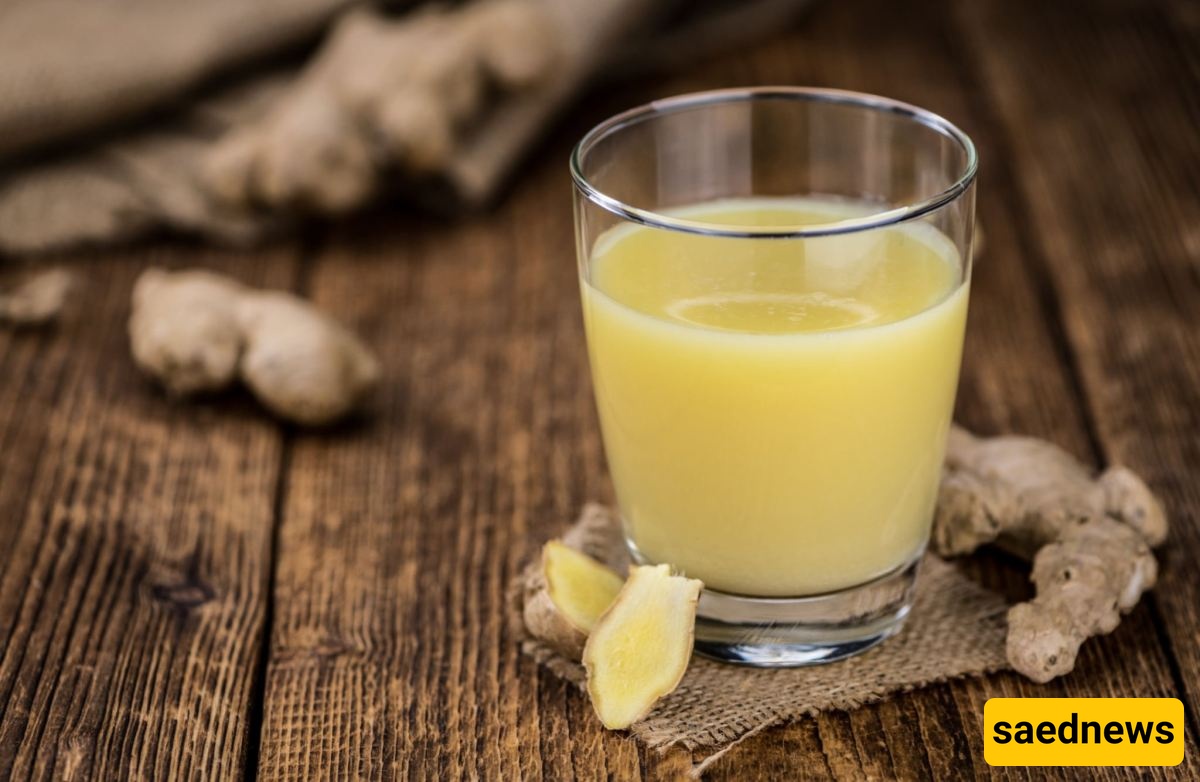
Add 2–3 thin slices of fresh ginger to a cup of boiling water and let it steep for approximately 10 minutes.
Adding honey and lemon may make the drink more soothing.
Mix one teaspoon of fresh ginger juice with one teaspoon of honey.
This traditional combination may help soothe a dry cough and an irritated throat.
Dosages commonly used in clinical research have generally ranged from 500 mg to 2 grams of ginger powder daily.
Supplement use should be discussed with a healthcare professional, particularly for people with existing medical conditions or those taking medication.
Adding fresh ginger to everyday meals, soups, and stews is one of the simplest ways to incorporate it into a balanced diet.
Ginger is generally considered safe when consumed in typical dietary amounts. However, several precautions are important:
Excessive consumption may cause heartburn, nausea, or diarrhea.
High doses may affect blood clotting. People taking anticoagulants such as warfarin should consult their healthcare provider.
Gallstone patients should exercise caution when consuming ginger supplements.
Pregnancy: Ginger supplementation should be discussed with a healthcare professional.
Before surgery: Ginger supplements may need to be discontinued in advance, depending on medical advice.
Children: Dosages should be appropriate for their age and determined with guidance from a healthcare professional.
Ginger is a valuable medicinal plant containing bioactive compounds with anti-inflammatory, antioxidant, and antimicrobial properties. These effects have been demonstrated primarily in laboratory and animal studies, providing a scientific basis for further research into its potential benefits for respiratory health.
Ginger tea may also be a reasonable, low-risk option for soothing coughs, sore throats, and common cold symptoms.
However, it is important to remain realistic: strong clinical evidence demonstrating that ginger can treat asthma, COPD, or serious respiratory infections is currently lacking.
Ginger cannot replace prescribed medications, smoking cessation, pulmonary rehabilitation, or professional medical care. Claims that ginger can completely detoxify or cleanse the lungs are not scientifically supported.
The best approach is to enjoy ginger in moderation as part of a healthy, balanced diet while continuing evidence-based medical treatments.
For people concerned about their lung health, the most effective steps include reducing exposure to cigarette smoke and air pollution, quitting smoking, and maintaining regular medical follow-ups.
Remove leftover ad contentUse a more search-friendly titleTighten repeated evidence caveats