SAEDNEWS: Tea’s soothing effect is a multifaceted phenomenon arising from its chemical compounds, such as L-theanine and caffeine, the warmth of the cup, its aroma, the comfort of a familiar ritual, and its social dimension.

According to Saednews, Tea is one of the few everyday habits that combines deep cultural roots with a scientific explanation. After a stressful day, many of us instinctively reach for the kettle and teapot without really knowing why. It is almost as if the moment the water heats up and the tea leaves begin to unfold in the cup, some of the day's tension starts to fade away. But how much of this feeling of relaxation is real, and how much is the result of habit and psychological expectation?
In this article, we explore why drinking tea can have a calming effect, examining everything from active compounds such as L-theanine and caffeine to the warmth of the cup, its aroma, the comforting ritual of preparation, and the social experience of sharing tea. We also look at when tea may actually interfere with relaxation and how to turn an ordinary cup into a mindful stress-relieving practice.
The calming effect of tea is not caused by a single factor. At least four distinct dimensions contribute to the experience:
Chemical dimension: Bioactive compounds in tea leaves, including L-theanine, caffeine, polyphenols, and aromatic compounds.
Sensory and physiological dimension: The warmth of the liquid, the aroma of the brewed tea, and the gentle movement of bringing the cup to your lips.
Psychological and behavioral dimension: The familiar preparation ritual, which signals to the mind that it is time to slow down.
Social and cultural dimension: Tea as an opportunity for conversation, companionship, and a break from the fast pace of everyday life.
Each of these dimensions contributes to relaxation. Together, they make tea much more than an ordinary beverage.
One of the most notable compounds associated with relaxation in tea is an amino acid called L-theanine, which is found almost exclusively in the leaves of the Camellia sinensis plant.
L-theanine can cross the blood-brain barrier and influence brain activity, including patterns of brain waves.
Some studies suggest that L-theanine consumption is associated with increased alpha-wave activity in the brain. These waves are commonly observed during states of relaxed alertness, gentle concentration, and reduced tension without drowsiness.
This characteristic is one of the important differences between tea and many sedative substances: tea may promote a state of calm alertness rather than mental sluggishness.

Some studies have also reported reductions in physiological stress responses, such as changes in heart rate and stress-related markers under laboratory conditions. However, these findings should not be interpreted as definitive evidence of a therapeutic effect.
An important point is that L-theanine occurs naturally alongside caffeine in tea. This combination contributes to tea's distinctive experience, sometimes described as "relaxed alertness."
Many people assume that caffeine and relaxation are incompatible, but the reality is more complicated.
Caffeine works by blocking adenosine receptors, reducing feelings of sleepiness and increasing alertness. In moderate amounts, it may help prevent sluggishness and support concentration.
However, excessive caffeine consumption, or even moderate amounts in caffeine-sensitive individuals, can cause anxiety, heart palpitations, and insomnia—the very symptoms that interfere with relaxation.
Whether tea has a calming effect therefore depends largely on the type of tea, the amount consumed, and the time of day.
Green and white teas generally contain less caffeine than black tea, although actual caffeine levels vary depending on the leaves and brewing method. Black tea, particularly when steeped for longer periods, may deliver more caffeine.
For people who are sensitive to caffeine, caffeine-free herbal infusions may be a more suitable alternative.
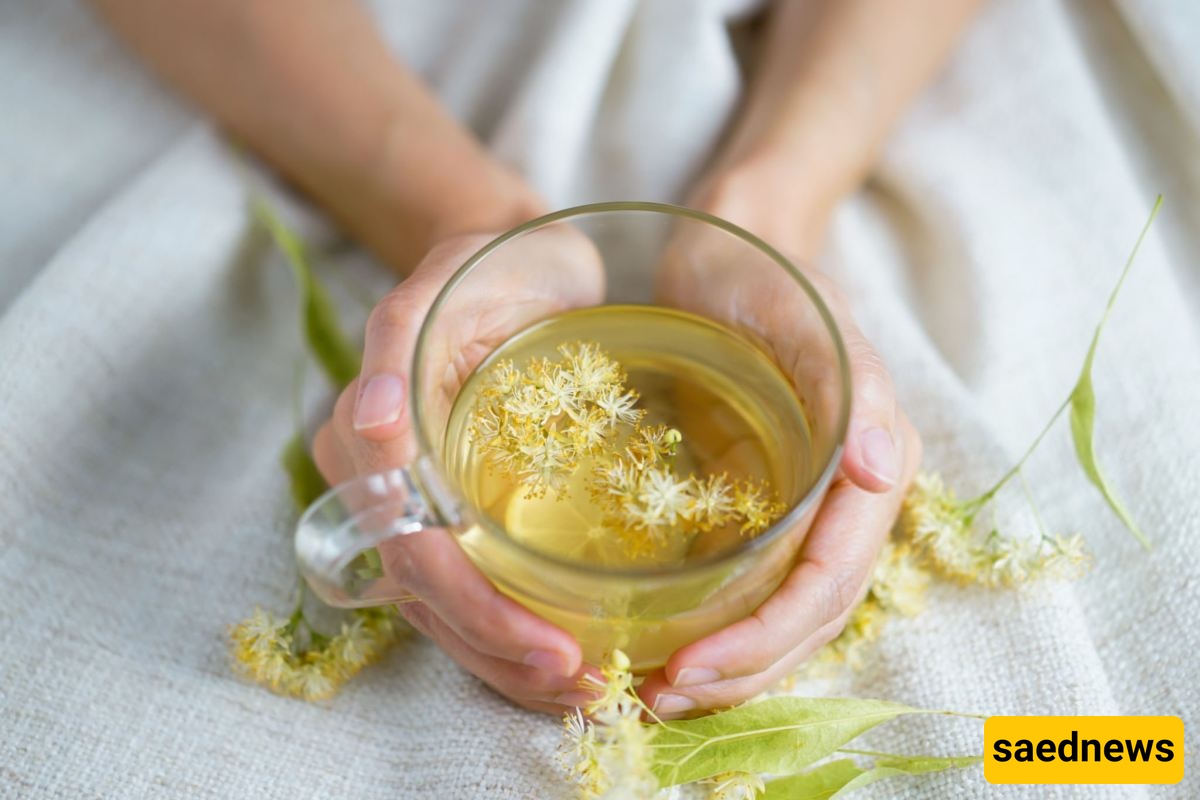
Some of the relaxing experience of drinking tea begins before the first sip. Simply holding a warm cup can create a feeling of comfort, safety, and ease.
Gentle warmth may contribute to a sense of physical and psychological relaxation. Drinking warm liquids can also create a pleasant sensation in the chest for some people, sometimes encouraging slower, deeper breathing.
Furthermore, the brief pause involved in holding the cup and enjoying its aroma naturally interrupts the rapid cycle of thinking and acting. It creates an opportunity to take a deep breath and step away from daily pressures.
These seemingly minor details can collectively make the tea-drinking experience feel remarkably soothing.

The smell of tea is more than a pleasant sensory experience. The olfactory system is closely connected to brain structures involved in memory and emotion, including the limbic system.
For this reason, the aroma of tea can trigger pleasant memories and create feelings of familiarity, comfort, and security.
This effect may be especially noticeable with aromatic herbal infusions such as chamomile, lavender, peppermint, and orange blossom. Their distinctive fragrances are among the reasons they are widely enjoyed as part of relaxing routines.
A simple way to make the most of this experience is to hold the cup near your nose for a few moments before drinking and consciously enjoy its aroma. This small practice transforms tea drinking into a more complete sensory ritual.
Relaxation is often partly influenced by expectation.
When we boil water, prepare the teapot, and reach for our favorite cup at the same time every day, the mind gradually learns to associate this sequence of actions with slowing down.
In psychology, this is known as a ritual: an organized series of behaviors that can create a sense of order, control, and emotional comfort.
Preparing tea also provides a natural opportunity to practice mindfulness. We can pay attention to the sound of boiling water, the color of the infusion, the rising steam, and the taste of each sip.
This kind of attention to the present moment is a well-established approach to reducing rumination and tension.
Put simply, tea gives us a reason to step away from thoughts about the past and future and spend a few minutes fully experiencing the present.
In many cultures, tea is much more than a drink. It is an important part of social interaction.
Offering someone tea can be a way to start a conversation, reduce social distance, and express hospitality.
Sharing tea with others may strengthen feelings of belonging and social support. Social support, in turn, is one of the important protective factors against stress.
In this sense, some of the comfort associated with tea does not come from what is inside the cup, but from the experience of being together.
Different types of tea and herbal infusions offer different experiences:
Green tea: Contains a notable amount of L-theanine and generally less caffeine than black tea. It can be a good choice for relaxed alertness during the day.
White tea: Minimally processed and known for its delicate flavor. It may appeal to people looking for a lighter tea, although its caffeine content varies.
Black tea: Warming and invigorating, making it a suitable choice for mornings. However, drinking it at night may interfere with sleep.
Oolong tea: Offers a balance between the freshness of lighter teas and the richer character of darker varieties.
Chamomile infusion: Naturally caffeine-free, with a mild aroma, and commonly enjoyed as part of an evening relaxation routine.
Lavender and lemon balm infusions: Aromatic herbal options often enjoyed in the evening.
Peppermint infusion: Refreshing and pleasant, particularly after meals, although it may worsen reflux symptoms in some people.
It is worth remembering that the word "tea" is often used in everyday conversation to describe herbal infusions as well. Botanically, however, they are different. True tea comes from Camellia sinensis, whereas herbal infusions are made from other plants. Most herbal infusions are naturally caffeine-free, making them suitable alternatives in the evening.
Although tea is often associated with comfort, certain circumstances can produce the opposite effect:
Drinking caffeinated tea late at night: May delay sleep and reduce sleep quality.
Consuming too much tea when caffeine-sensitive: Can cause heart palpitations, restlessness, or anxiety.
Drinking tea on an empty stomach: May cause heartburn or digestive discomfort in some people.
Steeping tea for too long: Can increase bitterness and may extract more caffeine, depending on the tea and brewing conditions.
Adding excessive sugar: May contribute to fluctuations in blood glucose and subsequent changes in energy levels.
Therefore, tea is not automatically relaxing in every situation. Its effects depend on choosing the right type, amount, and time of consumption.
A few simple adjustments can turn an ordinary cup of tea into a calming daily ritual:
Use fresh water at the appropriate temperature. For green tea, aim for approximately 75–80°C (167–176°F), while black tea is generally brewed with water close to boiling.
Follow the recommended steeping time. Around two to three minutes is usually sufficient for green tea, while black tea typically needs three to five minutes.
Enjoy the aroma before drinking. As you pour the tea, take a moment to notice its fragrance and breathe deeply.
Hold the cup with both hands. Pause for a few seconds and enjoy its gentle warmth.
Drink without screens. Even two minutes of tea drinking without checking your phone can create a noticeably different experience.
Choose caffeine-free herbal infusions in the evening. Replace highly caffeinated tea with an herbal alternative if you want to protect your sleep.
Make tea part of a regular daily routine. If your goal is to reduce stress, connect tea drinking with a consistent time of day so that it becomes a familiar calming ritual.
Is green tea good for reducing stress?
Green tea contains L-theanine and caffeine, a combination that may support relaxed alertness during the day. It can be a suitable option when consumed in moderate amounts, although people sensitive to caffeine should be cautious.
What is the best herbal tea for sleep and nighttime relaxation?
Chamomile, lavender, and lemon balm are among the most popular caffeine-free herbal infusions for the evening. They can be incorporated into a relaxing bedtime routine.
Does black tea have a calming effect?
Black tea contains caffeine and may increase alertness. It is generally better suited to the morning or early afternoon, as drinking it at night may interfere with sleep.
How long should tea be steeped?
Green tea generally requires two to three minutes, while black tea usually needs three to five minutes. Longer steeping can increase bitterness and may increase the amount of caffeine extracted.
The calming effect of tea is the result of several factors working together. Its natural compounds, gentle warmth, pleasant aroma, familiar preparation ritual, and social significance all contribute to the experience.
While tea is not a treatment for anxiety or chronic stress, it can become a simple and enjoyable part of a healthier daily routine.
Sometimes, relaxation does not require a complicated technique or a major lifestyle change. It can begin with something as simple as preparing a warm cup of tea, taking a deep breath, and allowing yourself a few quiet moments away from the demands of everyday life.