SAEDNEWS: Seeing a lizard inside your home can be unpleasant, but there is no need to use pesticides or harmful chemicals. This article explains safe and effective ways to catch and release a lizard outdoors, prevent it from entering your home again, and follow essential safety precautions.
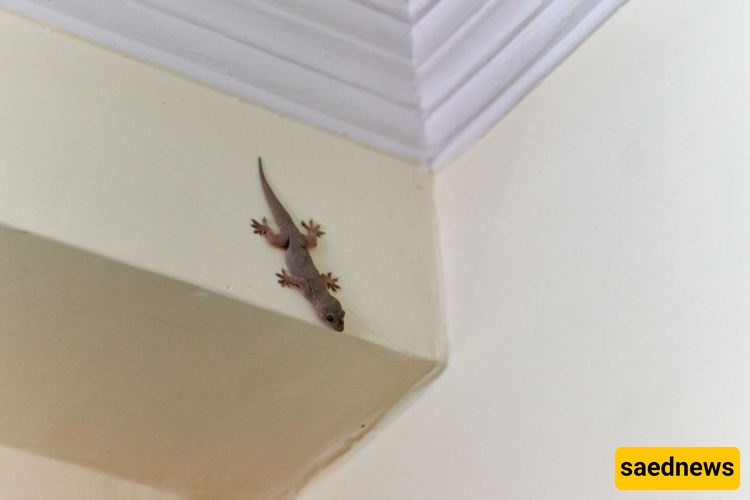
According to Saednews, Lizards usually enter homes through cracks, gaps beneath doors, spaces around pipes, or windows without insect screens. Some also find homes attractive because they provide small insects, shelter, and suitable hiding places.
Simply removing a lizard without sealing the entry points may not prevent it from returning. Therefore, after removing a lizard, check window screens, gaps beneath doors, spaces around pipes, and other openings in the building. Reducing insects and removing unnecessary clutter can also help discourage lizards from entering.
Finding a lizard inside your home can be unpleasant, even though these small creatures are generally harmless and help control insect populations. Lizards naturally prefer warm, humid environments where insects are abundant. Therefore, when lizards start appearing indoors, it often means that your home or its surroundings provide favorable conditions for them.
The most effective way to prevent lizards from entering your home is to block their entry points.
Lizards can squeeze through surprisingly narrow gaps. Therefore, inspect the spaces beneath doors, around windows, cracks in walls, pipe openings, and ventilation ducts.
Consider taking the following precautions:
Install weatherstripping around doors and windows.
Use fine mesh screens on windows and ventilation openings.
Seal wall cracks with caulk or suitable sealant.
Repair damaged or torn window screens.
Make sure air-conditioning vents and exhaust fans have protective mesh covers.
Even small openings can provide an easy entrance for lizards, so sealing these gaps is essential.
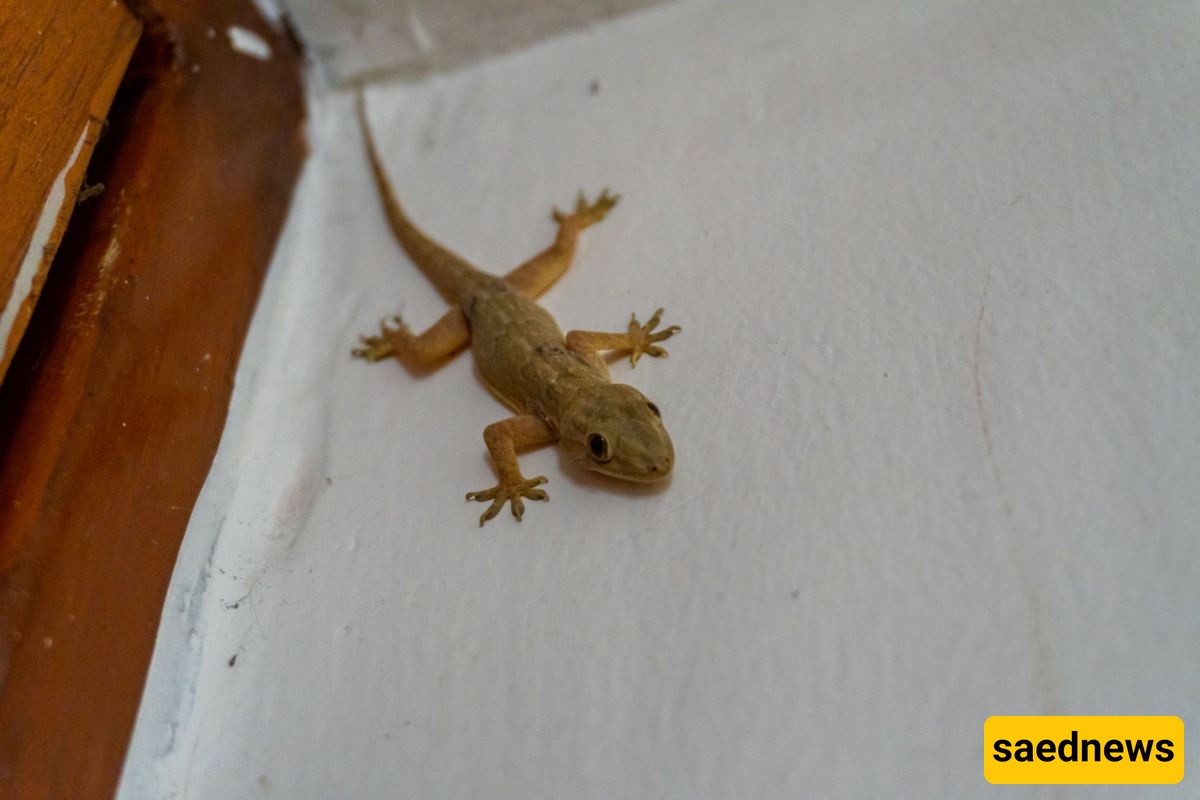
Since lizards feed on insects, reducing the insect population is one of the best ways to make your home less attractive to them.
To minimize insects:
Keep garbage in tightly covered bins and dispose of it regularly.
Store food in sealed containers.
Repair leaking pipes and faucets.
Keep areas beneath kitchen sinks, bathrooms, and garbage storage spaces clean and dry.
Install insect screens on windows.
Seal gaps beneath doors.
Control indoor humidity.
If you notice a large number of insects inside your home, identify and address the underlying cause rather than repeatedly relying on pesticides.
Fewer insects mean fewer food sources for lizards, making your home less appealing to them.
Lizards are often attracted to humid environments. Managing moisture levels inside your home can therefore help discourage their presence.
Here are some practical steps:
Repair leaking pipes, faucets, and air-conditioning units.
Use exhaust fans in bathrooms and kitchens.
Consider a dehumidifier in enclosed spaces such as basements and storage rooms.
Avoid leaving wet towels, damp cardboard boxes, or other moisture-retaining materials in corners.
Keep storage areas clean and dry.
Maintaining a dry indoor environment not only discourages lizards but also helps prevent mold growth.
Cluttered spaces, empty cardboard boxes, old clothes, and unused household items provide convenient hiding places for lizards and insects.
To reduce potential hiding spots:
Regularly clean storage rooms, closets, and areas beneath beds.
Remove unnecessary cardboard boxes.
Keep unused items to a minimum.
Store firewood away from exterior walls.
Clean beneath indoor plant pots and prevent water from collecting in saucers.
Keeping your home organized is one of the simplest and most effective ways to discourage lizards from settling indoors.
Many lizards initially live outdoors before finding their way inside. Managing the area surrounding your home can therefore make a significant difference.
Consider these preventive measures:
Trim tree branches and shrubs that touch exterior walls.
Remove piles of dry leaves, stones, and unused materials near the house.
Avoid allowing vegetation to grow too close to windows and doors.
Replace bright white outdoor lights with warmer, less insect-attracting lighting where appropriate.
Inspect drainage openings and spaces around pipes to ensure they are properly covered.
Outdoor lighting is particularly important because bright lights can attract insects, which in turn attract lizards.
Sometimes lizards enter homes by hiding in objects brought in from outside.
Before bringing the following items indoors, inspect them carefully:
Flowerpots and gardening supplies.
Cardboard boxes and storage containers.
Fruit crates and delivery boxes.
Firewood and other wooden materials.
Outdoor furniture and gardening equipment.
If you keep plants on your balcony or in your yard, avoid allowing insects and moisture to accumulate beneath their pots.
Also, inspect clothes and other belongings that have been stored outdoors or in storage areas for extended periods.
These simple precautions can help prevent unwanted lizards from entering your home.
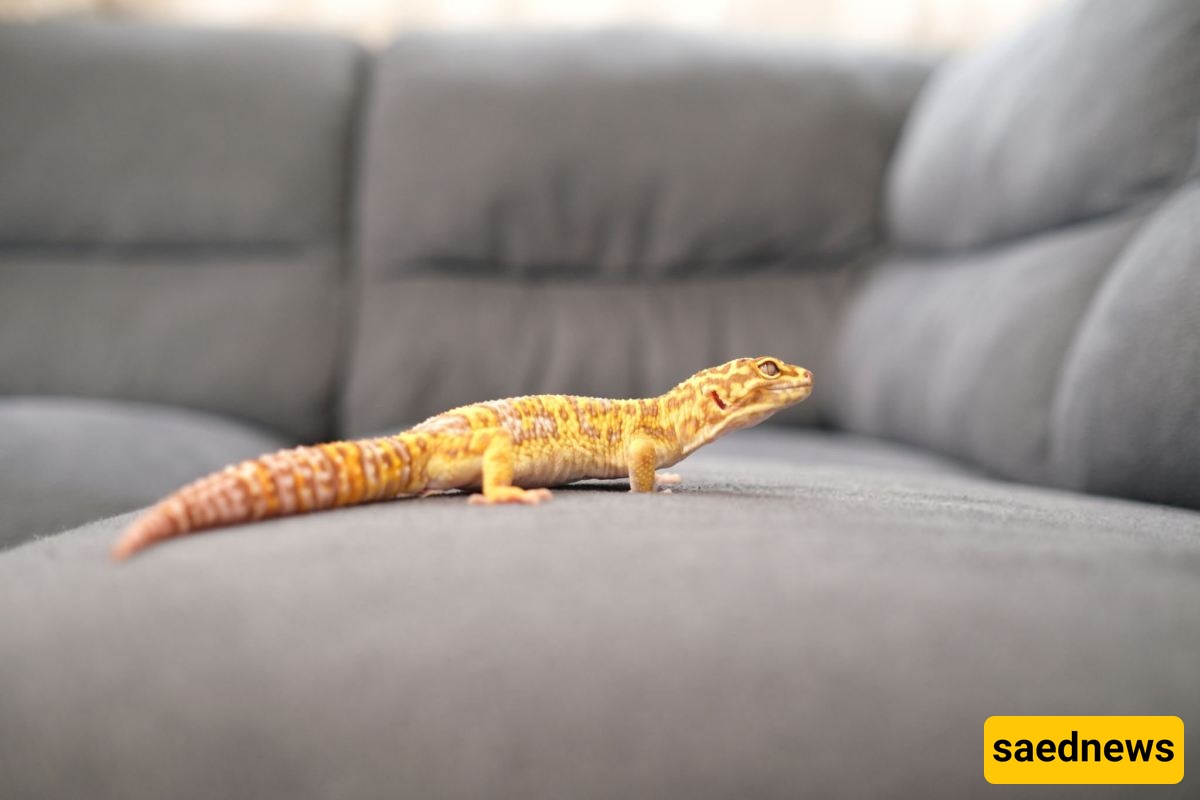
Even if you follow all the preventive measures, a lizard may occasionally find its way indoors.
The best approach is to remove it calmly and humanely.
Lizards are generally harmless, so consider using a container and a piece of cardboard to gently capture the animal and release it outdoors.
Avoid killing lizards or using dangerous pesticides, as these products may pose health risks to children, older adults, and pets.
You should also avoid using strong chemicals such as naphthalene mothballs in enclosed spaces, as they can be harmful to human health.
If lizards keep appearing inside your home, investigate the underlying causes, such as insect infestations, excessive moisture, or unsealed entry points.
Several popular home remedies claim to repel lizards, including:
Eggshells.
Garlic.
Onions.
Chili peppers.
Vinegar.
However, there is limited reliable evidence that these substances consistently repel lizards. Although they may have a limited effect in certain situations, they should not be considered dependable prevention methods.
Using toxic or hazardous substances to get rid of lizards is also not recommended.
The most reliable approach is to combine several preventive measures:
Seal cracks and entry points.
Reduce insect populations.
Control indoor humidity.
Maintain a clean and organized home.
Keep outdoor areas around the house tidy.
These methods are generally safer, more sustainable, and more effective for preventing lizards from entering your home.