SAEDNEWS: This article explores the psychological, physical, environmental, and social factors behind this desire, helping you distinguish between natural needs and potential warning signs while offering practical ways to manage it in a healthy and balanced way.
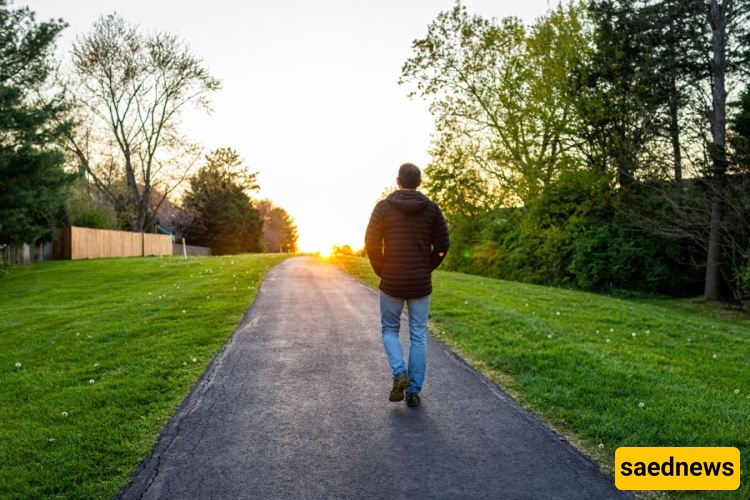
According to Saednews, The phrase “Why do I always feel like going outside?” is familiar to many people. Someone may be sitting in their room with work or studies to complete, and everything may seem perfectly fine. Yet their mind keeps urging them to step outside. Sometimes this feeling begins with looking out of the window, sometimes with hearing the sounds of the street, and sometimes it appears without any obvious trigger. The person may feel that the enclosed space of their home or workplace has become too restrictive and that they need to get out.
This feeling can be completely normal. Human beings need movement, natural light, fresh air, changing scenery, and interaction with the outside world. However, when this urge becomes repetitive, more intense, or develops into persistent restlessness, it deserves closer attention. The main question is: Is this desire a sign of a healthy need, or is it a message from the mind indicating psychological pressure, avoidance, or mental fatigue?
The desire to go outside is an internal urge to leave an enclosed space and spend time in a more open environment. It may appear as daydreaming about travelling, repeatedly looking out of the window, planning a walk, or feeling impatient when sitting in one room for too long. In many cases, this desire is natural and helps people adapt to their surroundings.
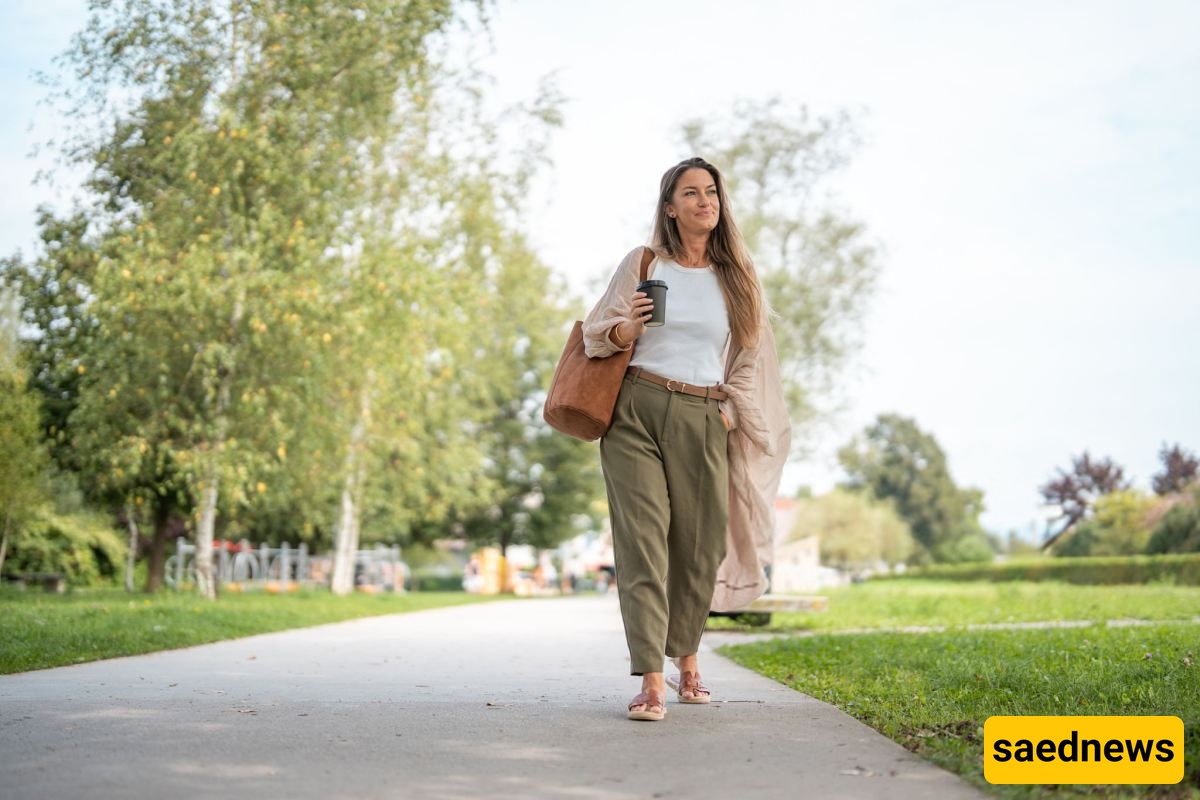
However, this desire should not be confused with restlessness. Restlessness is a state often associated with anxiety, difficulty concentrating, irritability, and a sense of internal pressure. A restless person may struggle to remain in one place, constantly change positions, or leave the house without any particular destination in mind. By contrast, a healthy desire to go outside is usually connected to a specific purpose or need, such as walking to relax, meeting friends, getting some fresh air, or changing surroundings to improve concentration.
Recognising this difference is important because a healthy desire can usually be satisfied through simple planning, whereas chronic restlessness may indicate psychological stress, anxiety, or even depression and may require professional assessment. Below, we explore the different reasons behind this feeling in greater detail.
The human mind is naturally attracted to new experiences and stimuli. When someone spends long hours in the same environment, looking at the same walls, desk, and surroundings, monotony can quickly set in. This repetitive environment may lead to boredom, reduced motivation, and difficulty concentrating. Going outside, even for a few minutes, breaks this cycle and gives the mind an opportunity to refresh itself.
Research in environmental psychology suggests that exposure to different environmental stimuli can influence creativity, mood, and motivation. People who work in enclosed and repetitive environments may be more vulnerable to mental fatigue. Therefore, the thought “I just want to go outside” may simply be the mind's way of communicating that it needs a change of scenery.
Sometimes, going outside works as a mental break. After spending hours working, studying, or dealing with family-related stress, a person may need some distance from the pressure they are experiencing. Walking along the street or sitting in a café can create a sense of relief and mental breathing space. In this situation, going outside becomes a way of regulating emotions and calming down before returning to a stressful situation.
However, this strategy remains healthy only as long as it does not become a pattern of chronic avoidance. If someone leaves home whenever they encounter even minor psychological pressure and never addresses the underlying problem, going outside may become a repeated form of avoidance rather than a solution.
That is why self-awareness is essential. It helps to ask yourself: Am I going outside because I genuinely enjoy it, or am I trying to escape something I need to confront?
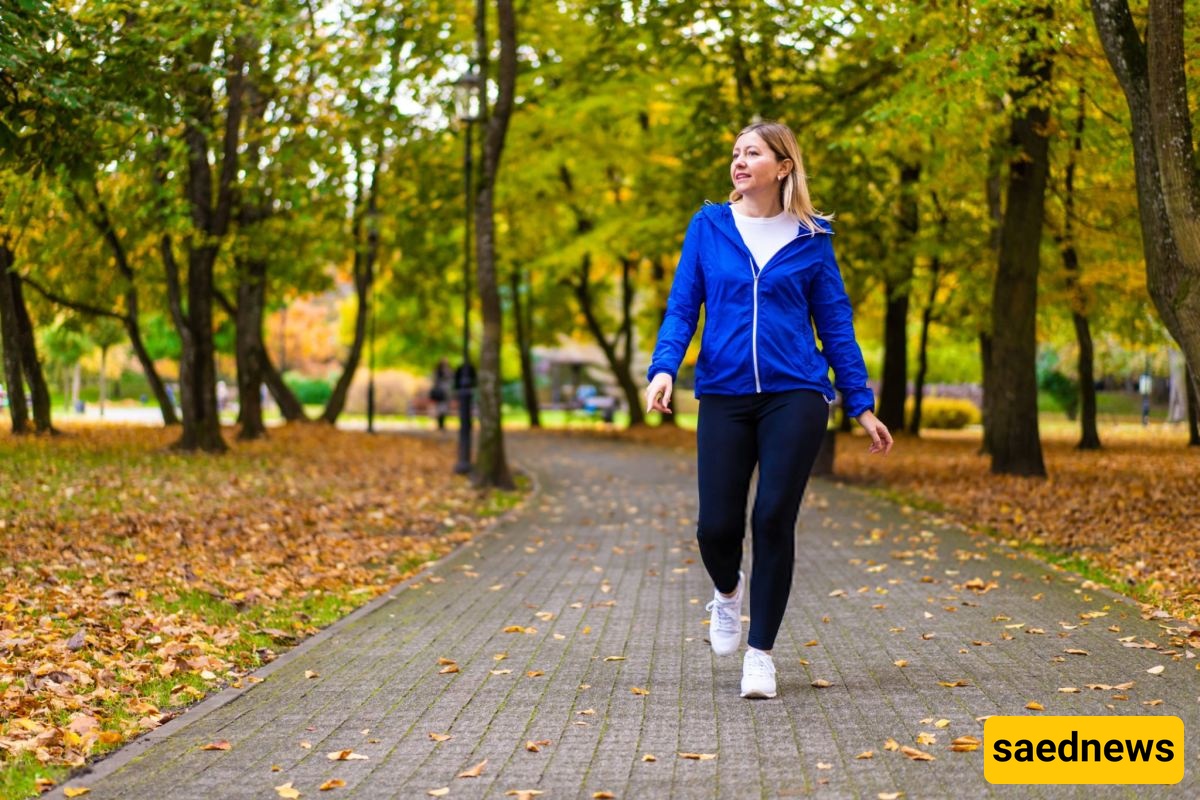
Enclosed environments can sometimes create a feeling of restriction. At home or at work, people may feel obliged to follow rules, fulfil responsibilities, or meet other people's expectations. Going outside can provide a sense of regaining control over personal time and choices.
A person gets to decide where to go, how long to stay, and which route to take. Even this small sense of freedom can be emotionally refreshing.
This is particularly common among people who spend long hours indoors or have significant family responsibilities. In such circumstances, wanting to go outside does not necessarily indicate irresponsibility. It may simply reflect a need to balance obligations with personal freedom.
Boredom is one of the most common reasons behind the constant desire to go outside. When people have nothing to do, or when their current activities feel uninteresting, their minds naturally start looking for something new. Going outside, browsing the internet, shopping, or even daydreaming about travelling are all ways the mind may try to escape boredom.
In these situations, going outside may not necessarily satisfy a deeper need. Instead, it can become an automatic response to having too much unoccupied time.
Research suggests that chronic boredom can contribute to impulsive behaviour, reduced concentration, and feelings of meaninglessness. Therefore, if the urge to go outside mostly appears during periods of inactivity or while performing repetitive tasks, boredom may be one of the underlying causes.
The real solution in this case is to find meaningful and varied activities rather than simply leaving the house.
Many people naturally feel drawn outside and towards other people after spending several hours alone. Human beings are social creatures, and the need for conversation, companionship, and shared experiences is deeply rooted in our nature.
Going outside gives people opportunities to interact with friends, colleagues, or even strangers and can help reduce feelings of loneliness.
Research on loneliness has repeatedly highlighted the association between prolonged social isolation and an increased risk of depression, anxiety, and poorer physical health. Therefore, for people who spend long periods alone, the desire to go outside may be a natural response to an unmet need for human connection.
Rather than ignoring this feeling, it is important to find healthy ways to meet that need.
Natural light has a direct influence on the body's internal clock, mood, and energy levels. Exposure to sunlight helps regulate the circadian rhythm and plays a role in vitamin D production.
Research suggests that insufficient exposure to natural light, particularly during seasons with fewer daylight hours, may be associated with lower mood, irregular sleep patterns, and fatigue. Under these circumstances, the desire to go outside may be the body's natural response to its need for sunlight and fresh air.
Someone who spends hours in a room under artificial lighting may feel an unexplained urge to leave the enclosed environment. In reality, this feeling may be a biological signal that the body needs natural light, movement, and fresh air.
The human body needs movement to remain healthy. Sitting for extended periods can contribute to muscle stiffness, reduced blood circulation, mental fatigue, and even lower mood.
The World Health Organization recommends that adults engage in at least 150 minutes of moderate-intensity physical activity per week. However, many people spend long hours sitting throughout the day.
In such circumstances, the desire to go outside may indicate that the body needs movement and an opportunity to release accumulated energy.
Even a ten-minute walk can help improve circulation, reduce muscle tension, and support concentration. Therefore, if someone feels restless after sitting for hours, their body may simply be asking for movement, and going outside is one of the easiest ways to meet that need.
Indoor air quality can affect concentration and respiratory health. Poorly ventilated rooms may allow carbon dioxide levels to rise, potentially contributing to drowsiness, mild headaches, and reduced concentration.
In such environments, the urge to go outside may be a natural response to the body's need for fresh air.
Studies by public health organisations have shown that inadequate ventilation in enclosed spaces can be associated with reduced productivity and increased physical discomfort. Therefore, before interpreting the desire to go outside as a psychological issue, it is also worth examining the quality of the indoor environment.

Living in small, crowded, or overstimulating environments can create a sense of restriction. Someone sharing a small living space with several other people may constantly feel the need for personal space and solitude.
Going outside in these circumstances can provide an opportunity to regain privacy and reduce environmental stress.
This issue has been repeatedly explored in research on residential overcrowding and psychological stress. Crowded living conditions can contribute to irritability, difficulty concentrating, and mental fatigue.
Therefore, wanting to go outside in such circumstances may be a reasonable response to environmental pressure and should not be dismissed.
Seeing pictures of other people's travels, outings, and recreational activities on social media can increase feelings of missing out and create a desire to have similar experiences.
Without even realising it, someone may become influenced by other people's posts and start feeling that they should leave home and experience something exciting themselves.
This phenomenon is sometimes associated with Fear of Missing Out (FOMO), which can intensify the desire to go outside.
However, in this situation, the urge does not necessarily reflect a genuine personal need. It may be driven by social comparison.
Recognising this distinction is important because going outside impulsively may sometimes lead to further dissatisfaction rather than fulfilment.
It is worth asking yourself: Does this desire come from my own needs, or is it influenced by watching other people's lives?
Modern urban life, particularly in large cities, can encourage a sedentary and stressful lifestyle. Many people spend long hours at home or in the workplace and have fewer opportunities to connect with nature.
Research suggests that spending time in natural environments and green spaces can help reduce stress, improve mood, and enhance concentration.
In these circumstances, the desire to go outside may represent an attempt by both the body and mind to restore balance.