SAEDNEWS: In this article, we explore the differences between thyme and oregano, covering everything from their appearance and flavor to their characteristics, role in Iranian and international cuisine, health benefits, uses, pricing, market demand, storage methods, and common misconceptions about these two herbs.
According to Saednews, Many people come across names such as thyme and oregano when buying spices or using aromatic herbs in cooking and initially assume that they are exactly the same plant. Some even believe that oregano is simply the foreign name for thyme and that there is no real difference between them. In reality, although thyme and oregano have many similarities and both belong to the mint family, they differ in taste, appearance, culinary uses, and even their traditional properties.
Knowing the difference becomes particularly important when you want to use these herbs in cooking, prepare herbal tea, or use them for traditional medicinal purposes. Confusing thyme with oregano can change the final flavor of a dish or prevent you from getting the qualities you are looking for.
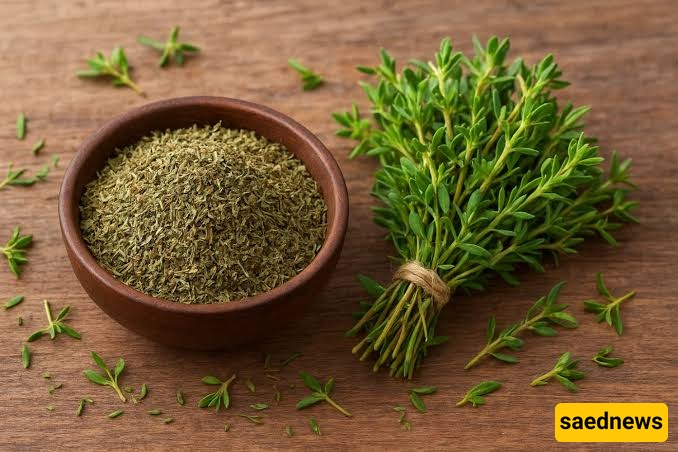
Thyme is one of the best-known aromatic herbs used in cooking and traditional medicine. In Iran, particularly in mountainous regions, wild thyme is widely found and has been used in traditional medicine for centuries.
Thyme generally has small, oval, light-green leaves and produces a strong, warm aroma. It is available fresh, dried, powdered, as an herbal tea, and even in products such as herbal syrups and drops.
In cooking, thyme is commonly used in Iranian dishes, stews, soups, various rice dishes, and hearty meals. It is also one of the most commonly used herbs for cough relief, and many herbal syrups available on the market are thyme-based.
Oregano, also known as wild marjoram in some contexts, is an aromatic herb with leaves that are generally broader than those of thyme and a darker green color.
The name “oregano” is strongly associated with Italian, Greek, and Mediterranean cuisine. If you have ever eaten authentic Italian pizza or pasta, you are probably familiar with its distinctive flavor. Like thyme, oregano is available both fresh and dried.
Compared with thyme, oregano generally has a milder flavor, with a slightly spicy, earthy, and warm character. This makes it particularly popular in salads, pizza, sauces, and lighter dishes.
The short answer is no.
Although thyme and oregano share many characteristics, they are different plants with distinct culinary and traditional uses.
The confusion is understandable because both belong to the mint family and have warm, aromatic flavors. However, just as mint is different from basil and marjoram is different from mint, thyme and oregano also have their own unique characteristics.
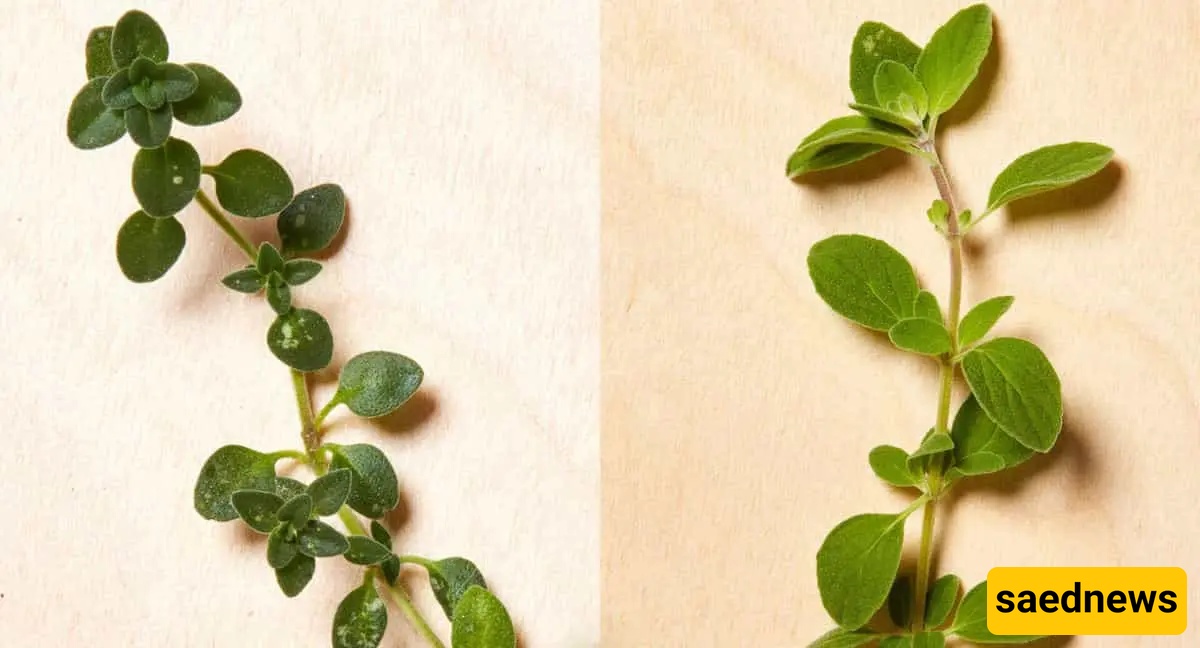
At first glance, distinguishing the two herbs can be difficult, but several characteristics can help.
Thyme has smaller, finer leaves.
Oregano generally has larger, rounder leaves.
Thyme tends to be lighter green.
Oregano is usually darker green and can sometimes have a slightly grayish tone.
Thyme leaves are thinner and more delicate.
Oregano leaves are somewhat thicker and more fleshy.
Thyme is generally a shorter plant.
Oregano tends to form a taller, more spreading bush.
One of the easiest ways to tell these herbs apart is by their flavor and aroma.
Has a strong, warm, slightly sharp flavor
Has a more pronounced aroma
Works particularly well in dishes that need a powerful herbal fragrance
Has a milder, more earthy flavor
Its aroma is generally less sharp
Is especially common in lighter and Mediterranean-style dishes
If you have eaten authentic Italian pizza, the characteristic herbal flavor you notice is usually associated with oregano rather than thyme.
Soups
Stews
Hearty dishes such as beans, lentils, and traditional meat-based meals
Red meat
Iranian cuisine
Herbal tea blends
Pizza
Pasta
Caesar salad
Italian-style sauces
Mediterranean dishes
Light chicken and fish dishes
If you want a stronger, more pronounced herbal flavor in an Iranian-style dish, thyme may be the better choice. If you want a milder, more layered herbal note, oregano can be more suitable.
Both herbs have been associated with a variety of traditional uses, although they are not identical.
Traditionally used to soothe coughs
Traditionally used for throat discomfort
Supports digestion
May help with bloating
Known for antimicrobial activity
Traditionally used for headaches associated with colds
Thyme contains several active compounds and has a long history of use in traditional approaches to respiratory discomfort.
Supports digestion
Traditionally used for minor digestive discomfort
Has anti-inflammatory properties
Traditionally associated with relaxation
Can enhance flavor and potentially reduce the need for added salt
Oregano is particularly valued for its contribution to flavor, digestion, and its traditional soothing qualities.
In Iran, thyme is much more familiar and has traditionally been used in both cooking and herbal teas. Oregano, by comparison, has historically been more closely associated with Mediterranean and Italian cuisine and has become increasingly popular in Iranian cooking in recent years.
In many European and American kitchens, oregano is one of the most commonly used everyday herbs. In Iran, however, thyme still has a stronger culinary and traditional presence.
In the Iranian market, thyme is often more affordable than oregano. Oregano may be somewhat more expensive because of imports or the relatively limited amount of domestic production.
However, prices vary depending on quality, packaging, origin, and brand.
Yes, but the result depends on the dish.
For many Iranian dishes, thyme can work very well. If you want a milder herbal aroma, however, oregano may be a better option.
In pizza and pasta, replacing oregano with thyme will usually produce a noticeable change in flavor. The dish may taste stronger, sharper, and more reminiscent of the flavor profile associated with Iranian cuisine.
Both herbs can be stored in dried form for an extended period.
To preserve their aroma and quality:
Keep them in an airtight container.
Store them away from light and moisture.
Keep them away from excessive heat.
Glass containers are generally preferable to plastic for long-term storage.
Thyme has traditionally been associated more strongly with respiratory concerns, coughs, colds, and throat discomfort. Oregano is more commonly associated with digestion, mild inflammation, and relaxation.
In Iranian traditional medicine, thyme has historically held a more prominent position than oregano.
Some common mistakes and misconceptions include:
Assuming oregano is simply another name for thyme
Using thyme instead of oregano on pizza
Giving excessive amounts of thyme to children
Storing either herb in a humid environment
Buying adulterated thyme mixed with other plants
Assuming the two herbs have identical flavors and effects
In Iranian cuisine, where rich flavors and warm spices are common, thyme is often the preferred choice. Some people even add a small amount of thyme to yogurt or milk to enhance the flavor.
In Iran, oregano is more commonly used in fast-food-style dishes such as pizza and lasagna, as well as in salads. In recent years, however, some professional chefs have started incorporating oregano into Iranian dishes to create new flavor combinations.
For herbal tea, thyme is considerably more popular.
Has a stronger flavor
Is traditionally used for cough relief
Is considered warming in traditional herbal practices
Oregano can also be prepared as an herbal tea, but this is less common and is generally associated more with its soothing qualities.
Thyme is traditionally considered to have stronger antimicrobial properties and is particularly associated with respiratory health. However, neither herb should be considered a substitute for medical treatment, and claims about immune-boosting effects should be interpreted cautiously.

Oregano is widely used in Mediterranean cooking as a flavor enhancer. Its distinctive aroma can make food taste more flavorful, which may help some people use less salt.
Thyme can also enhance flavor, but oregano may be particularly useful when the goal is to add a strong Mediterranean-style flavor without relying as heavily on salt.
Thyme and oregano may look and smell similar, but they are not the same herb. Thyme generally has a stronger, sharper aroma and is especially popular in Iranian cuisine, hearty dishes, and traditional herbal preparations. Oregano tends to have a milder, earthier flavor and is strongly associated with pizza, pasta, sauces, salads, and Mediterranean cuisine.
Choosing between them ultimately depends on the flavor profile and purpose you want. For a bold, warm herbal note, thyme is often the better choice. For a milder, earthy Mediterranean character, oregano is usually the better fit.