SAEDNEWS: Grape molasses, also known as doushab, is a natural sweetener rich in energy, made by boiling down grape juice. In this article, you’ll discover the remarkable benefits of grape molasses and learn the complete traditional method for preparing it at home.
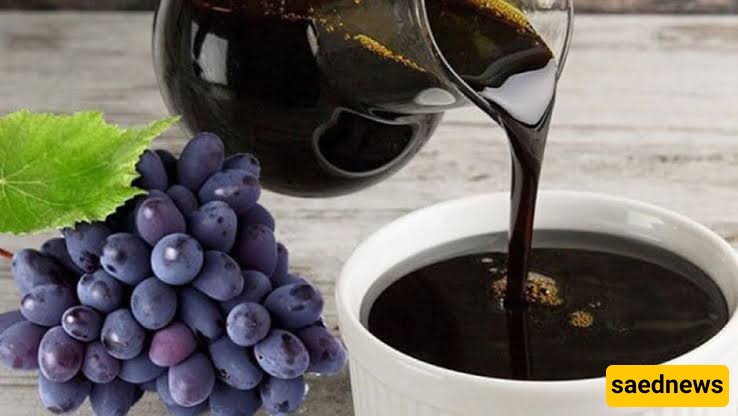
According to Saednews, Grapes, this nutritious and naturally sweet fruit, have long held a special place in the Iranian diet. Beyond eating them fresh, Iranians have developed a variety of traditional methods to preserve and make the most of this fruit. One of the most valuable products is grape molasses, known in some regions as dooshab. It is made by boiling and concentrating grape juice and is traditionally regarded as a natural sweetener, an energy-rich food, and a source of nutrients.
Grape molasses is especially popular at breakfast, often served with tahini (sesame paste). However, its role extends well beyond a delicious morning meal. In traditional Persian medicine, grape molasses has been used for various purposes, including supporting general strength and digestion. Homemade grape molasses also offers a traditional alternative to commercial products, provided it is prepared carefully and hygienically.
This guide explains the traditional Persian method of making grape molasses at home, along with important tips for selecting grapes, achieving the right consistency, and storing the finished product.
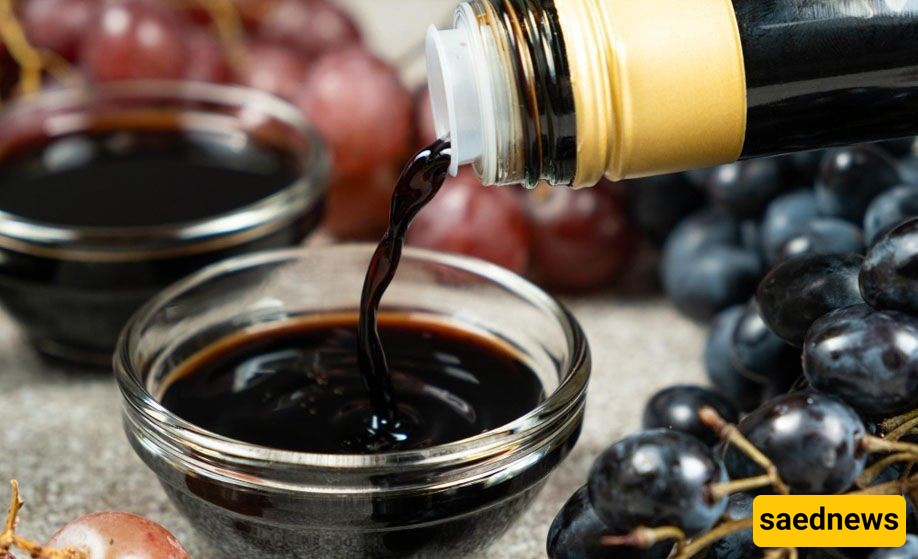
Making grape molasses at home can take some time, but following the traditional process carefully can produce a thick, flavorful, and aromatic syrup.
Grapes: As much as desired. Sweet, fully ripe varieties such as Askari or Fakhri grapes are traditionally preferred.
Special white clay for dooshab: Approximately one-eighth of the weight of the grapes.
Wash the grapes thoroughly to remove dust and surface impurities. Place them in a colander and allow excess water to drain.
Transfer the clean grapes to a large container and crush them thoroughly using a potato masher, wooden tool, or another suitable utensil. The grapes may also be crushed by hand. The goal is to release as much juice as possible.
Traditionally, the white clay used for dooshab is heated before being added to the grape juice. It can be heated on a heater, in an oven, or under sunlight for several hours.
The traditional method considers heating important because untreated clay may make the grape juice cloudy or muddy. Once heated, the clay is added to the grape juice and mixed thoroughly.
Why is white clay used?
In traditional Persian preparation, special white clay—often obtained from herbal shops or particular areas, including villages around Malayer—is added for two main reasons. First, it helps impurities settle and contributes to a clearer syrup. Second, traditionally it is believed to help prevent the grape juice from becoming sour during cooking.
Leave the grape juice and clay mixture undisturbed in a cool place overnight, for approximately 12 hours. This allows the clay and other impurities to settle at the bottom.
The following day, slowly strain the mixture through a clean cotton cloth, such as metqal fabric, to obtain clear grape juice. Be careful not to disturb the sediment at the bottom or allow it to enter the cloth.
After allowing the strained juice to rest for another short period, approximately two hours, transfer it to a large pot or traditional cooking vessel.
Place it over heat and bring it to a gentle boil. Keep the heat moderate and allow the juice to cook slowly. This is the central stage of the grape-molasses-making process.
The grape juice needs to simmer for several hours as its water content evaporates and the syrup becomes progressively thicker.
The required cooking time varies according to the type of cooking vessel, heat intensity, and amount of juice. The molasses is ready when it reaches the desired thickness and develops a slightly elastic consistency.
To test it, place a small amount on a cool surface. If it remains gathered rather than spreading and develops a slightly stretchy consistency, it is considered ready.
The traditional cooking vessel can influence both the color and consistency of the finished molasses.
Copper-colored/traditional metal vessels: According to the traditional method, grape juice cooked in certain metal vessels can reach a thick, elastic consistency relatively quickly, producing a lighter, clearer brown syrup.
Copper pots: These are traditionally said to require a longer cooking period, resulting in darker and firmer grape molasses.
The quality of the grapes has a major effect on the final product. The sweeter and more mature the grapes, the richer and more flavorful the molasses will generally be.
Unripe or excessively sour grapes may produce a less pleasant-tasting syrup.
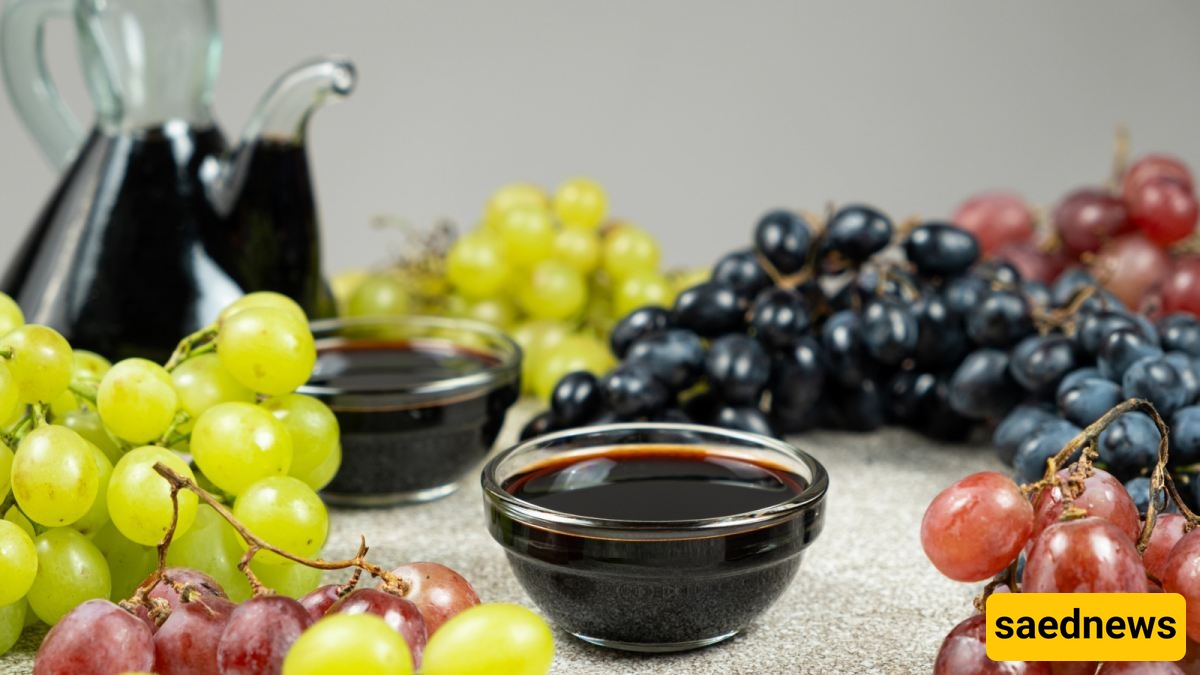
Traditional grape molasses obtains its sweetness naturally from the sugars present in the grapes. There is generally no need to add sugar or other sweeteners.
Because grape molasses has a high sugar concentration, it can have a relatively long shelf life. For longer storage, keep it in a clean, tightly sealed glass container in a cool, dry place.
Avoid prolonged exposure to direct sunlight.
If the molasses crystallizes or develops sugar crystals, this can occur naturally. Gentle warming can return it to a smoother consistency.
Grape molasses is an enduring part of Iranian culinary heritage. For generations, it has been enjoyed as a breakfast food, commonly paired with fresh bread and tahini, while also being used in traditional desserts and other dishes.
Although making it at home requires patience and attention, the traditional process produces a rich, thick, fragrant syrup with the characteristic flavor of concentrated grapes. By selecting good-quality ripe grapes and carefully following each stage of preparation, you can make a traditional homemade grape molasses suitable for a wide range of culinary uses.
Note: Traditional claims about grape molasses and white clay should not be confused with medically established treatments, and any clay intended for food preparation should be specifically food-grade and safe for consumption.