SAEDNEWS: Kashk-e Bademjan is one of Iran’s most beloved traditional dishes. In this article, we’ll show you three delicious ways to prepare it: a classic festive version, a yogurt-based version, and a lighter diet-friendly option.
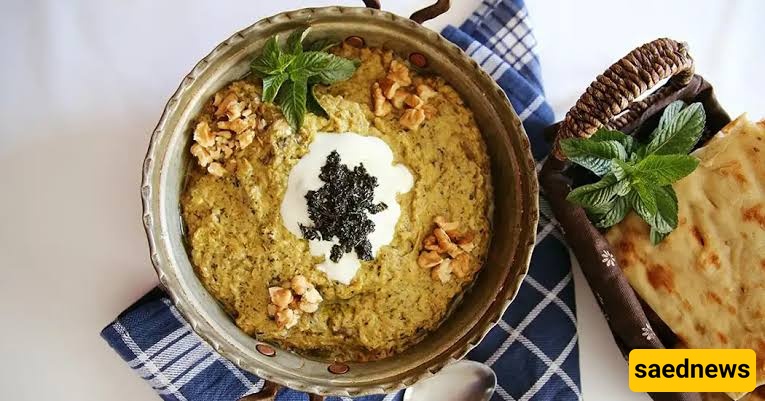
According to Saednews, Kashk-e Bademjan is one of Iran’s most beloved traditional dishes. Made with eggplant, kashk, garlic, and dried mint, it has a distinctive aroma and rich flavor that has earned it a special place on Persian dining tables. It can be served either as an appetizer or as a satisfying main dish. Thanks to its creamy texture and unique combination of flavors, it is enjoyed throughout Iran.
If you are looking for a flavorful, affordable dish that does not require rice or meat, Kashk-e Bademjan is an excellent choice. Below are three different ways to prepare it, from a traditional and elegant version to lighter alternatives made with yogurt or very little oil.
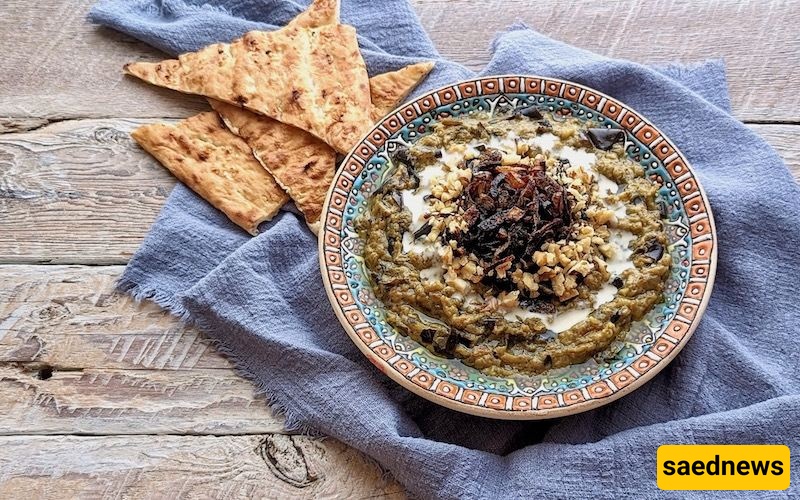
For family gatherings and special occasions, this version offers a more elegant presentation. Using grilled eggplant instead of fried eggplant gives the dish a delicious smoky flavor, while walnuts and saffron-infused kashk make the final presentation especially attractive.
6 medium eggplants
4 tablespoons fresh kashk, plus extra for garnish
4 cloves fresh garlic
2 large onions
3 tablespoons chopped walnuts
2 tablespoons dried mint
1 stock cube or 1 cup meat stock, optional
Vegetable oil or clarified butter, as needed
Salt, black pepper, and turmeric, to taste
Prepare the eggplant: Wash and peel the eggplants, then cut them into relatively thick slices or small cubes. Sprinkle them with salt and leave them in a colander for about 30 minutes. This helps draw out excess moisture and bitterness and can also reduce oil absorption during frying.
Cook the eggplant: Heat oil in a pan and fry the eggplant until golden and tender on both sides. For a lighter and more refined version, grill the eggplant in the oven or directly over a gas flame. Once cooked, place the eggplant on paper towels to remove excess oil.
Prepare the onions and garlic: Slice or dice the onions and sauté them in a little oil until golden. Add the chopped garlic toward the end and cook briefly until fragrant. Stir in turmeric and black pepper.
Combine everything: Add the cooked eggplant to the onion and garlic mixture. Mash the eggplant with a wooden spoon. If using stock, dissolve the stock cube in a little hot water and add it to the pan. Cover and cook over low heat for about 10 minutes, allowing the flavors to blend.
Add the kashk: Dilute the kashk with a little hot water until smooth. Add it to the eggplant mixture and stir well. Reduce the heat and warm the mixture gently rather than allowing it to boil. Boiling kashk can cause it to separate.
Finish and garnish: Stir some mint fried briefly in oil into the dish. Taste before adding more salt because kashk is naturally salty. Transfer the Kashk-e Bademjan to a serving dish and garnish with saffron kashk, fried onions, fried mint, fried garlic, and chopped walnuts.
Serve with fresh bread and herbs.
Some people prefer yogurt because of dietary preferences or because they find kashk too strong. This version has a milder flavor and lighter texture, making it closer to a Mediterranean-style dip or appetizer.
4 medium eggplants
1 cup strained or Greek yogurt
4 cloves garlic, crushed
1 tablespoon olive oil
3 tablespoons fresh lemon juice
Salt and black pepper, to taste
Chopped parsley or fresh mint, for garnish
Roast the eggplant: Preheat the oven to 230°C (450°F). Pierce the eggplants several times with a fork and place them on a lightly greased baking tray. Roast for about 45 minutes, until the skins are charred and the flesh is completely tender. This method gives the dish a wonderful smoky aroma.
Make the yogurt sauce: Combine the yogurt, crushed garlic, lemon juice, olive oil, salt, and black pepper in a bowl. Mix until smooth and creamy. Refrigerate for about 15 minutes to allow the flavors to develop.
Combine the ingredients: Once the eggplants have cooled, remove the flesh from the skins and place it in a bowl. Mash with a fork or potato masher. Add the yogurt sauce and mix thoroughly until smooth and well combined.
Serve: Transfer the dip to a serving dish and garnish with olive oil, chopped parsley, walnuts, and fresh mint leaves. This version is best served chilled and pairs particularly well with toasted bread or pita.
For a more traditional flavor, you can also mix one tablespoon of kashk into the yogurt.
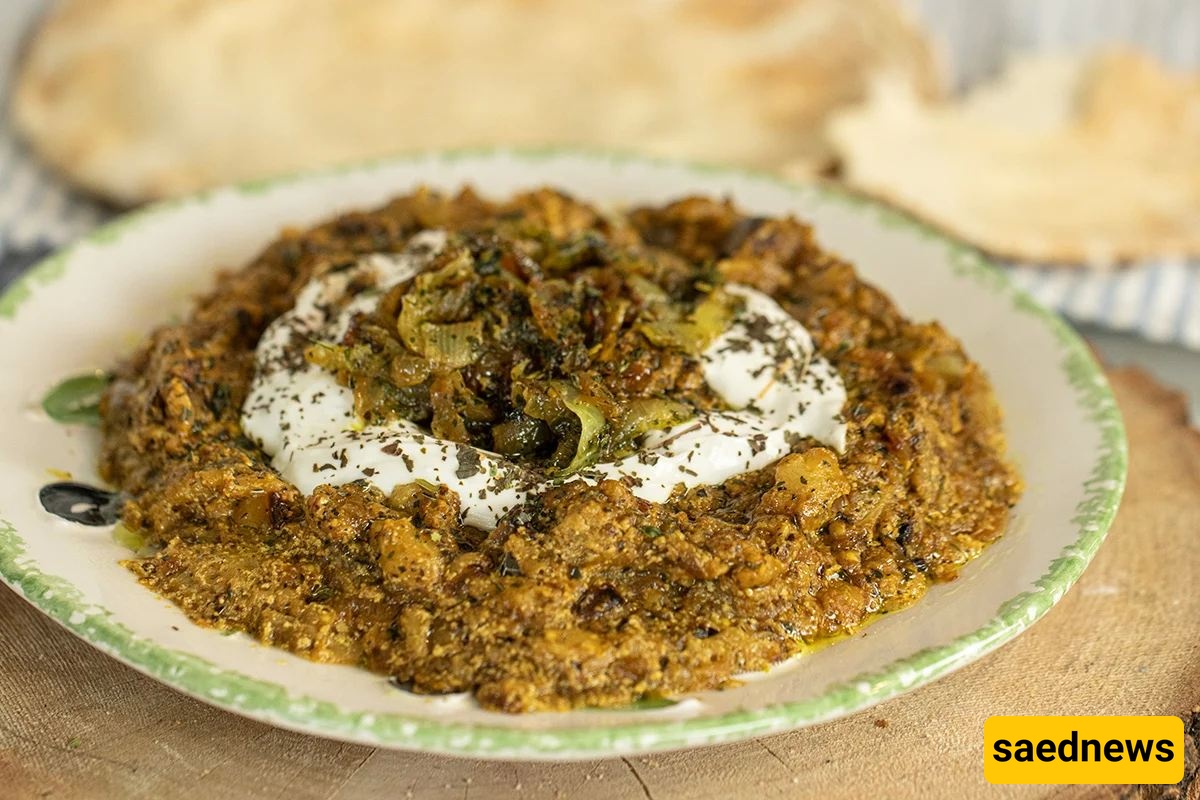
If you are trying to reduce your oil intake or simply want a lighter take on this traditional dish, Kashk-e Bademjan can be prepared without frying the eggplant. Steaming it preserves its natural flavor while keeping the dish considerably lighter.
4 medium eggplants
3 tablespoons low-fat kashk
2 teaspoons fried garlic prepared with very little oil
3 tablespoons fried onions
2 tablespoons dried mint
Turmeric and black pepper, to taste
A small amount of salt, depending on the saltiness of the kashk
Cook the eggplant: Peel the eggplants and slice them thinly. Sprinkle with salt and leave for 30 minutes, then rinse. Arrange the eggplant in a nonstick pot and add about one cup of water. Cover and cook until the eggplant becomes completely tender. This replaces the traditional frying process.
Prepare the kashk mixture: In a bowl, dilute the kashk with half a cup of warm water. Add turmeric, black pepper, and some dried mint, then mix well.
Cook the dish: Pour the kashk mixture into the pot with the cooked eggplant and stir. Reduce the heat and cook for about 45 minutes, allowing the mixture to thicken and the eggplant to break down. Toward the end, mash everything with a potato masher until the texture becomes smooth and creamy.
Add the aromatics: Stir in the lightly prepared fried onions and garlic. You can use a small amount of water or cooking spray instead of regular oil when preparing them.
Rest and serve: Turn off the heat and let the dish rest, covered, for about 30 minutes. Transfer it to a serving bowl and garnish with fried mint, fried onions, and chopped walnuts. It can be enjoyed on its own or with whole-grain Sangak bread.
Eggplant has long been an important ingredient in Persian cuisine. Combining roasted or fried eggplant with creamy kashk, garlic, and fragrant mint creates a rich harmony of flavors that is both comforting and satisfying.
The versatility of Kashk-e Bademjan is part of its appeal. It can be prepared as an elegant appetizer for guests, transformed into a lighter yogurt-based dip, or adapted into a lower-oil version for everyday meals. Every family may have its own preferred combination of ingredients and garnishes, which is one reason this classic Persian dish continues to remain popular.
With its creamy texture, smoky eggplant, fragrant herbs, and savory toppings, Kashk-e Bademjan is a simple yet memorable taste of traditional Iranian cuisine.