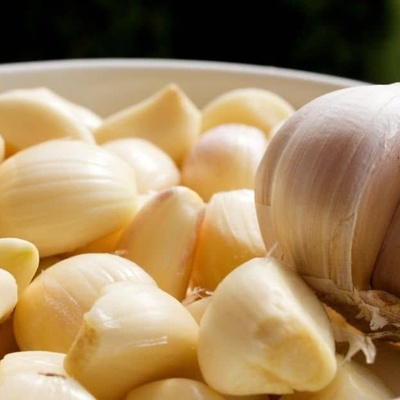
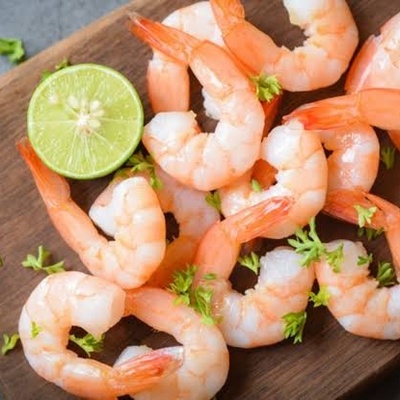
SAEDNEWS: Some foods lose their freshness faster than others because of factors such as moisture, temperature, storage conditions, and exposure to air. Understanding the reasons behind food spoilage can help households store ingredients properly, reduce waste, and keep food quality for a longer time.
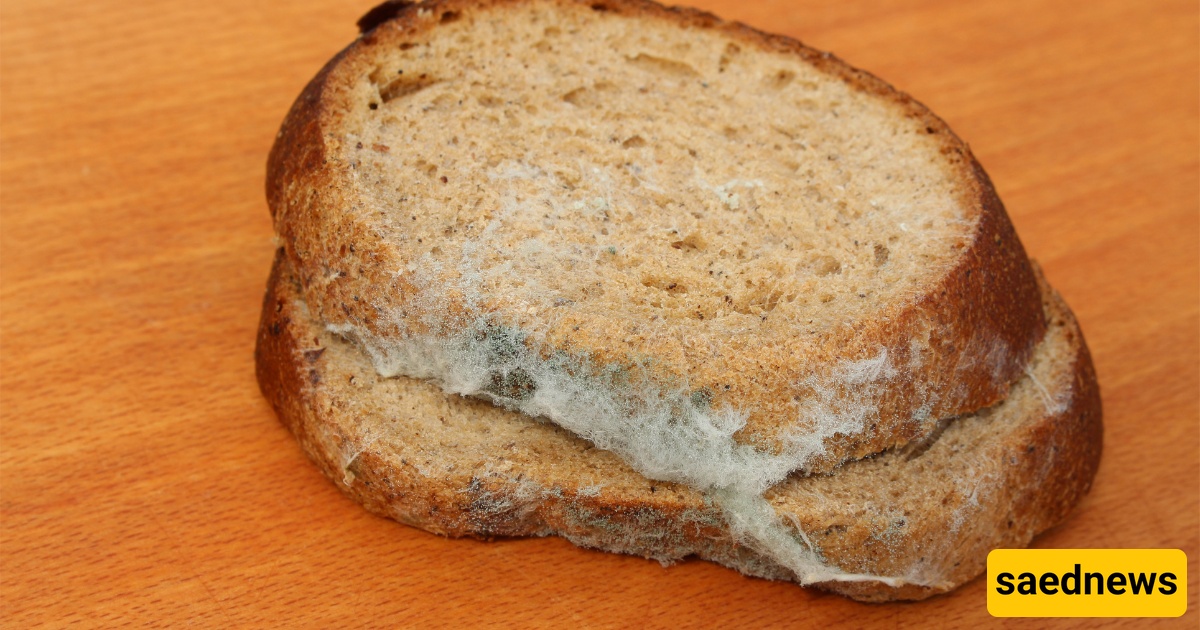
According to SAEDNEWS, different foods have different levels of sensitivity to environmental conditions. Ingredients with high moisture content often change faster because moisture creates conditions that allow natural deterioration processes to happen more quickly. Proper storage methods can help maintain freshness and preserve food quality.
Temperature is one of the most important factors affecting how long food stays fresh. Keeping suitable foods in a cool and stable environment can slow down unwanted changes. Frequent temperature changes, such as leaving food in warm areas and then moving it to colder places, may reduce its freshness more quickly.
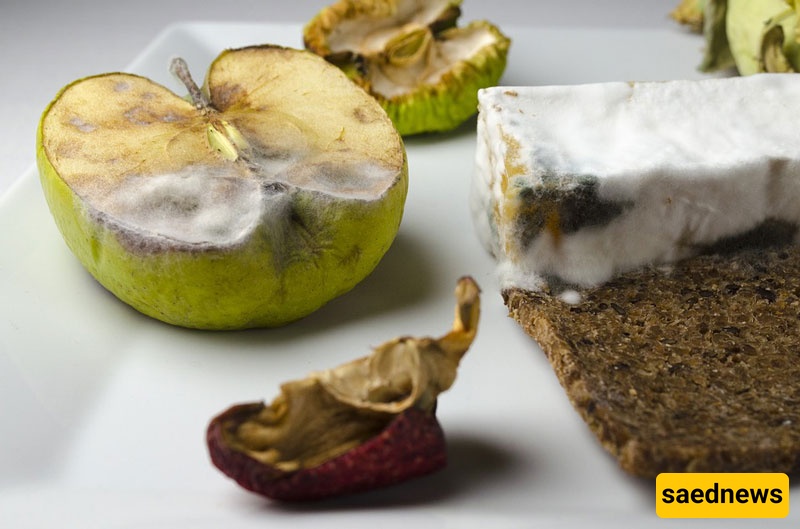
Excess moisture can make some foods lose their texture and quality faster. Foods stored in damp conditions may become soft, less appealing, or develop unpleasant changes. Using dry and clean storage spaces helps protect many ingredients from early spoilage.
Air and light can also influence the quality of certain foods. Long exposure to these elements may change the taste, color, and freshness of ingredients. Storing food in suitable containers and keeping it away from unnecessary exposure can help maintain its original condition.
Many food items spoil earlier because of simple storage mistakes, such as overcrowding storage areas, ignoring expiration dates, or keeping ingredients in unsuitable places. Organizing food properly and checking stored items regularly can prevent waste and help families use ingredients more efficiently.
Learning how different foods react to their surroundings allows people to make smarter storage decisions. Small changes in daily habits, such as maintaining cleanliness, controlling moisture, and arranging ingredients carefully, can extend freshness and support a more organized kitchen.