SAEDNEWS: Almond porridge is a traditional and nutritious dish made with almonds, milk, and rice flour. It can support children’s bone health, immune system, and brain development. In this article, you’ll learn how to prepare almond porridge, explore its potential benefits, and discover important tips for serving it safely and appropriately.

According to Saednews, Almond porridge is a thick, smooth pudding made with ground almonds, milk, and rice flour. It has a creamy texture and a pleasant flavor and can be lightly sweetened with sugar or honey for children over one year of age.
Because almonds are rich in protein, healthy fats, vitamin E, magnesium, phosphorus, and antioxidants, this traditional food can provide several important nutrients. Milk and rice flour also contribute calcium, carbohydrates, and energy. Together, these ingredients make almond porridge a nutritious meal option for growing children, particularly those with smaller appetites or those who enjoy a variety of wholesome foods.
Almonds are among the most nutrient-dense nuts and are well known for their potential health benefits. They contain high amounts of unsaturated fats, which are beneficial for heart health. Almonds are also a good source of plant-based protein, which supports muscle development and tissue repair.
Vitamin E acts as a powerful antioxidant that helps protect cells from oxidative damage. Magnesium contributes to normal muscle and nerve function, while phosphorus, together with calcium, supports strong bones and teeth. Including almonds as part of a balanced childhood diet can therefore provide valuable nutrients that support healthy growth.
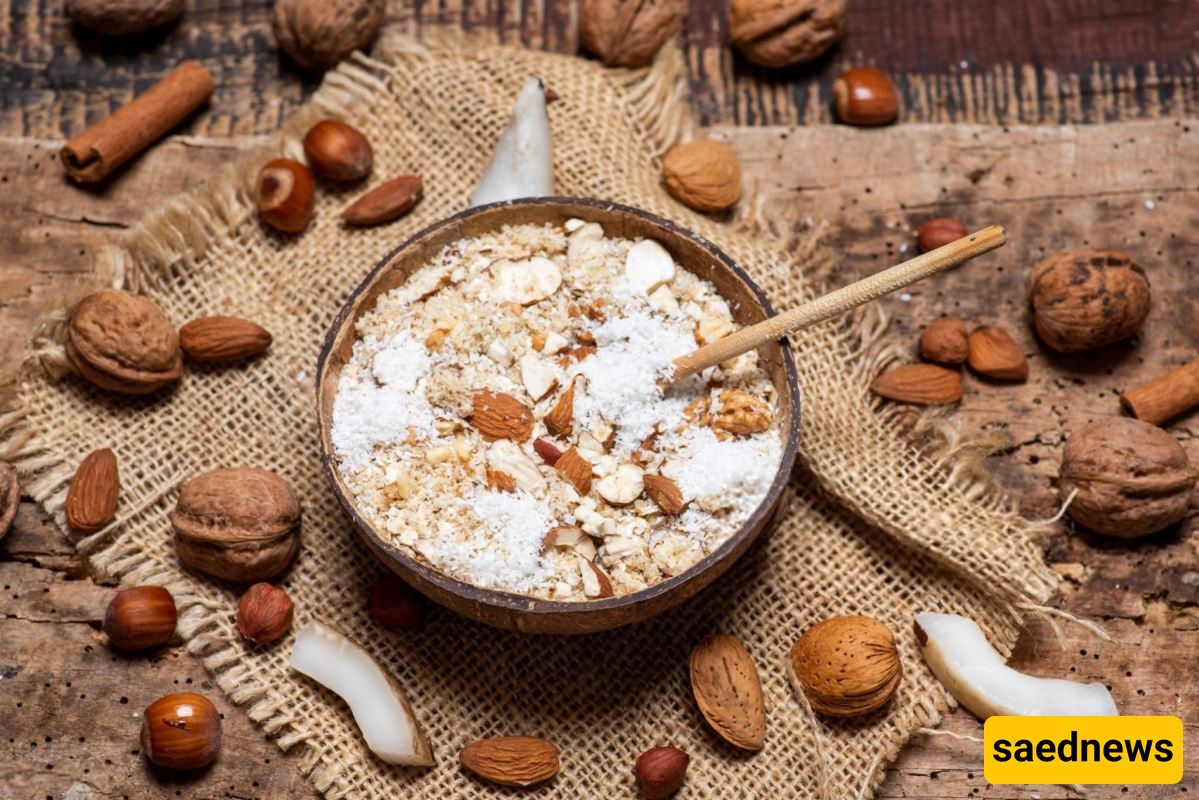
One of the advantages of almond porridge is that it can be prepared quickly with only a few basic ingredients. The following recipe is designed for children and makes approximately one serving.
3 almonds
1 full glass of milk, preferably whole or pasteurized milk
1 tablespoon rice flour
1 teaspoon sugar, optional and only for children over one year old
1. Soak the almonds
Place the almonds in a bowl of water the night before, or soak them for at least three hours. Soaking softens the almonds and makes the skins easier to remove.
2. Peel and grind
After soaking, gently remove the almond skins. Grind the almonds thoroughly in a food processor or grinder. If you do not have a grinder, a mortar and pestle can be used. The finer the almond powder, the smoother the final porridge will be.
3. Cook the porridge
Pour the milk into a small saucepan and warm it over low heat. Add the ground almonds and rice flour, stirring continuously with a whisk or wooden spoon to prevent lumps from forming.
If the recipe is being prepared for a child over one year old, add the sugar if desired. Continue stirring until the mixture gradually thickens and reaches a consistency similar to rice pudding or traditional porridge.
4. Allow it to cool
Keep in mind that almond porridge becomes thicker as it cools. For this reason, remove it from the heat while it is slightly thinner than the desired final consistency.
5. Serve
Transfer the porridge to a child's bowl and allow it to cool until lukewarm before serving. A small amount of cinnamon powder can be used for additional flavor if appropriate for the child.

Almond porridge combines several nutrient-rich ingredients in a soft and easy-to-eat meal. Almonds provide protein and healthy fats, while milk supplies calcium and other nutrients important for growth. Rice flour provides carbohydrates and energy.
When included as part of a varied and balanced diet, this meal can be a convenient way to add additional nutrients to a child's daily food intake.
Although almond porridge can be a nutritious food, several precautions are important when preparing it for young children.
Age considerations: Almond porridge is commonly introduced after solid foods have already been established, often around 8 to 10 months depending on the child's development and medical advice. Babies younger than 6 months generally should receive breast milk or infant formula as their primary source of nutrition.
Cow's milk sensitivity: Some children are allergic to cow's milk proteins. If a child has been diagnosed with a cow's milk allergy, do not substitute another type of milk without consulting a pediatrician. Lactose-free milk does not treat a cow's milk protein allergy.
Nut allergies: Almonds are tree nuts and can cause allergic reactions in some children. When introducing almonds for the first time, offer an age-appropriate, smooth form in a small amount and watch for signs of an allergic reaction. Introducing allergenic foods should follow current pediatric guidance, particularly if the child has a history of food allergies or eczema.
Added sugar: Sugar is not necessary. Children under one year should not be given added sugar or honey. It is generally preferable to allow children to become familiar with the natural flavors of foods.
Portion size: Excessive amounts of almonds or almond porridge may cause digestive discomfort and may reduce appetite for other foods. A small serving containing a few almonds is generally sufficient.
Almond skin: Removing the almond skin can produce a smoother texture, which may be easier for a young child to eat. More importantly, almonds should be finely ground or otherwise prepared in a safe texture to reduce choking risk.
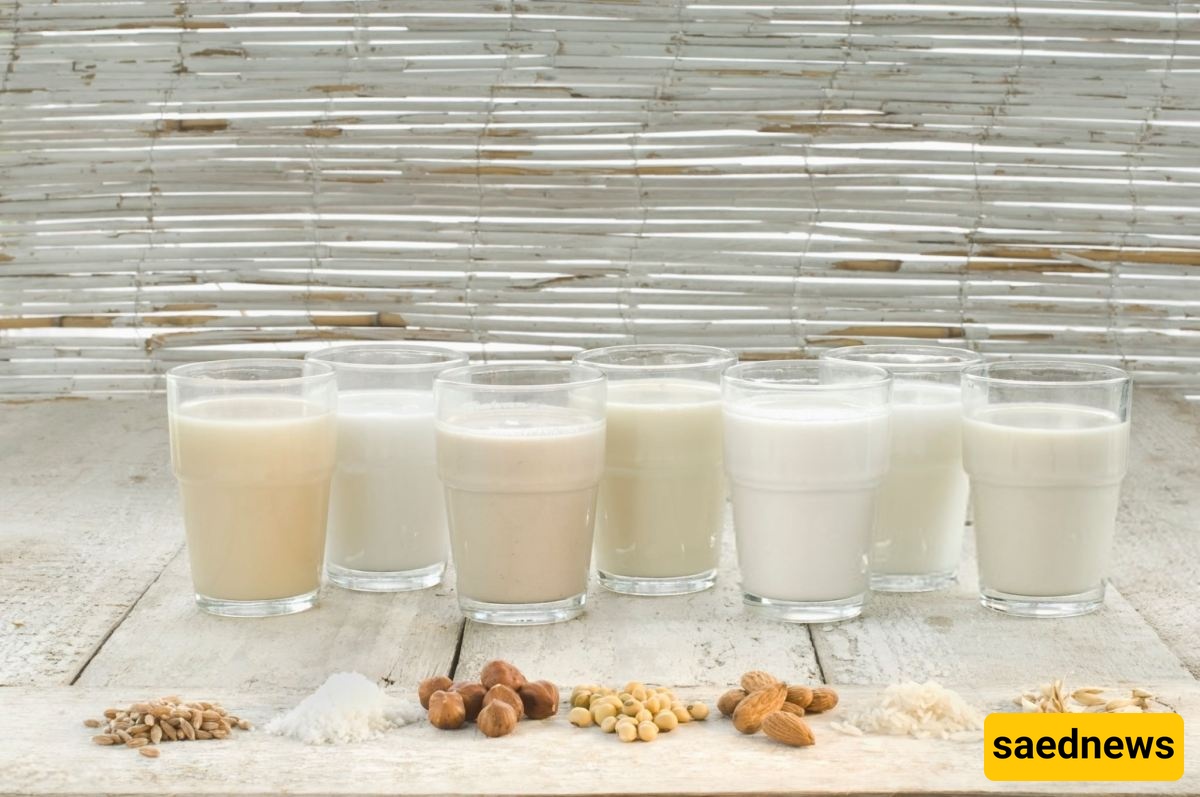
Almond porridge can be adapted with other ingredients to create different flavors and textures.
For children over one year old, sugar can be omitted and a small amount of honey can be added after the porridge has cooled. Honey should never be given to babies under 12 months because of the risk of infant botulism.
A small amount of ground cardamom can add a distinctive aroma and flavor to the porridge.
A few drops of rose water can provide a traditional flavor. Use only a small amount and ensure the product is suitable for food preparation.
Instead of added sugar, one or two soft, mashed dates can be cooked with the other ingredients to provide natural sweetness.
For children who have difficulty gaining weight, almond porridge may be one nutritious addition to a varied diet because almonds provide energy, healthy fats, and protein.
However, almond porridge should not be considered a treatment for anemia, poor weight gain, or other nutritional problems. If a child has anemia, unexplained weight loss, poor growth, or feeding difficulties, a pediatrician should assess the underlying cause and recommend an appropriate diet or treatment.
Although almonds contain some iron, they are not a particularly concentrated source of iron. Pairing plant-based iron sources with foods rich in vitamin C can improve the absorption of non-heme iron.
Almond porridge is more than a simple traditional snack. The combination of ground almonds, milk, and rice flour creates a soft, energy-rich food that can provide protein, healthy fats, carbohydrates, and several essential micronutrients.
Its simple preparation and mild texture make it a practical homemade option for children who are ready for complementary foods. However, it is best served as part of a varied diet rather than as a substitute for other important food groups.
With age-appropriate preparation, careful attention to allergies and food safety, and no unnecessary added sugar, almond porridge can be a wholesome addition to a child's meal routine.