SAEDNEWS: Green tea contains powerful antioxidants that can help boost metabolism. Maintaining the right water temperature and proper steeping time is essential to get the maximum benefits from its properties.
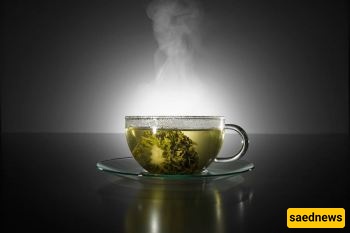
According to Saednews, Green tea is one of the most popular healthy beverages in the world. For centuries, it has been used in Asian cultures as a natural wellness drink. In recent years, numerous scientific studies have explored its potential benefits, especially its role in supporting weight management and fat metabolism.
But the key question is: How should green tea be prepared to get the maximum weight-loss benefits?
This complete guide explains the best way to make green tea for weight loss, along with important tips to help you get the most out of this powerful natural drink.
Green tea is rich in powerful antioxidants called catechins, especially epigallocatechin gallate (EGCG). These compounds may help support metabolism and increase the body’s ability to burn fat.
The natural caffeine in green tea works together with catechins to stimulate thermogenesis (the body’s heat production process), which may increase calorie expenditure.
Research suggests that regular green tea consumption may help:
Increase resting metabolism by around 4–5%
Support fat oxidation
Reduce appetite
Help regulate blood sugar levels
Reduce the accumulation of abdominal fat
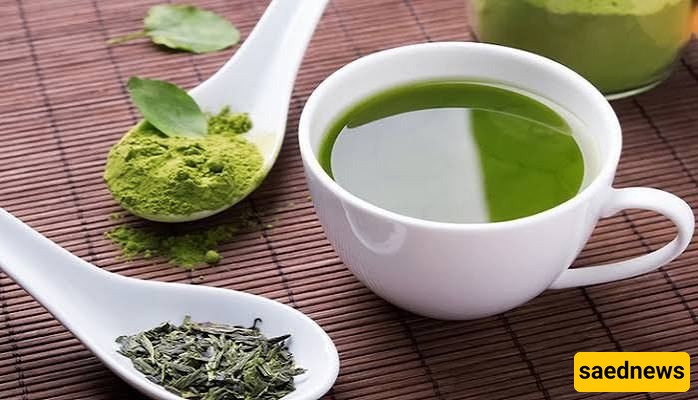
Selecting good-quality green tea is important for getting the best results.
Recommended options include:
Japanese green tea (Sencha or Matcha): Rich in antioxidants
Chinese green tea (Longjing or Jasmine): Mild flavor with beneficial properties
Organic green tea: Free from chemical pesticides and artificial additives
Avoid old, low-quality tea leaves or products containing artificial flavors.
Water quality directly affects both the taste and benefits of green tea.
For the best results:
Use filtered water or mineral water
Avoid heavily chlorinated tap water
Do not repeatedly boil the same water
One of the biggest mistakes when making green tea is using boiling water.
Very hot water can damage some beneficial compounds and create a bitter taste.
Ideal temperature for green tea: 70–80°C (158–176°F)
If you do not have a thermometer:
Boil the water and wait 2–3 minutes before pouring
Or heat the water until small bubbles appear before boiling completely
The standard ratio is:
1 full teaspoon of green tea leaves per 200 ml of water
For weight management, you can slightly increase the amount, but avoid excessive consumption.
Brewing time plays an important role.
Ideal brewing time: 2–3 minutes
More than 5 minutes can make the tea bitter and reduce its quality
Less than 1 minute may not extract enough beneficial compounds
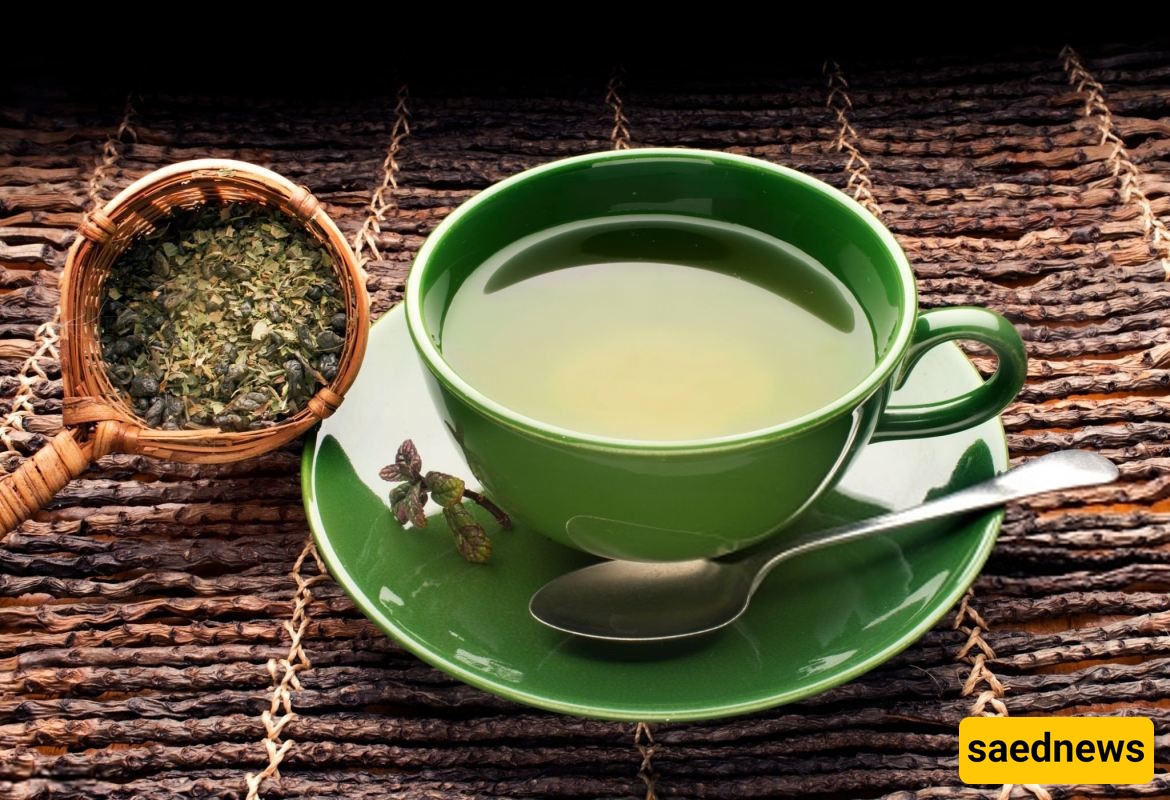
You can enhance green tea by adding natural ingredients:
Fresh lemon contains vitamin C, which may improve the absorption of catechins.
Supports digestion and may enhance metabolism-related benefits.
May help regulate blood sugar and reduce cravings.
Improves digestion and may reduce bloating.
A small amount (one teaspoon) can provide sweetness along with antioxidants.
Important: Avoid adding sugar, cream, or large amounts of milk because they add extra calories and may reduce some benefits.
Drinking green tea in the morning may help activate metabolism.
However, people with sensitive stomachs may prefer drinking it after a light breakfast.
Drinking green tea 30–45 minutes before exercise may support workout performance and fat-burning during physical activity.
Green tea between meals may help control appetite and reduce unnecessary snacking.
Avoid drinking green tea late at night because its caffeine content may interfere with sleep.

For supporting weight management:
Recommended amount: 3–4 cups per day
Maximum amount: 5–6 cups per day
Excessive consumption may cause:
Insomnia
Anxiety
Digestive discomfort
This method creates a smoother taste and preserves many beneficial compounds.
How to prepare:
Add 4 teaspoons of green tea leaves to a pitcher of cold water
Keep it in the refrigerator for 8–12 hours
Strain and serve with ice
Matcha uses the entire tea leaf and contains a higher concentration of antioxidants compared with regular green tea.
Preparation:
Mix 1 teaspoon of matcha powder with 2 tablespoons of hot water (not boiling)
Add 150 ml of hot water
Whisk until smooth and slightly foamy
Ingredients:
1 teaspoon green tea
3–4 slices of fresh ginger
Hot water at around 80°C
Allow it to steep for 3 minutes and serve with lemon.
Green tea alone cannot create major weight loss. For better results:
Reduce refined sugar and processed carbohydrates
Eat enough protein
Include vegetables and fiber-rich foods
Combining green tea with cardio workouts and strength training can improve weight-management results.
Poor sleep can increase cortisol levels and negatively affect fat metabolism.
Aim for 7–8 hours of quality sleep every night.
Since green tea can have a mild diuretic effect, drink enough water throughout the day.
Regular daily consumption for at least 8–12 weeks is usually needed to notice meaningful changes.
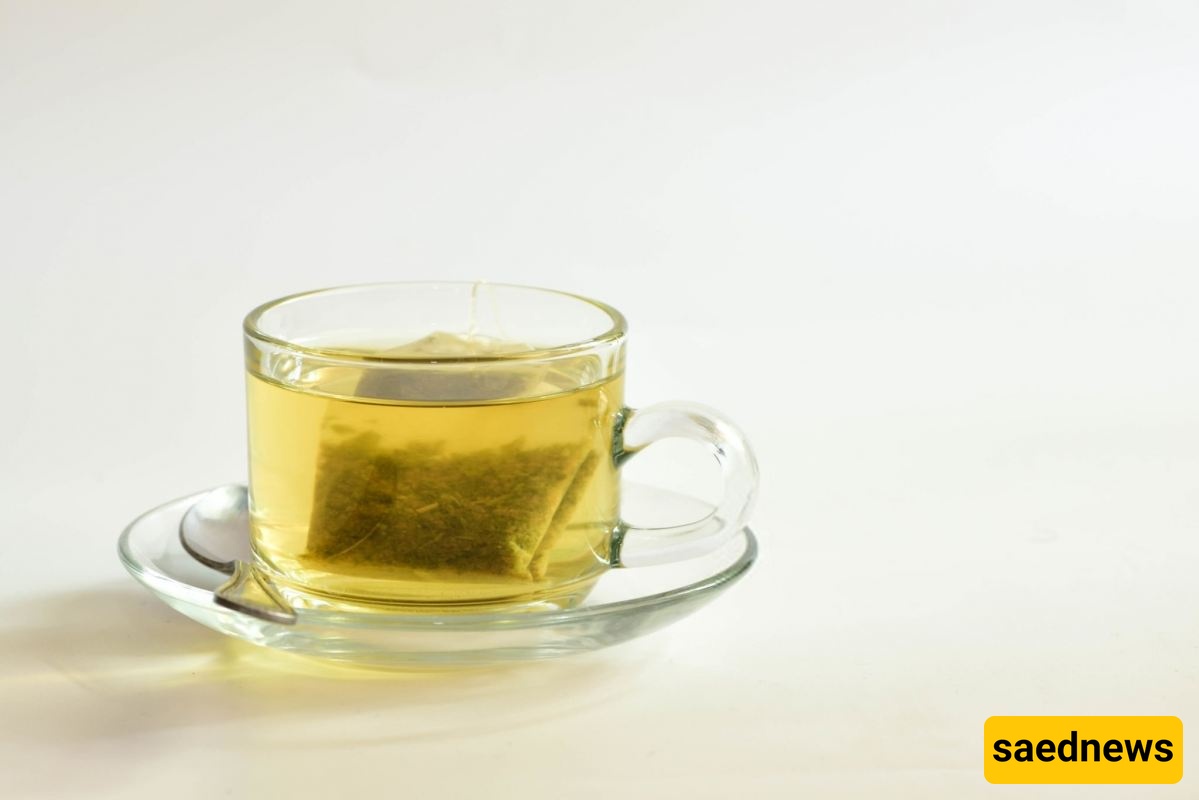
Although green tea is generally safe, some people should be cautious.
Possible concerns include:
Digestive issues: Drinking on an empty stomach may cause discomfort
Iron absorption: Tannins in tea may reduce iron absorption
Pregnancy and breastfeeding: Limit intake and consult a healthcare professional
High blood pressure: Too much caffeine may affect blood pressure
Medication interactions: Keep a gap of at least 2 hours between tea and certain medicines
Tea bags are often lower in quality than loose-leaf tea, but a high-quality tea bag can still provide benefits if loose leaves are unavailable.
Removing caffeine may also reduce some catechins, meaning its weight-supporting effects may be lower compared with regular green tea.
With consistent use, a balanced diet, and regular activity, some people may notice changes within 4–8 weeks.
Milk may reduce the absorption of certain catechins. For maximum benefits, it is generally better to drink green tea without milk.
Green tea is a natural beverage that can support weight management when prepared and consumed correctly. Using the right water temperature (70–80°C), proper brewing time (2–3 minutes), and beneficial additions like lemon or ginger can help maximize its potential benefits.
However, green tea is not a magic weight-loss solution. It works best as part of a healthy lifestyle that includes balanced nutrition, regular exercise, proper hydration, and sufficient sleep.
Drinking 3–4 cups of quality green tea daily while following healthy habits may help support your weight-loss journey.
Always consult a doctor or nutrition professional before making major dietary changes, especially if you have medical conditions or take medications.