SAEDNEWS: Calcium is essential for bone growth and strength. While milk is a major calcium source, some people avoid dairy due to allergies, lactose intolerance, or vegetarian diets. This article explores suitable non-dairy calcium sources.
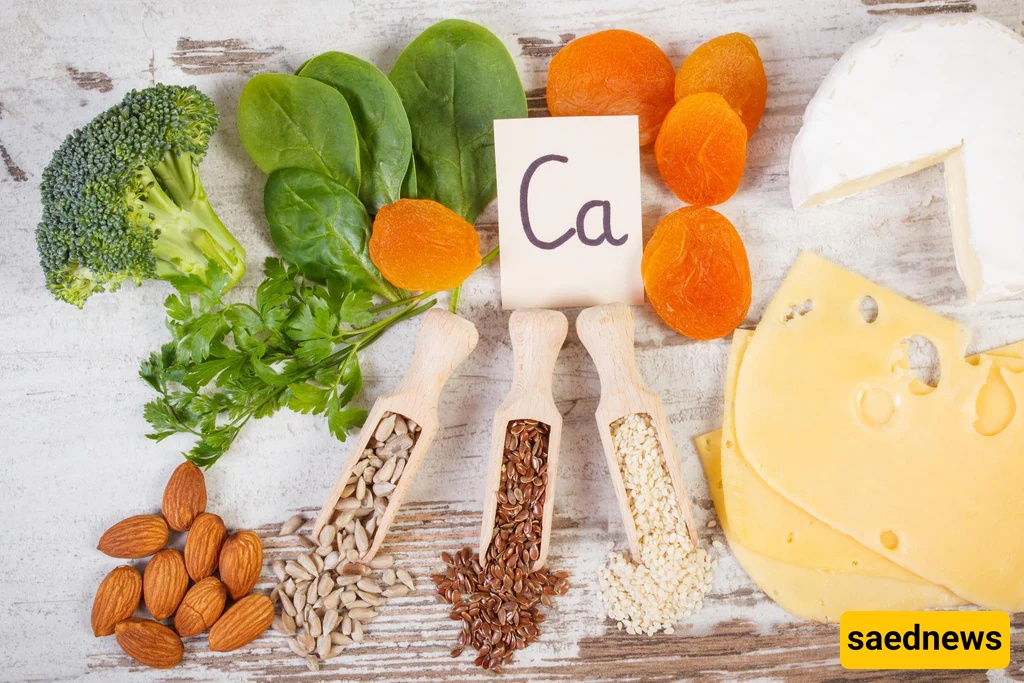
According to SAEDNEWS, Calcium is an essential mineral that plays a key role in maintaining strong bones and teeth. It is also important for nerve function, heart health, and muscle contraction and relaxation.
Milk is one of the best sources of calcium. However, some people avoid cow’s or sheep’s milk due to lactose intolerance, allergies, or following a vegetarian diet.
Avoiding dairy products may lead to lower calcium intake, as dairy foods also provide important nutrients such as phosphorus, protein, and vitamin D. They are considered complete protein sources because they contain all essential amino acids needed for good health.
Fortunately, alternatives such as rice milk, soy milk, coconut milk, and almond milk can replace dairy milk. Soy and rice-based products can provide essential amino acids similar to those found in animal milk.
Over the years, some countries have fortified milk with calcium and vitamin D. Fortified milk can provide about 30 to 40 percent of the body’s daily mineral needs in one glass.
One of the suitable milk alternatives is green vegetables. The darker the color of green vegetables, the higher their calcium content.
In addition, leafy green vegetables are rich sources of magnesium and various minerals that help improve calcium absorption.
By consuming one to two cups of leafy green vegetables, you can provide about 40 to 60 percent of your daily calcium needs. Eating them raw is the best way to benefit from their nutrients, but they can also be added to soups and smoothies.

Green peas are a good source of vitamin K, vitamin A, vitamin C, protein, and calcium. Studies show that green peas can act as a vitamin K supplement and may have a significant role in improving bone density and strength.
Figs are a nutritious fruit rich in fiber, calcium, and antioxidants, making them a healthy snack option. Consuming eight dried figs daily can provide approximately 107 milligrams of calcium.
Fava beans are considered a rich source of calcium. They can be consumed in various ways, including mixed with rice, thyme, and vinegar.
However, people with favism should limit or avoid consuming fava beans.
Sardines and salmon are among the healthiest types of fish. Sardines contain calcium, vitamin D, and omega-3 fatty acids. A serving of sardine fillet can provide approximately 321 milligrams of calcium.
Calcium is found in both the meat and bones of salmon. To benefit fully from salmon, it is better to consume it in canned form, as the soft edible bones contain the highest amount of calcium.
White beans are an excellent source of iron and calcium. One cup of cooked white beans can provide about 191 milligrams of calcium.
To get the most benefits from white beans, it is recommended to eat them cooked and combined with vegetables.