SAEDNEWS: Nutrition plays a very important role in maintaining eye health and vision. By consuming essential nutrients such as vitamin A, lutein, and zeaxanthin, you can help protect your eyes from various types of damage. In this article, we introduce some of the best foods for eye health and vision.
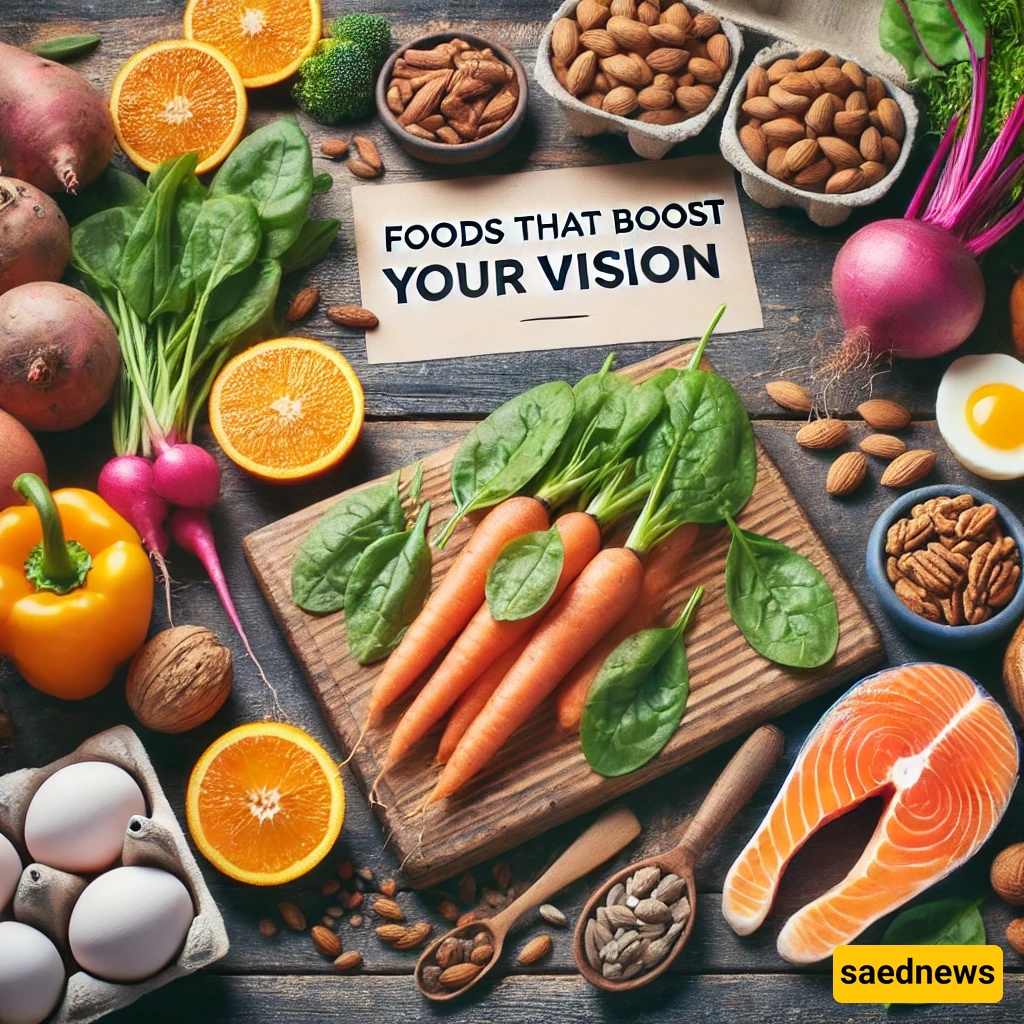
According to SAEDNEWS, All five senses (sight, hearing, touch, smell, and taste) are important for interacting with and understanding the world around us. However, research shows that most people consider vision to be the most valuable sense, and it is easy to understand why. For sighted individuals, most first impressions and the way we perceive our surroundings are largely possible thanks to our eyes. Vision also plays a crucial role in learning, with estimates suggesting that 80 percent of learning occurs through visual pathways.
Considering the importance of the eyes, taking care of them should be a top priority. If you have always received perfect scores during eye exams, you may take your 20/20 vision for granted or assume that you will always have perfect eyesight. Your genetics play an important role in eye health, but research shows that age is the most common factor contributing to common eye diseases. While you cannot slow down the passage of time, you can reduce modifiable risk factors by making small changes to your lifestyle.
Some of the best ways to maintain eye health include scheduling regular eye exams, wearing sunglasses, and eating healthy foods that support vision. That’s right, what you put on your plate can affect your eyesight.
Many people may not realize it, but the foods you eat can influence both eye health and overall well-being. Following a balanced diet can help protect against eye problems and conditions such as age-related macular degeneration, cataracts, and dry eye syndrome. Certain nutrients are specifically targeted to support and maintain eye health.
Almost all essential nutrients benefit your health in some way, but some work specifically to support your eyes and vision. You should aim to consume a variety of nutrient-rich foods, but if you want to know which ones are especially beneficial for your eyesight, keep reading. Both the American Optometric Association (AOA) and the American Academy of Ophthalmology (AAO) recommend the following key nutrients to support eye health:
Lutein and Zeaxanthin: Antioxidants mainly found in dark leafy green vegetables that may help reduce the risk of cataracts and other chronic eye diseases.
Vitamin C: An antioxidant found in many fruits (and vegetables!) that may help slow the progression of age-related macular degeneration and loss of visual acuity.
Vitamin E: An antioxidant found in plant oils, nuts, and vegetables such as sweet potatoes that protects healthy eye tissue from damage caused by free radicals.
Zinc: An essential mineral found in seafood and nuts that may help protect against poor vision and cataracts.
Omega-3 Fatty Acids: Essential fatty acids found in fatty fish, nuts, and seeds that are important for eye health, as well as supporting visual development and tear gland function.
What do these nutrients have in common? Except for omega-3 fatty acids, all of them are antioxidants or have antioxidant properties. According to the nutrition experts consulted, antioxidants are among the most beneficial nutrients for eye health.
The eyes are highly sensitive to oxidative stress. Oxidative stress can contribute to eye diseases, so antioxidants may help protect eye health and reduce the risk of conditions such as glaucoma and diabetic retinopathy.
Eating salmon, which is commonly associated with brain health, is also essential for eye health due to its omega-3 fatty acids called docosahexaenoic acid (DHA) and eicosapentaenoic acid (EPA). Fatty fish are rich in DHA and EPA, which have been shown to support eye health during early fetal development. During fetal growth and the first days of life, the eyes become enriched with omega-3 fatty acids, especially DHA. Pregnant women can support their baby’s eye health by consuming salmon during pregnancy.
While the eye benefits of DHA and EPA in salmon begin before birth, their importance continues throughout life. In people with diabetes, consuming two servings per week of fatty fish such as salmon, tuna, mackerel, and sardines has been shown to reduce the risk of retinal damage caused by diabetic retinopathy.
Salmon is one of the richest dietary sources of DHA. It is also a source of vitamin A and zinc. Few foods contain such a beneficial combination of nutrients for eye health.
The health benefits of broccoli are extensive, including its ability to support eye health. For starters, broccoli is rich in vitamin C, an antioxidant that research has shown can reduce oxidative stress in the eyes and help prevent cataracts. One cup of raw broccoli contains 81.2 milligrams of vitamin C, providing nearly 90 percent of the daily requirement for men and more than 100 percent for women. Broccoli is also a good source of vitamin A. According to a review, its antioxidant content may help prevent age-related macular degeneration.
The antioxidant properties of broccoli are well known, but a lesser-known nutrient called sulforaphane may also enhance its eye-protective benefits. Sulforaphane affects certain disease processes and has been shown to have a positive impact on disease progression in common eye disorders such as glaucoma.

Carrots have long been considered the best food for eye health. This is because carrots are rich in beta-carotene, a pigment that gives orange vegetables their color. While carrots certainly contain high levels of beta-carotene, sweet potatoes actually provide a greater amount of this beneficial pigment. One serving of cooked carrots provides 8.3 milligrams of beta-carotene, while the same serving of cooked sweet potatoes contains 11.5 milligrams of this nutrient.
Beta-carotene is beneficial because the body converts it into vitamin A, which is essential for good vision. The beta-carotene in sweet potatoes helps the eyes adjust to low-light conditions. To get the most beta-carotene and vitamin C from sweet potatoes, it is recommended to boil them with the skin on.
Walnuts are excellent foods for eye health and vision because they contain nutrients such as vitamin E, zinc, and omega-3 fatty acids. They are particularly rich in alpha-linolenic acid (ALA), a plant-based form of omega-3. The body can convert ALA into DHA and EPA, making walnuts a good source of omega-3s for vegetarians and vegans who do not consume fatty fish.
Research suggests that the ALA found in walnuts may be especially beneficial for people with diabetes-related eye problems. ALA may help improve dry eye symptoms and diabetic retinopathy. High blood sugar levels can negatively affect the blood vessels in the eyes, so fiber-rich foods that help stabilize blood sugar may further support eye health in people with diabetes.
In addition to these nutrients, vitamin E is an antioxidant commonly found in healthy fats. Vitamin E and other polyphenols in walnuts help reduce inflammation and protect against damage caused by free radicals. Walnuts also provide zinc, a mineral that is highly concentrated in the retina of the eye.
Eggs, a popular breakfast food, may be a great choice for supporting eye health. Egg yolks are a highly bioavailable source of a type of carotenoid called lutein. Lutein has been shown to reduce the risk of age-related macular degeneration.
One study found that moderate egg consumption was significantly associated with a lower risk of developing age-related macular degeneration. As one of the most important nutrients for eye health, the benefits of lutein do not end there. Lutein and zeaxanthin, another carotenoid found in eggs, may improve low macular pigment levels in older adults. Low macular pigment is a risk factor for age-related macular degeneration, which can cause gradual and sometimes complete vision loss over time. Mortiarty referred to an earlier study showing a link between egg consumption and increased macular pigment levels in older adults.
Egg yolks are also a source of other eye-supporting nutrients, including zinc and vitamin A.