SAEDNEWS: Learn How to Prepare More Delicious Ghormeh Sabzi in This Article (Important Ghormeh Sabzi Cooking Tips)
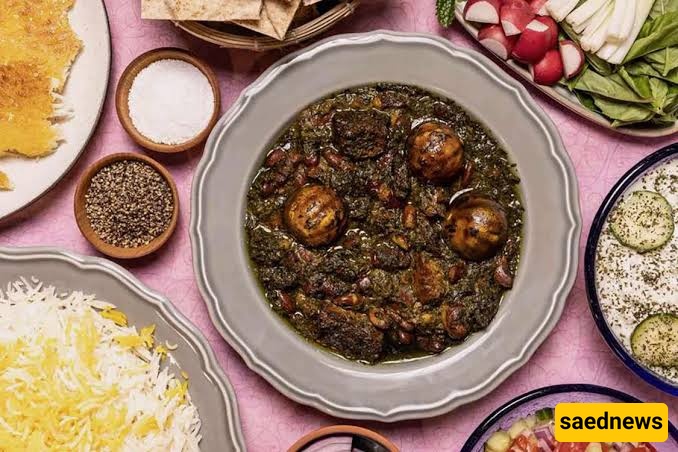
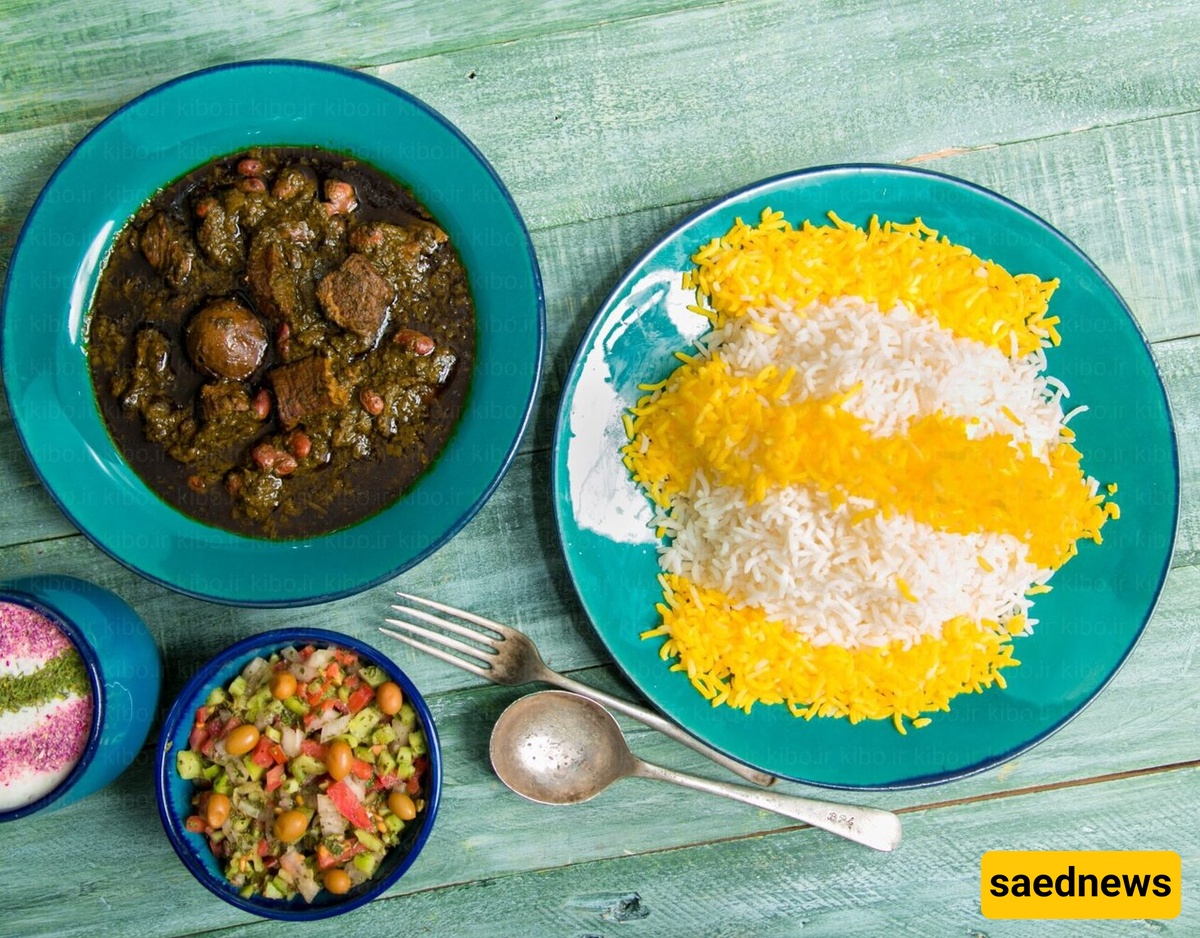
According to Saednews, Preparing a delicious and perfectly cooked Ghormeh Sabzi is a secret that every Iranian cook loves to master. This traditional Persian stew, made with a combination of fresh herbs, stew meat, and red or pinto beans, is one of the most popular Iranian dishes. Its unique aroma and rich flavor attract everyone; however, achieving the ideal color, texture, and taste requires following a few important cooking tips.
1 large onion
Chopped mixed herbs specially prepared for Ghormeh Sabzi
Pinto beans or red kidney beans
Lamb stew meat
Dried Persian limes (limoo amani)
Salt, black pepper, and turmeric as needed
For the best result, soak the beans overnight before cooking. Depending on your preference, you can use either red kidney beans or pinto beans. Soaking helps reduce bloating and allows the beans to cook faster and more evenly.
First, finely chop the onion and sauté it with some oil in a pot until it becomes slightly translucent. Add washed and chopped lamb pieces and continue frying them with the onion.
Try not to cut the meat into very large pieces, as larger pieces take longer to cook. Add some turmeric and black pepper, then sauté until the spices are absorbed into the onion and meat, creating a rich aroma.
Drain the soaked beans and add them to the pot with the meat and onions. Sauté them briefly, then add about three cups of water.
Reduce the heat and allow the meat and beans to cook slowly. This process usually takes around two hours until the ingredients become tender.
Finely chop the Ghormeh Sabzi herbs and fry them separately in a little oil. The longer you fry the herbs, the darker and richer the color of the stew will become.
After approximately one hour of cooking the meat and beans, add the fried herbs to the pot. Allow the meat, beans, and herbs to continue cooking together until the flavors blend completely.
Soak the dried Persian limes in warm water for about one hour to soften them. Cut them in half with a knife and remove the seeds. Add them to the stew approximately one hour before the cooking process is finished.
Important tip:
Dried Persian limes can make the stew taste bitter if not prepared correctly. Always remove the seeds before adding them. Adding the limes too early may also slow down the cooking process of the meat and affect the final texture of the stew.
About 15 minutes before the stew is completely cooked, taste it and adjust the seasoning. Check the salt, spices, and sourness level, and add more if needed.
When the stew becomes thick, well-developed, and releases oil on the surface, transfer it to a serving dish and enjoy it with steamed Persian rice.
How to Make an Even More Flavorful Ghormeh Sabzi
To prepare a restaurant-quality and well-cooked Ghormeh Sabzi, several cooking techniques should be followed.
Allowing the stew to release oil naturally improves both its appearance and flavor. A stew with visible oil on the surface usually has a richer taste and a more traditional texture.
One of the most important factors affecting the final color and quality of Ghormeh Sabzi is how well the herbs are fried. Properly sautéed herbs create a darker color and a deeper flavor, giving the stew its classic appearance.
Traditional Ghormeh Sabzi Herb Mixture
The traditional herb mixture for Ghormeh Sabzi usually includes:
Leeks
Cilantro
Parsley
Fenugreek
Spinach
The exact combination can vary in different regions of Iran. Depending on personal preference, aromatic herbs such as mint, green garlic, and dill can also be added.
However, maintaining the correct balance between herbs is essential. Avoid using too much fenugreek because it can make the stew taste bitter.
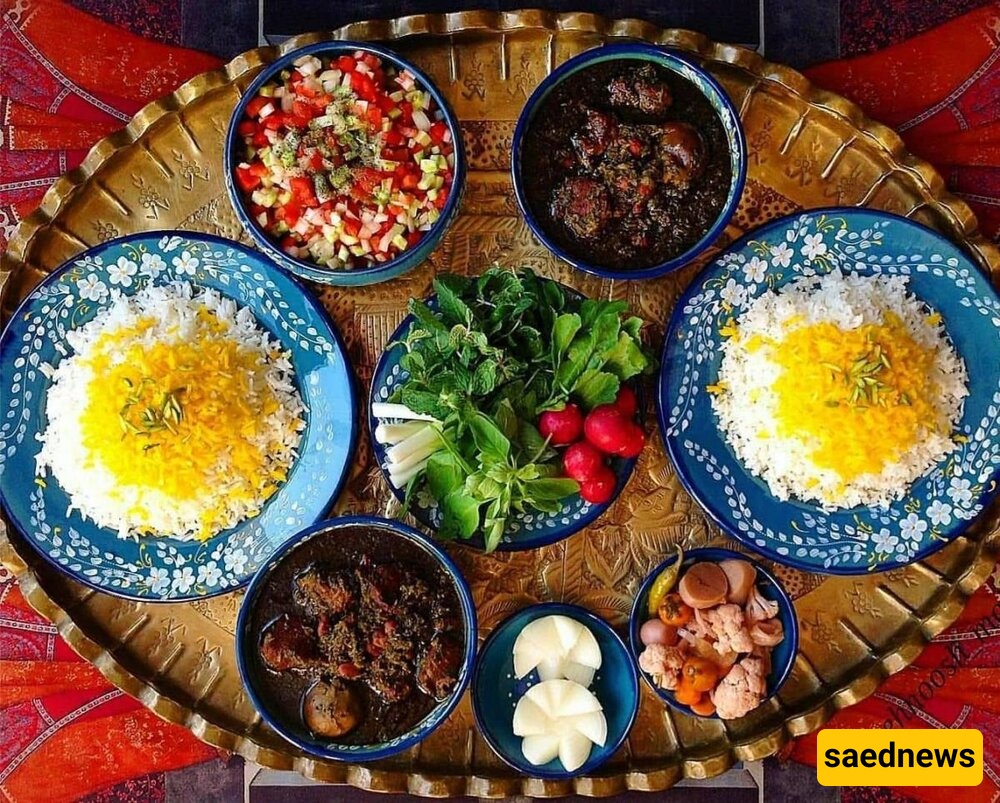
Making a rich, traditional, and well-settled Ghormeh Sabzi is considered a true cooking skill, often seen in high-quality restaurants.
A perfectly cooked Ghormeh Sabzi should have:
A smooth and unified texture where all ingredients blend together
Meat, beans, and herbs that remain integrated with the stew rather than separating from the liquid
A beautiful appearance with a layer of oil visible on the surface
A thick consistency with deep flavor
At the final stage, allow the stew’s excess water to evaporate slowly until it begins releasing oil. This slow cooking process creates the authentic, rich, and perfectly developed Ghormeh Sabzi that Persian cuisine is famous for.