SAEDNEWS: The SOCAR Tower in Baku, standing 200 meters tall with 21 floors, is not only a modern office building but also a symbol of Azerbaijan’s economic growth and industrial development, constructed using advanced technologies and sustainable design principles.
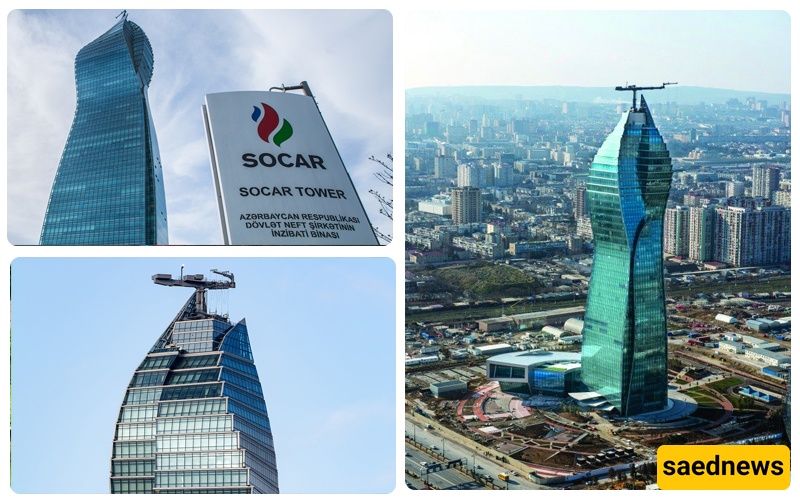
According to Saednews, Baku, the capital of Azerbaijan, is a city that combines a rich history with modernity. One of its iconic modern projects is the SOCAR Tower. This tower is not only an office building but also a symbol of Azerbaijan’s economic growth and industrial development.
The SOCAR Tower was designed in 2010, and its construction was completed in 2013. The project was built as the headquarters of the State Oil Company of Azerbaijan Republic (SOCAR) and quickly became one of the main landmarks of Baku. The tower was designed by renowned international architects and successfully integrates both administrative and environmental considerations.
The SOCAR Tower stands over 200 meters tall and has 21 floors, making it one of the tallest buildings in Baku. Its design incorporates modern technologies and high-quality materials, resulting in a sustainable and aesthetically striking structure. The façade is designed to allow natural sunlight to penetrate the building efficiently, reducing energy consumption and supporting solar energy use.
The interior of the SOCAR Tower is designed to provide comfort and efficiency for its users. Conference rooms, offices, and shared spaces are all planned to enhance productivity and teamwork. In addition, the presence of green spaces and rest areas inside the building helps create a balance between work and relaxation.
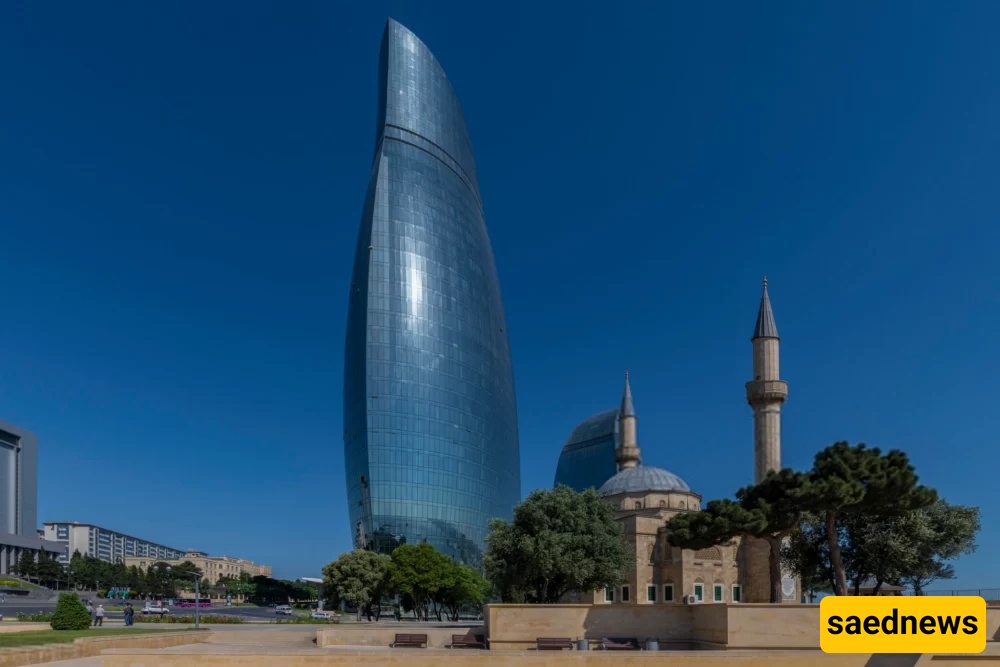
As the headquarters of SOCAR, the tower plays an important role in Azerbaijan’s economy. SOCAR is one of the largest oil and gas producers in the region, and its operations significantly contribute to the country’s economic development. The tower’s strategic location in Baku, near the Caspian Sea, provides a key advantage for oil and gas trade and exports.
With the establishment of the SOCAR Tower, new job opportunities were created in various fields. These include administrative, technical, and specialized roles within the oil and gas industry. This has contributed to reducing unemployment and improving economic conditions in the region.
The SOCAR Tower is not only a physical structure but also a symbol of Azerbaijan’s social and economic progress. By providing public spaces, it encourages interaction and engagement among people. Cultural and artistic events held around the tower further enrich local culture and strengthen social connections.
One of the key aspects of the tower’s design is its focus on environmental sustainability. The use of renewable energy and green design principles demonstrates its commitment to environmental protection. Additionally, surrounding green areas contribute to improving the quality of life for residents.
The SOCAR Tower utilizes advanced technologies, making it a symbol of innovation in Azerbaijan. Smart systems for energy management, ventilation, and security are integrated into the building. These technologies not only improve operational efficiency but also enhance the user experience.
Given Azerbaijan’s economic growth and the tower’s strategic importance, the SOCAR Tower is expected to remain a key commercial and administrative hub in the future. Moreover, additional development projects around the tower may further enhance the vibrancy and dynamism of the area.
1. When was the SOCAR Tower completed?
The SOCAR Tower was completed in 2013 and began operation as the headquarters of SOCAR.
2. How tall is the SOCAR Tower?
The tower is over 200 meters tall, making it one of the tallest buildings in Baku.
3. What technologies are used in the SOCAR Tower?
It uses smart systems for energy management, modern ventilation systems, and advanced security technologies.
4. What is the economic impact of the SOCAR Tower?
As SOCAR’s headquarters, it plays a key role in job creation and economic growth in Azerbaijan.
5. Does the SOCAR Tower consider environmental issues?
Yes, it incorporates sustainable design principles and uses renewable energy sources.