SAEDNEWS: Cook Mashhadi Sholeh by slowly simmering cracked wheat (bulgur), rice, legumes, and meat until the ingredients blend into a thick, hearty stew. Traditionally, it is served with Gheymeh (Persian split pea stew) and without pickled vegetables.
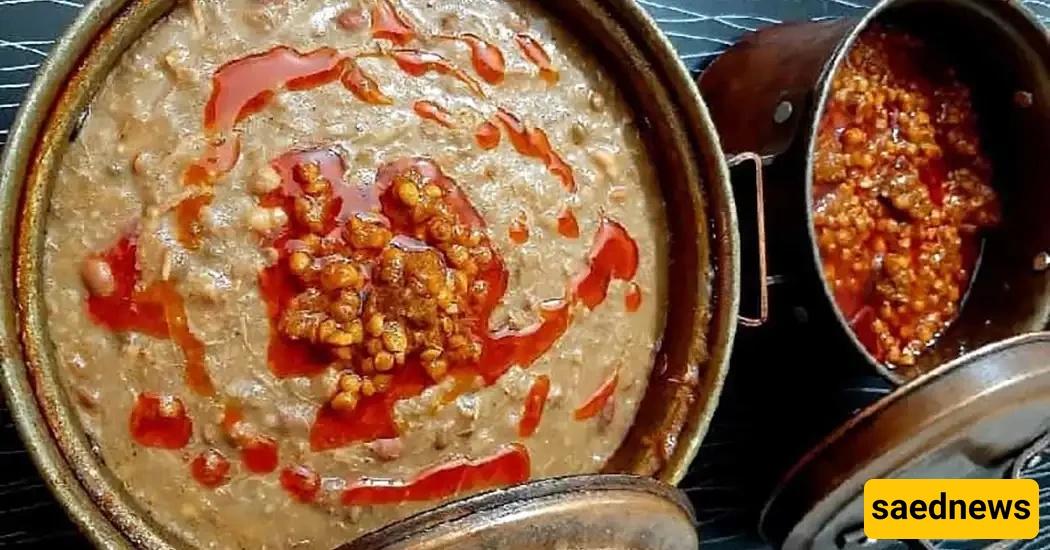
According to Saednews, It is almost impossible to visit Mashhad without trying Sholeh, one of the city's most famous and beloved traditional dishes. Renowned throughout Iran, Mashhadi Sholeh is especially popular during Muharram, when it is commonly prepared as a charitable meal (Nazri). It is traditionally served with a few spoonfuls of Gheymeh stew, creating a rich and unforgettable combination. Although its appearance may seem unusual at first glance, its hearty flavor leaves a lasting impression. Because preparing Sholeh requires patience and hours of cooking, it is rarely made at home. However, if you'd like to recreate this iconic Khorasani specialty, follow the recipe below.
Mashhadi Sholeh is a traditional Persian dish originating from the city of Mashhad in northeastern Iran. It is generally prepared for religious occasions, particularly during Muharram and the holy month of Ramadan. Due to its nutritious ingredients and high protein content, it is also considered an excellent meal for Suhoor (the pre-dawn meal during Ramadan), providing long-lasting energy and fullness.
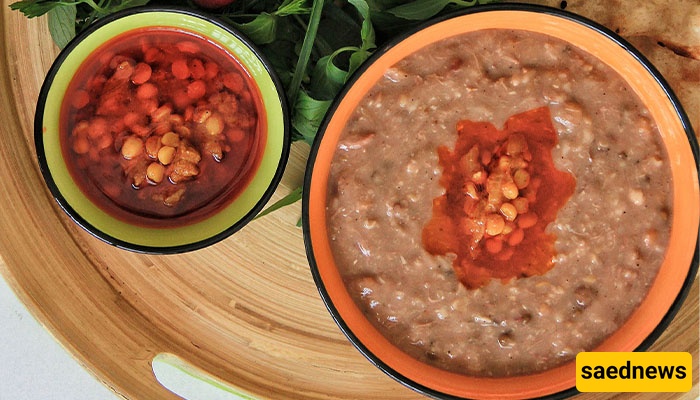
In Mashhad, serving Sholeh is also a symbol of hospitality, and many families prepare it when welcoming special guests.
300 g (10.5 oz) lamb or beef
1 cup cracked wheat (bulgur)
⅓ cup rice
⅓ cup white beans
⅓ cup lentils
½ cup pinto beans
1 onion, finely diced
½ whole nutmeg, grated
½ teaspoon red pepper
Salt, turmeric, and cinnamon, to taste
For Serving
Traditional Persian Gheymeh stew (prepared in advance)
Important: Mashhadi Sholeh is traditionally served with Gheymeh, so prepare the stew before making the Sholeh.
The day before cooking, soak the beans, lentils, cracked wheat, and rice separately in water. Replace the soaking water every three hours to reduce gas and soften the legumes, helping them cook more evenly.
The next day, cook the white beans, pinto beans, and lentils individually in separate pots. Since each legume has a different cooking time, cooking them separately ensures they all reach the perfect texture.
Sauté the diced onion until golden.
Add turmeric and red pepper.
Pour in enough water to cover the meat and cook until completely tender.
Once fully cooked, shred the meat into fine strands.
Although this step takes time, it is essential for achieving the authentic texture of Sholeh.
Place the cracked wheat in a large pot and add enough water to cover it by about two finger-widths.
Cook over low heat until it becomes thick and creamy.
Add the rice and continue cooking for approximately 15 minutes, stirring frequently to prevent sticking.
If the mixture becomes too thick before the rice is fully cooked, add a little boiling water.
Transfer the cooked cracked wheat and rice to a large cooking pot.
Add one cup of the meat broth along with all the cooked legumes.
Cook over low heat while stirring constantly to prevent burning.
This is the most labor-intensive part of making Sholeh, as continuous stirring is necessary for the proper consistency.
Once the ingredients have softened and blended together, add the shredded meat.
Season with:
Grated nutmeg
Salt
Turmeric
Cinnamon
Red pepper
Add the spices gradually rather than all at once to ensure they distribute evenly throughout the dish.
Continue cooking the mixture over low heat for about 3 hours, stirring regularly.
The longer it cooks and the more frequently it is stirred, the richer the flavor and the smoother, stretchier texture become.
After three hours, stir in a small amount of oil.
Traditional Kermanshahi clarified butter or cooking oil adds exceptional aroma and flavor.
Cover the pot with a clean kitchen towel beneath the lid and allow the Sholeh to steam over very low heat for another hour.
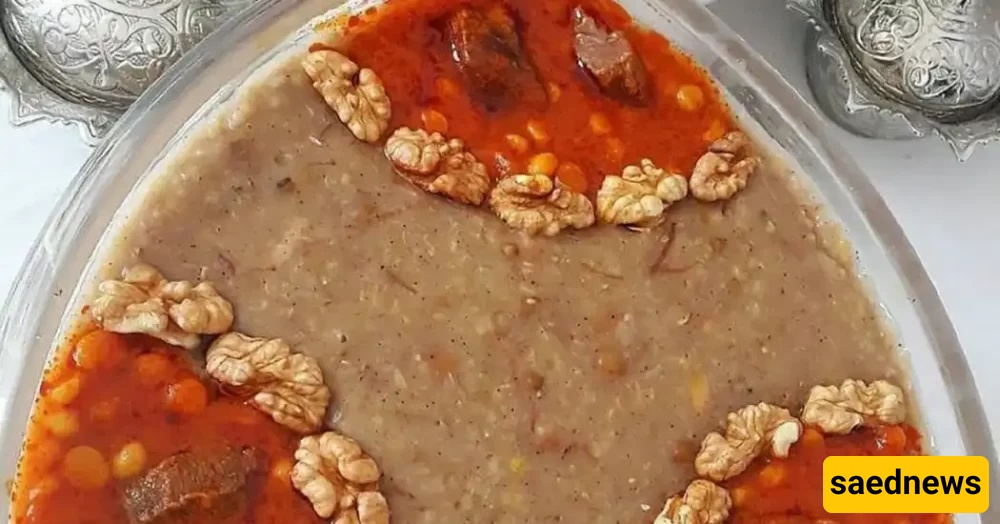
After approximately 4 hours of cooking, your Mashhadi Sholeh is ready.
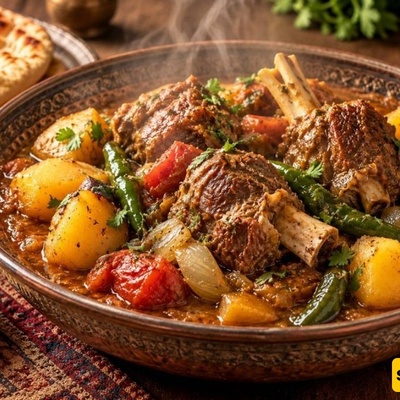
Serve it in bowls with several spoonfuls of warm Persian Gheymeh stew on top.
Enjoy while hot.
Using bone broth instead of water creates a richer, deeper flavor.
Avoid making the dish overly salty or spicy.
Constant stirring is essential for preventing the mixture from sticking and achieving the correct consistency.
Use oil sparingly, as too much can overpower the dish.
The Gheymeh served with Sholeh differs from regular Persian Gheymeh. It should not contain sour ingredients such as dried lime or lemon juice. It is thicker, and the meat pieces are much smaller.
Although Mashhadi Sholeh and Haleem are both slow-cooked Persian comfort foods, they differ significantly.
Haleem is prepared primarily with cracked wheat and meat, resulting in a smooth, creamy texture.
Mashhadi Sholeh, on the other hand, contains rice and several types of legumes in addition to cracked wheat. This gives it a heartier texture, with visible beans and lentils throughout the dish.
Mashhadi Sholeh is one of the most iconic and cherished traditional dishes of Khorasan Province. It is deeply connected to religious gatherings, especially during Muharram and Ramadan, when it is lovingly prepared as a Nazri meal and shared with family, friends, and the community.
Although making Sholeh requires several hours of cooking and constant stirring, the result is a rich, flavorful, and nourishing dish well worth the effort. For the most authentic experience, always serve it with traditional Persian Gheymeh and enjoy one of Iran's most celebrated culinary specialties.