SAEDNEWS: When abgoosht is cooked in a clay pot, it develops a subtle but important difference: it heats up more slowly, simmers more evenly, and allows more time for the flavors to fully blend and “settle.”
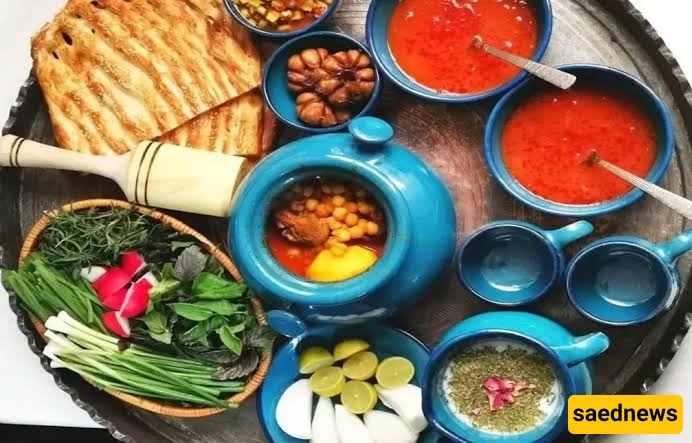
According to Saednews, When Abgoosht (a traditional Iranian meat and legume stew) is cooked in a clay pot, it develops a subtle but important difference: it heats more slowly, simmers more evenly, and allows flavors more time to fully “blend and mature.” This gentle cooking process is what transforms Abgoosht from a simple dish into a deeply flavorful and memorable meal.
If your clay pot is new and has never been exposed to heat, it is best to prepare it before the first cooking. Unglazed clay or porous pots can be sensitive to sudden temperature changes if placed directly on heat while completely dry.
A common recommendation is to soak the pot (and its lid, if it has one) in water for several hours. This allows moisture to enter the pores of the clay and reduces the risk of cracking.
After soaking, wash the pot with lukewarm water and a soft sponge, then dry it completely. Even glazed pots benefit from this gentle handling because the main goal is to avoid thermal shock. Most importantly, never place an empty clay pot directly on a flame, and always avoid sudden temperature changes.
Clay pots perform best under low heat. Instead of increasing the flame to make food boil faster, use gentle heat and give the pot time to warm gradually. A heat diffuser is highly recommended to distribute heat evenly and prevent one area from overheating.
Also, never place a hot clay pot on cold surfaces such as stone or metal sinks. If you need to move it, place it on a wooden board or heat-resistant mat and allow it to cool gradually. These simple precautions significantly extend the lifespan of the pot.
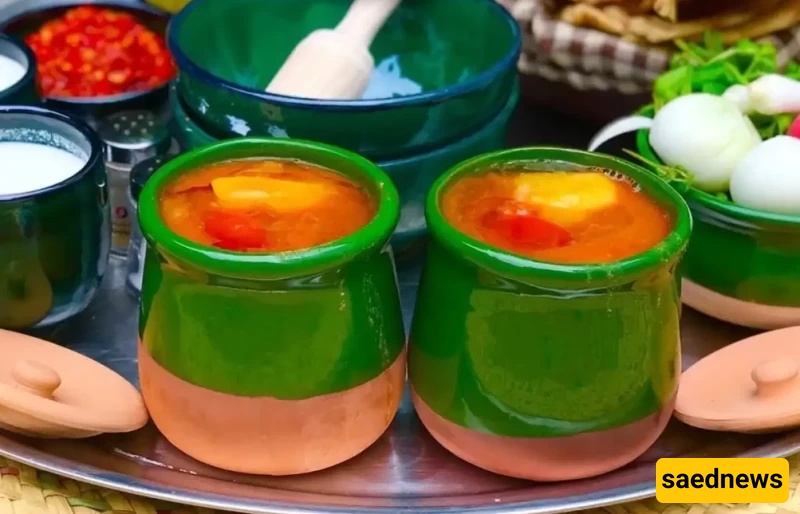
Cooking in a clay pot requires patience, but the result is deeply rewarding.
Meat: 500–700 g lamb or beef (preferably bone-in cuts with some fat, such as shoulder or leg)
Onion: 2 medium
Potatoes: 3–4 medium
Legumes: 1 cup (a mix of white beans, chickpeas, and lentils)
Tomato paste: 2 tablespoons
Oil: 2 tablespoons
Turmeric: 1 teaspoon
Black pepper: ½ teaspoon
Oregano or “Golpar” (optional but highly aromatic): ½ teaspoon
Salt: to taste
Water: 6–8 cups (as needed)
Flatbread (such as sangak or barbari), fresh herbs, onions, and vegetables.
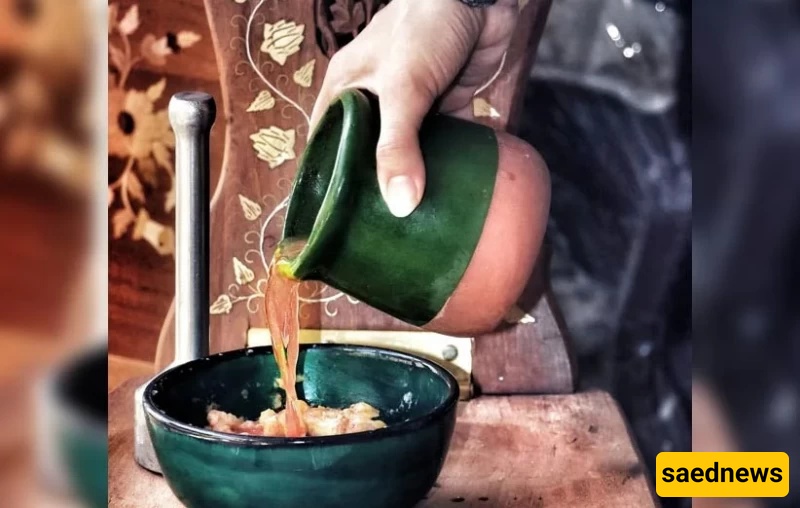
Soak the legumes
Soak beans and chickpeas overnight to reduce cooking time and improve digestion.
Prepare the clay pot
If new, soak it beforehand. Lightly wet the base before cooking to reduce heat stress.
Start cooking on low heat
Place the clay pot on very low heat. Never use high flame; use a heat diffuser if needed.
Cook onions
Add oil and chopped onions. Cook slowly until soft and lightly golden (10–15 minutes).
Add meat
Add meat pieces and sauté until they change color on all sides.
Add spices
Add turmeric and black pepper; stir for about 1 minute to release aroma.
Add tomato paste
Stir and sauté briefly to remove raw taste.
Add legumes and water
Add drained legumes, then pour in boiling water slowly to avoid thermal shock. Water should cover ingredients by about 2–3 cm.
Slow simmering
Cover and cook on the lowest heat for 2.5–3 hours.
Add potatoes later
After about 2 hours, add peeled and chopped potatoes.
Final seasoning
Add salt and optional spices (like Golpar). Cook for another 45–60 minutes until everything is tender.
Finish cooking
The dish is ready when meat easily separates from bones and potatoes are fully soft.
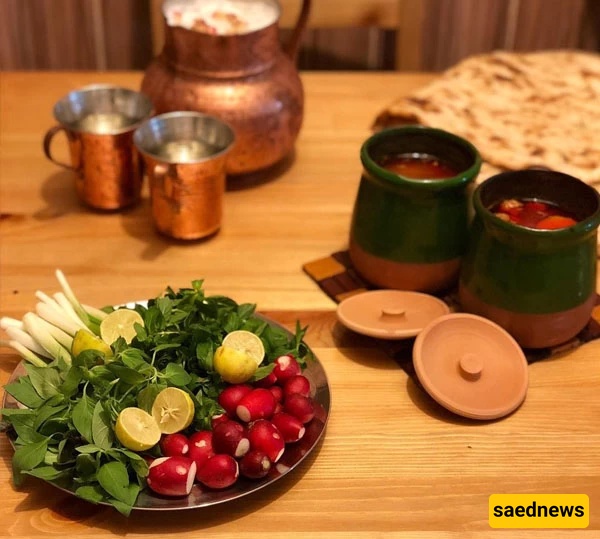
To protect the pot and improve flavor, it is better to place ingredients inside first and then add warm or room-temperature water, rather than heating an empty pot.
Sautéing should be very gentle, as clay pots are not designed for high-heat frying. Once the liquid begins to simmer gently, skim off any foam to improve clarity and flavor.
Potatoes should be added in the second half of cooking to prevent them from breaking down. Tomato paste can be added early or mid-cooking depending on desired flavor intensity. Salt should be added later, as early salting can slow down the cooking of legumes.
True “well-developed” Abgoosht means a deep, layered taste and slightly thickened broth. This is achieved through slow cooking in a clay pot, which distributes heat evenly.
Keep the flame very low at all times. Rapid boiling reduces broth quality and can dry out the meat. Avoid frequently lifting the lid, as this releases heat and steam.
If the stew becomes too thick, add only hot water—not cold—to avoid thermal shock and cooking interruption.
Always cook on low heat for a long time
Use a heat diffuser if needed
Bone-in meat enhances flavor significantly
Always add boiling water during cooking
For oven cooking: bake at 150°C for 3–4 hours after initial sautéing