SAEDNEWS: Torshi Liteh is one of the most popular traditional Iranian pickles. It has a soft texture and a unique, rich flavor. It is commonly served alongside dishes such as Abgoosht (Iranian stew) and kebabs, and it is known for its many health benefits.
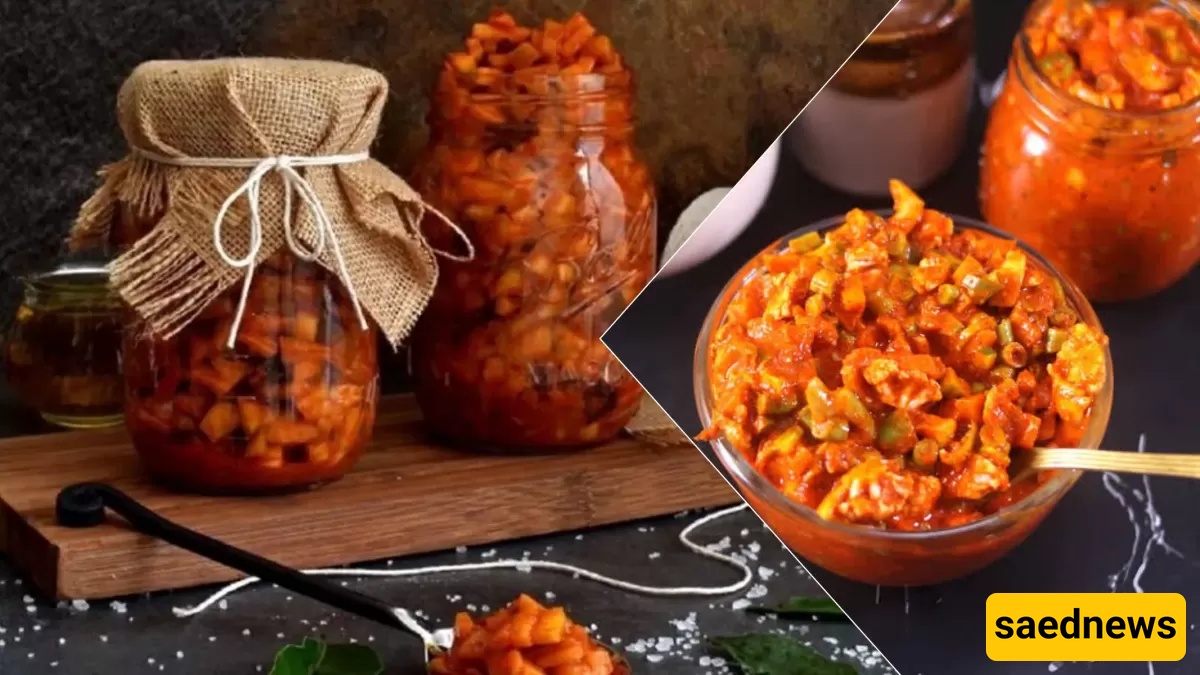
According to Saednews, Torshi Liteh is one of the most popular and widely loved traditional Iranian pickles. With its unique aroma and delicious taste, it holds a special place on Iranian dining tables. This flavorful pickle is often served alongside dishes such as Abgoosht (Persian stew), various stews, and kebabs. It enhances the taste of meals and is considered a healthy and nutritious condiment due to its beneficial properties.
Torshi Liteh originates from the culinary culture of different regions of Iran, especially the northern and western provinces. The word “Liteh” in local dialect means mashed or crushed, referring to the soft, blended texture of its ingredients. In the past, this pickle was a traditional method for preserving summer vegetables for long-term use during colder seasons. In this article, we will explore the complete preparation method, ingredients, essential tips, and secrets to making this authentic Iranian pickle.
Torshi Liteh is rich in vitamins and essential minerals. The tomatoes used in it are a rich source of lycopene and antioxidants. Eggplants contain high fiber and potassium. Hot green peppers help boost metabolism and improve digestion. Additionally, vinegar acts as a disinfectant and supports digestive health.
To prepare high-quality and delicious Torshi Liteh, you will need:
Eggplant: 1 kg (preferably firm, meaty eggplants)
Tomatoes: 750 g (ripe and firm)
Hot green peppers: 200 g (adjust according to taste)
Fresh mint: 1 large bunch
Garlic: 2–3 cloves (optional)
White vinegar or grape vinegar: as needed (about 2–3 cups)
Salt: 2 tablespoons
Turmeric: 1 teaspoon
Coriander seeds: 1 teaspoon (optional)
Wash the eggplants and peel them in a striped pattern. Then chop them into slices or small cubes. To reduce bitterness, soak them in salted water for about 30 minutes and then drain.
Heat some oil in a pot and sauté the eggplants for 10–15 minutes until softened. Add chopped tomatoes and cook until their water evaporates. Then add chopped green peppers.
Add salt, turmeric, and coriander seeds. Stir well and let the mixture cook on low heat for about 5 more minutes.
Wash and finely chop the fresh mint. Grate or crush the garlic cloves. Add them to the mixture, then turn off the heat and allow it to cool slightly.
Mash the cooked ingredients using a hand masher or electric blender until smooth and uniform. Some people prefer a completely smooth texture, while others leave small chunks.
Transfer the mixture into a clean, dry glass jar. Slowly add vinegar until it fully covers the mixture. The vinegar level should be about 2–3 cm above the ingredients.
Seal the jar tightly and store it in a cool, dark place for 2–3 weeks to allow the flavors to fully develop.
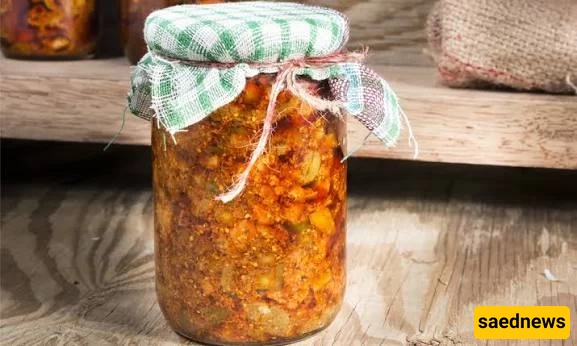
In northern Iran, this pickle is made with local aromatic herbs such as Chuchagh, Khalvash, and pomegranate, giving it a sweet and sour flavor.
In Kurdish regions, it is prepared with pomegranate paste and wild aromatic herbs, resulting in a tangier and spicier taste.
In Shiraz, dried mint, golpar (Persian hogweed), and other fragrant herbs are added, creating a highly aromatic pickle.
Always use fresh and firm ingredients
Adjust spiciness according to taste
Use high-quality vinegar (grape, white, or apple vinegar)
Maintain proper ingredient ratios for balanced texture
Sterilize glass containers before use
Store in a cool, dark place away from direct sunlight
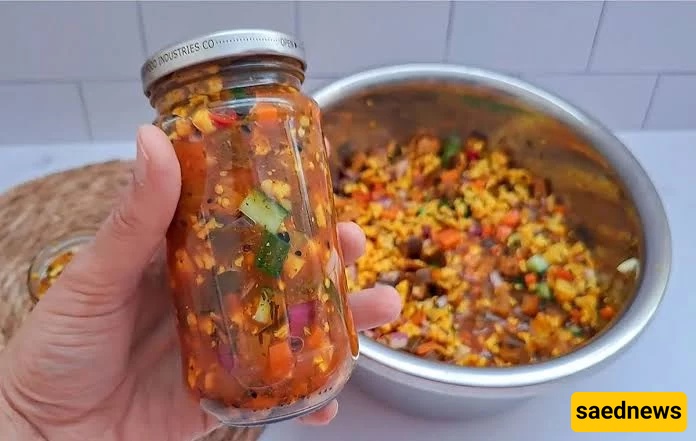
Under proper conditions, Torshi Liteh can be stored for up to 6 months.
To extend shelf life:
Always use a clean and dry spoon
Seal the jar tightly after each use
Prevent water from entering the container
Discard if any mold appears
Yes. Some people prepare it raw by finely chopping ingredients and mixing them directly with vinegar. This version has a fresher and crunchier taste.
Mold usually forms due to moisture, unsterilized containers, or warm storage conditions.
Fresh eggplant is recommended because frozen eggplant releases water after thawing and can affect texture.