SAEDNEWS: Nokhodchi is chickpeas that are prepared by hand using special tools and then cooked or roasted. Learn more about the benefits of Nokhodchi.
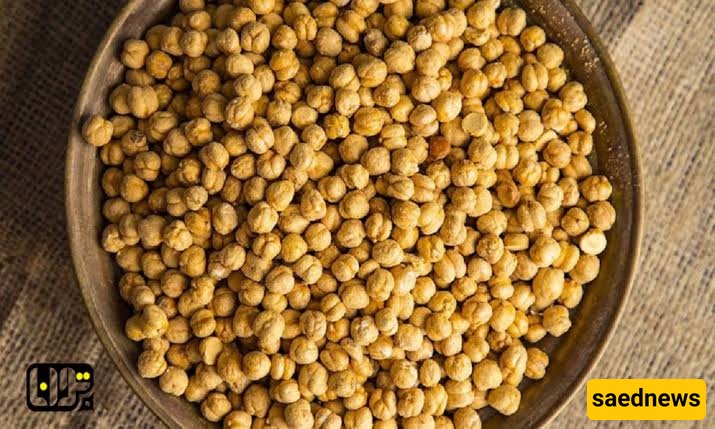
According to Saednews, Chickpea (scientific name: Cicer arietinum) is an edible seed (legume). The chickpea plant is an annual, short bushy plant from the legume family, reaching a height of about 30 cm.
Its stem is covered with glandular hairs. The branches are thin, and its small leaves are compound, consisting of 13 to 17 small toothed leaflets. The flowers are white.
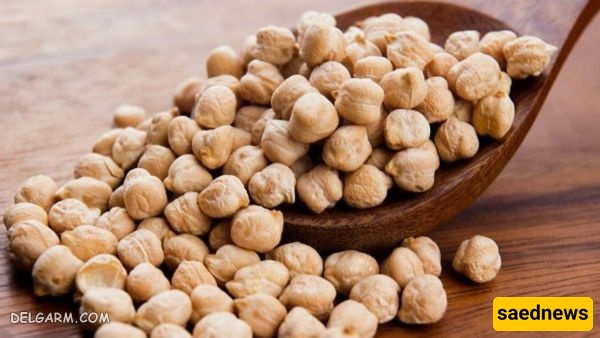
Nokhodchi is chickpea that is cooked using special tools by skilled producers and is exported to Asian and European countries.
“Nokhodchi” (Turkish: leblebi; Arabic: qadāmah / qadamah; Persian: nokhodchi; Sicilian: calia) is a snack made from roasted chickpeas that is common in Iran, Syria, and Turkey. It is sometimes coated with salt, spices, pickles, cloves, or candy.
In Tunisia, the term also refers to a popular chickpea-based breakfast soup that includes eggs and dry bread.
The chickpeas used for nokhodchi can vary in shape, size, color, and harvest time.
Generally, large seeds (8–9 mm in diameter and weighing 30.0–50.0 g per 100 seeds), lighter-colored, round, smooth chickpeas similar to Kabuli chickpeas are preferred. A thick seed coat is important for easy processing.
Harvest timing and temperature control during processing determine the quality of nokhodchi. Chickpeas are cleaned and sorted, and raw, damaged, shriveled, and broken seeds are removed.
Traditional production methods are inherited practices that differ from industrial methods.
The preparation process usually includes cleaning, grading, soaking, humidifying (before boiling and resting), boiling, resting, roasting, and drying.
Nokhodchi is made from fresh chickpeas. During processing, after boiling the chickpeas, they are drained, and their skins are easily removed before the final cooking stage.
Then they are roasted with salt or sugar to make them crunchy and become nokhodchi. The benefits of chickpeas and nokhodchi are similar.
The nature of nokhodchi is considered warm and dry in traditional Iranian medicine.
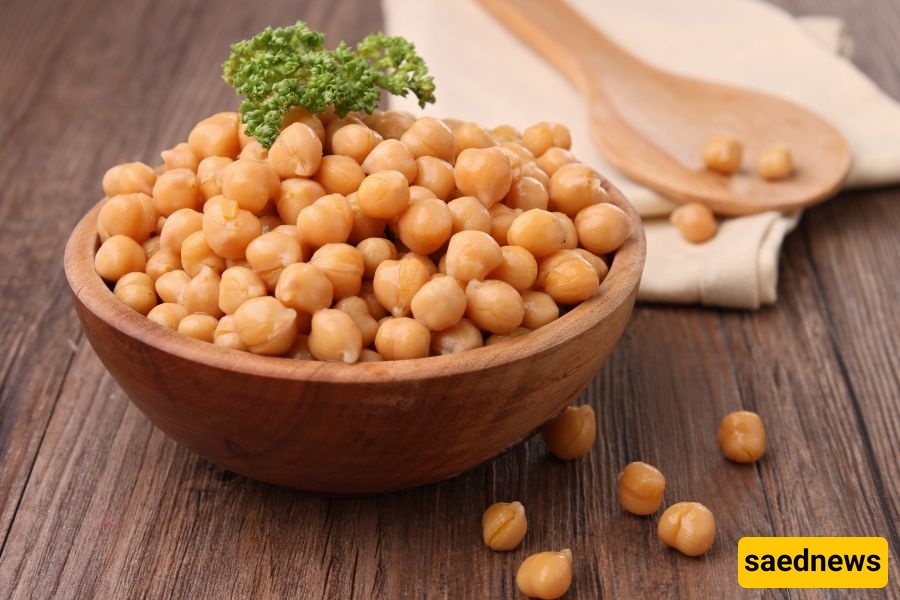
Nokhodchi, which is found in mixed nuts, has many benefits, although it is less popular today. Since it is a processed form of raw chickpeas, its properties are similar.
It is rich in fiber. Soluble fiber helps liver and bile health, while insoluble fiber aids digestion.
Eating nokhodchi with raisins helps you feel full for a longer time, which may support weight loss.
It is a good protein source for vegetarians. It also contains manganese, an important trace mineral that supports energy production and antioxidant defense. Consuming one to two bowls per week can help maintain energy levels.
Nokhodchi is rich in iron and is beneficial for women during menstruation. It is also a good snack for pregnant and breastfeeding women, as well as children, and helps improve metabolism.
Its soluble fiber helps regulate blood sugar levels and may be useful for people with insulin resistance or diabetes.
Regular consumption of chickpeas, peas, and nokhodchi can help reduce bad cholesterol and support heart health.
It also contains folate and magnesium, which help improve eye health and blood circulation.
In menopausal women, nokhodchi may reduce hot flashes and help prevent osteoporosis.
The antioxidants in chickpeas may reduce the risk of breast cancer.
After learning about the benefits of nokhodchi, you may want to include this delicious and nutritious snack in your diet more often.