SAEDNEWS: Choosing the Right Container for Pickles: Which Material Is Best for Storage?
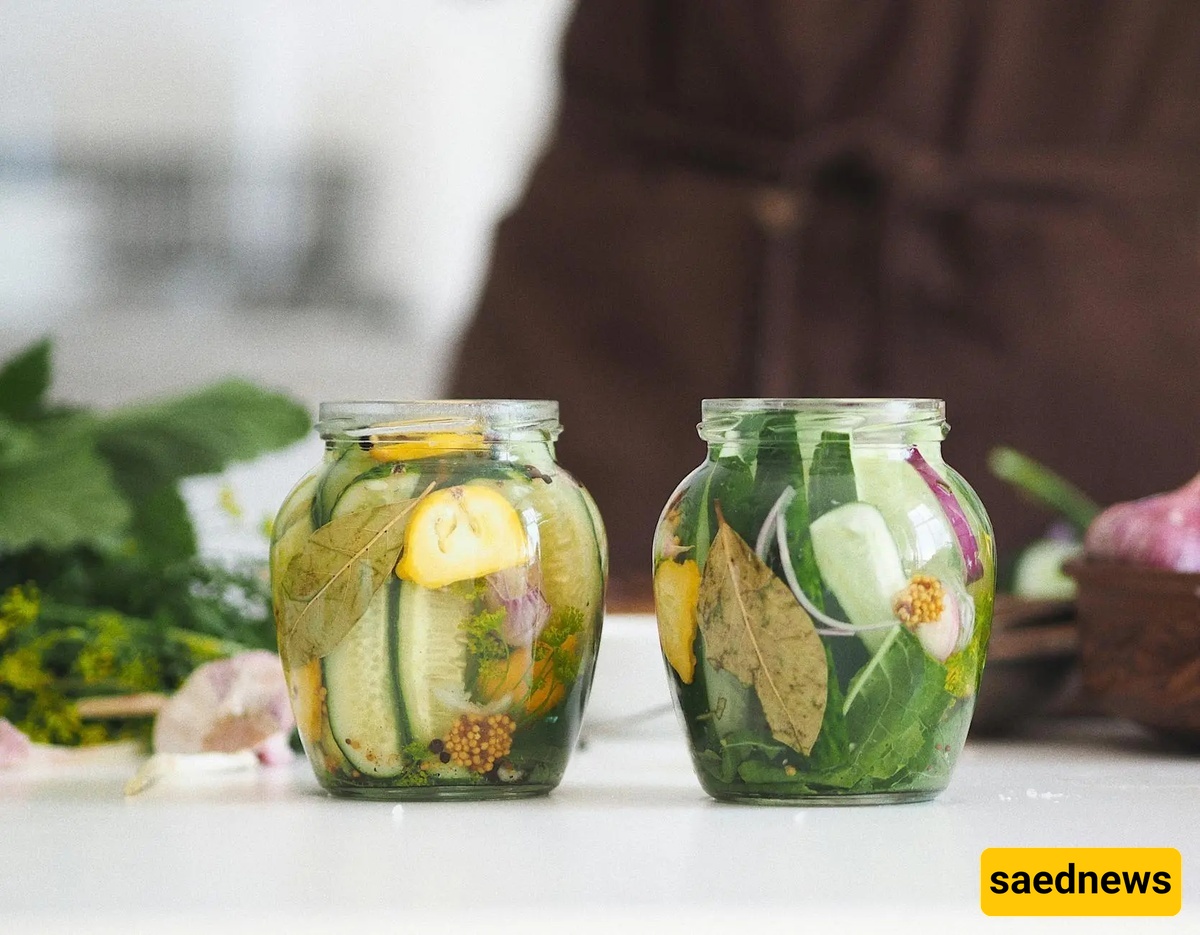
According to the household services section of Saed News, making homemade pickles is a delightful art and an excellent way to preserve vegetables and enhance the flavor of meals. However, choosing the wrong container can turn a delicious pickle into an unhealthy, flavorless product. To ensure long shelf life and preserve aroma and taste, it is essential to select a container that is suitable in terms of material, hygiene, and resistance to acid. Below are the best and worst options.
Imagine spending hours chopping vegetables and preparing spices, only to find after a few weeks that your pickles have developed an unpleasant sour smell or even mold. One of the most important factors in successful pickling is choosing a proper container. A good container must be acid-resistant, non-porous, tightly sealed, and free from any chemical reaction with food.
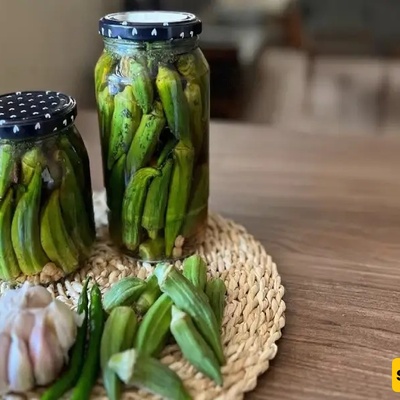
Glass containers are chemically neutral and do not react with pickle acids. They are completely hygienic, antibacterial, and non-porous, helping preserve the natural flavor and aroma of pickles for months. For refrigerator storage, glass is the best option.
Stainless steel is highly resistant to corrosion and rust. It does not react with pickle acidity and therefore does not alter taste or produce harmful compounds. However, it is important to ensure the container is high-quality and free from scratches.
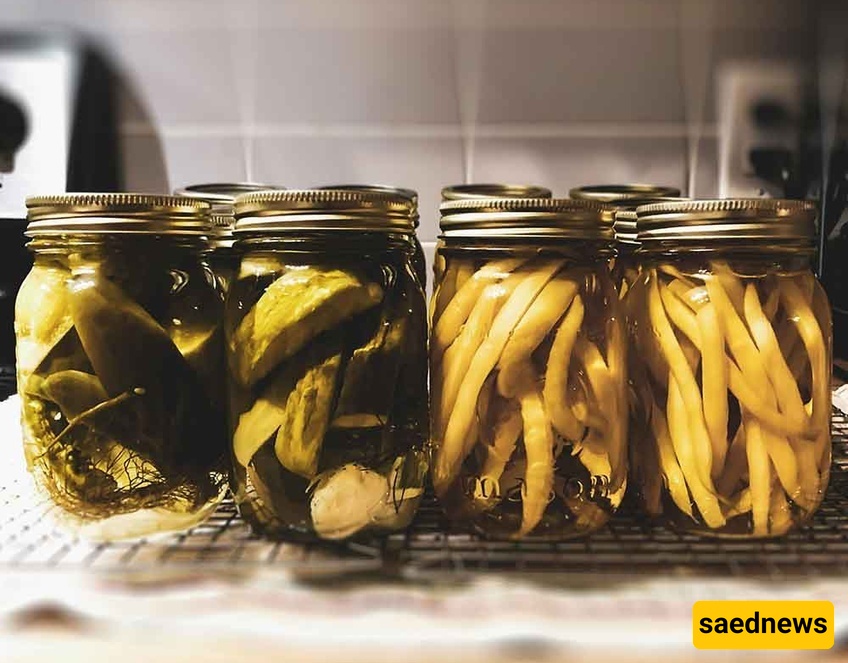
Ceramic containers with a properly applied lead-free glaze create a strong barrier against acid penetration. These containers are resistant to moisture and temperature changes and can preserve pickles for a long time without altering their quality.
Clay is naturally porous, but when properly glazed, it prevents chemical reactions and also provides natural cooling properties. This makes it especially suitable for storing pickles such as garlic pickles in a cool environment.
Pickle acids can react with plastic and release harmful chemicals such as phthalates and bisphenol compounds. This not only severely affects taste but also poses risks to liver and hormonal health. Additionally, plastic can develop scratches over time, creating a breeding ground for bacteria.
These metals react quickly with acidic foods. The result includes the release of toxic metal ions, metallic taste and discoloration of pickles, and container corrosion. Even coated iron containers become unsafe if the coating is damaged.
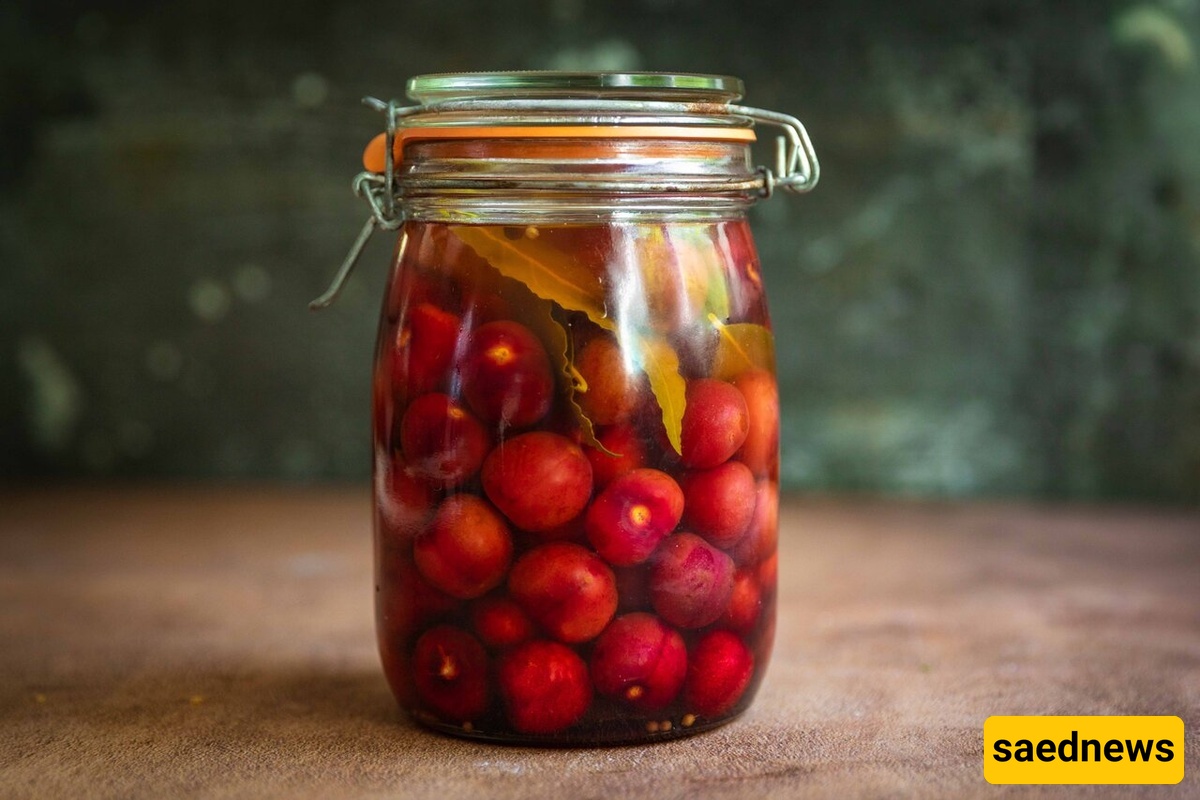
Mandatory sterilization: Fully disinfect containers and lids using boiling water or steam.
Airtight sealing: Air and moisture are the fastest causes of mold growth.
Cool and dry storage: Keep away from direct sunlight and heat sources.
Be cautious with colored glazes: Pink, orange, or red glazes may contain lead or cadmium.
Avoid cracked containers: Even small cracks can allow bacteria to enter and cause spoilage.