SAEDNEWS: Have you ever wondered why alcohol doesn’t freeze in a freezer? This article explores the scientific reasons behind alcohol’s resistance to freezing, how its freezing point differs from that of water, and the role hydrogen bonds play in the process.
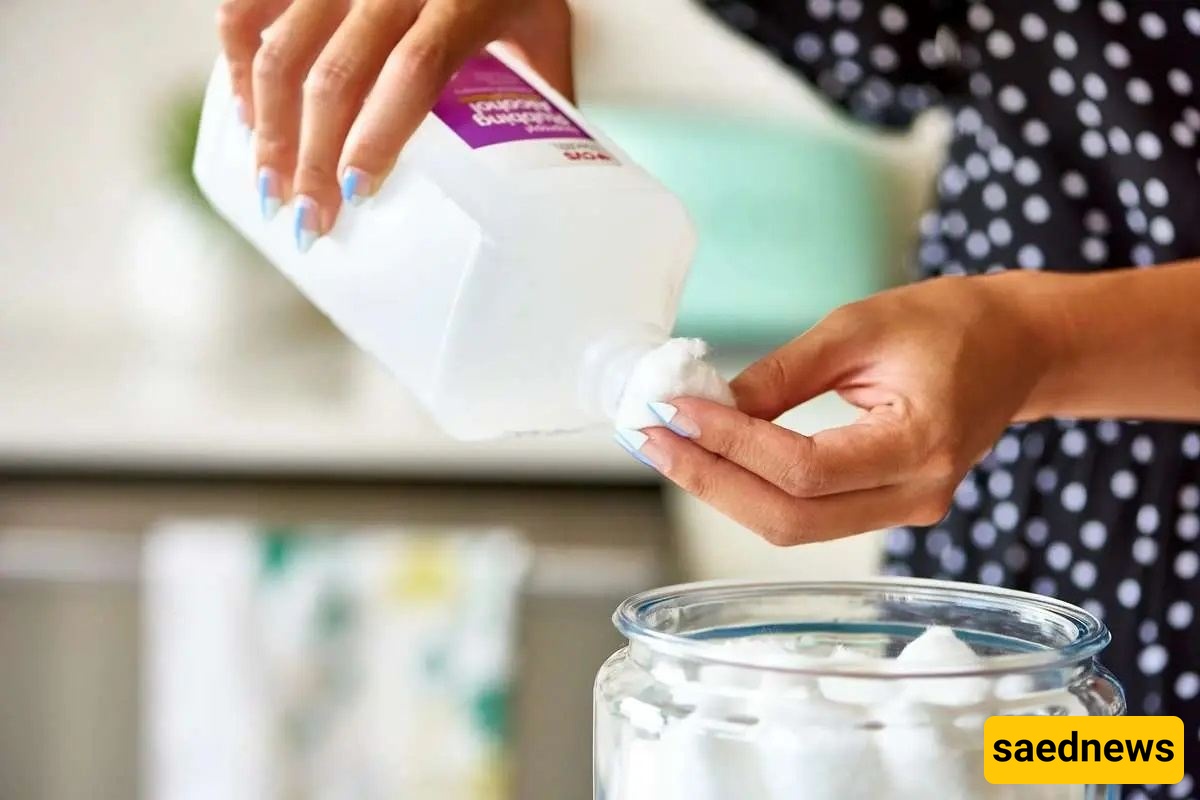
According to Saednews, Alcohol is a group of chemical compounds found in various forms and chemical formulas. The most commonly known type is ethyl alcohol, also called ethanol. Ethanol is produced through the fermentation of plant-based materials such as rice and barley.
Alcohols are generally divided into two main categories:
Aliphatic alcohols: Usually represented by the general chemical formula CₙH₂ₙ₊₁OH.
Aromatic alcohols and related compounds: Contain aromatic structures, such as benzene rings.
Some aromatic compounds, such as phenol, can readily become solid under suitable conditions. However, the freezing behavior of different alcohols depends on their molecular structure and physical properties.
Freezing occurs when a liquid loses enough thermal energy for its molecules to arrange themselves into an ordered solid structure. However, alcohols generally have much lower freezing points than water. This is why many types of alcohol remain liquid at temperatures where water has already frozen.
The main reason behind this behavior is the molecular structure and intermolecular forces present in alcohols.
In liquids such as water, molecules form hydrogen bonds that help create an organized crystalline structure when temperatures decrease. Alcohol molecules also form hydrogen bonds, along with other intermolecular interactions, including electrical and Van der Waals forces. However, their molecular structures and interactions influence how easily they form solid crystals.
The freezing point of alcohol varies depending on its type and chemical composition. Some alcohols can become solid at extremely low temperatures, even though they remain liquid under ordinary environmental conditions.
For a substance to freeze, its temperature must fall below its freezing point.
Under standard atmospheric pressure (1 atmosphere or 101.3 kPa), the freezing point of water is:
Water: 0°C (32°F).
Ethanol (ethyl alcohol): Approximately −114°C (−173.2°F).
Methanol (methyl alcohol): Approximately −97.6°C (−143.7°F).
Isopropyl alcohol (2-propanol): Approximately −89°C (−128.2°F).
As these figures demonstrate, common alcohols have significantly lower freezing points than water.
One important reason for the different freezing behavior is the molecular structure of alcohols. Alcohol molecules contain a hydroxyl group (−OH), which allows them to form hydrogen bonds with neighboring molecules.
These hydrogen bonds contribute to intermolecular attraction and influence the arrangement of molecules. However, the presence of the hydroxyl group alone does not prevent alcohol from freezing.
The overall molecular structure, molecular size, and intermolecular interactions determine how easily molecules can organize into a stable crystalline solid.
As a result, alcohol generally remains liquid at temperatures that would cause water to freeze.
The low freezing point of alcohol is particularly useful in various industrial applications and chemical products.
Alcohols can remain liquid at temperatures well below the freezing point of water, making them useful in products designed to resist freezing.
For example, ethanol and other alcohols are commonly used in certain antifreeze formulations and industrial cooling applications.
The reason alcohol does not freeze as easily as water is mainly related to its much lower freezing point and molecular structure.
Two important factors explain this behavior:
1. Low freezing point: Many common alcohols have freezing points far below 0°C, allowing them to remain liquid at ordinary temperatures and even in relatively cold environments.
2. Molecular structure and intermolecular forces: Hydrogen bonding and other molecular interactions influence how alcohol molecules arrange themselves and form crystalline solids.
Therefore, alcohol does freeze, but it generally requires temperatures much lower than those needed to freeze water.
Alcohols have different molecular structures and intermolecular interactions compared with water. These differences affect the formation and stability of their solid crystalline structures, resulting in lower freezing points for many common alcohols.
No. Alcohols can freeze when temperatures fall below their individual freezing points. For example, methanol and ethanol freeze at temperatures well below −90°C.
Hydrogen bonds create attractions between alcohol molecules. However, they do not prevent freezing. The overall molecular structure and the balance between intermolecular forces determine the temperature at which alcohol becomes solid.
Yes. Mixing alcohol with water changes the freezing point of the resulting solution. Depending on the alcohol concentration, the mixture can have a considerably lower freezing point than pure water. This principle is used in automotive antifreeze products to prevent liquids from freezing in cold weather.
Alcohol does not freeze at 0°C because its freezing point is significantly lower than that of water. For example, pure ethanol freezes at approximately −114°C, so it remains liquid at 0°C.