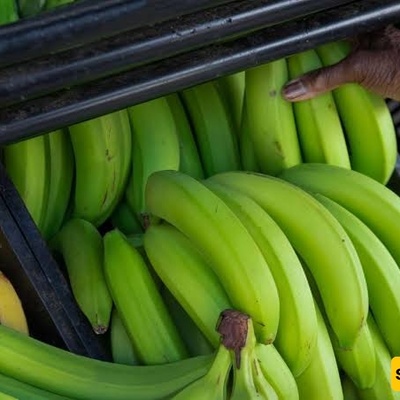
SAEDNEWS: Bananas are among the world’s most popular fruits. Interestingly, they continue to ripen even after being harvested, a natural process driven by ethylene gas production and their classification as climacteric fruits.
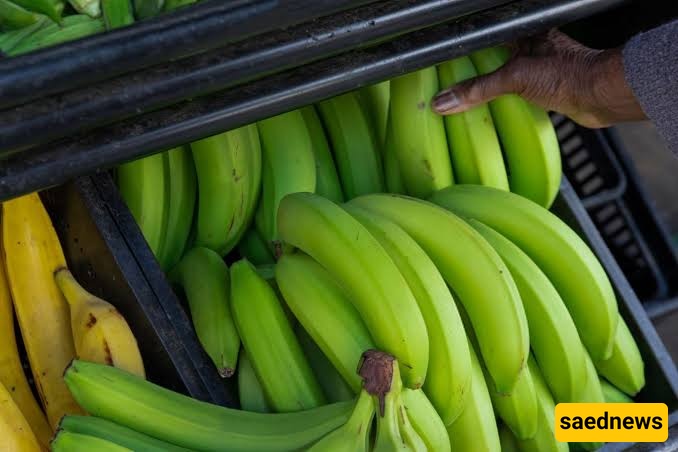
According to Saednews, Bananas are among the most popular fruits in the world, and one of their most fascinating characteristics is their ability to continue ripening even after being harvested. Many people have noticed that green or partially ripe bananas gradually turn yellow, become sweeter, and develop a softer texture after a few days at home. But why does this happen? The answer lies in plant physiology, the role of ethylene gas, changes in starch and sugar content, and the unique characteristics of climacteric fruits.
Bananas belong to a group of fruits known as climacteric fruits. These fruits can continue their ripening process even after being separated from the parent plant. Other examples include apples, pears, mangoes, avocados, and tomatoes.
In contrast, non-climacteric fruits, such as grapes, citrus fruits, and strawberries, generally do not undergo significant ripening changes after harvest. They must be picked when they have reached an appropriate stage of maturity.
The main reason for this difference is the activity of a plant hormone called ethylene. Climacteric fruits produce ethylene at a particular stage of development, triggering and accelerating the ripening process. Even after being harvested, bananas continue producing ethylene, allowing ripening to proceed.
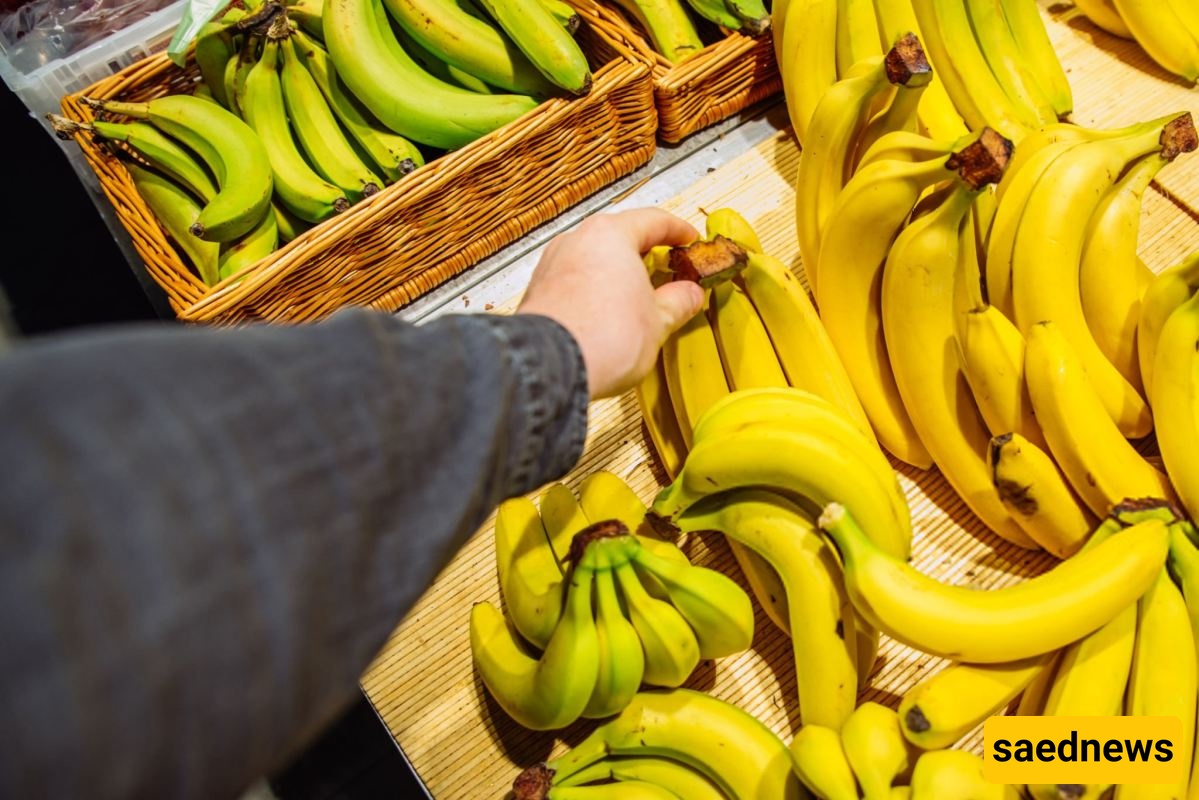
Ethylene is a gaseous plant hormone that plays a central role in fruit ripening. It is produced within fruit tissues and binds to specific receptors in plant cells. This activates a series of molecular reactions that lead to changes in color, texture, sweetness, aroma, and flavor.
One important characteristic of ethylene production in bananas is a process known as autocatalytic ethylene production. This means that a small amount of ethylene can stimulate the production of even more ethylene.
As a result, ripening becomes a self-reinforcing process that gradually accelerates. This explains why placing a ripe banana next to green bananas can speed up their ripening.
Banana ripening involves much more than a simple change in skin color. Several important chemical and structural changes take place inside the fruit.
One of the most significant changes is the conversion of starch into simple sugars. Unripe bananas contain substantial amounts of starch, which gives them a relatively firm texture and less sweet taste.
As ripening progresses, enzymes such as amylases break down starch into sugars, including sucrose, glucose, and fructose. This transformation is responsible for the increasing sweetness of ripe bananas.
At the same time, enzymes that break down pectin weaken the cell walls, making the fruit softer. The banana gradually changes from a firm, starchy fruit into a soft and flavorful one.
The color change is another important indicator of ripening. Chlorophyll, the green pigment found in unripe bananas, breaks down, allowing yellow and orange pigments to become more visible.
Meanwhile, aromatic compounds develop, producing the familiar smell and flavor associated with ripe bananas.
Bananas are usually harvested before they become fully ripe. The main reason is transportation and storage.
Fully ripe bananas are more delicate and susceptible to physical damage, pressure, and spoilage. If they were allowed to ripen completely on the plant, their storage life would be shorter, increasing the risk of damage during transportation.
For this reason, bananas are harvested while green and then ripened under controlled conditions.
This process is particularly important in the global food supply chain because it allows bananas to be transported over long distances and delivered to markets at the appropriate stage of ripeness.
In fact, the ability of bananas to ripen after harvest is a major economic and commercial advantage.
In many countries, green bananas are transported to specialized facilities known as ripening rooms.
Inside these rooms, temperature, humidity, and ventilation are carefully regulated. Ethylene gas is sometimes introduced at controlled concentrations to promote faster and more uniform ripening.
This process is considered natural because ethylene is the same hormone that bananas produce themselves.
When properly managed, controlled ripening is safe and does not fundamentally differ from natural ripening. Its primary purpose is to coordinate the ripening process with market demand and delivery schedules.
However, temperature and ethylene concentrations must be carefully monitored. Improper conditions can lead to uneven ripening, changes in flavor, or reduced fruit quality.
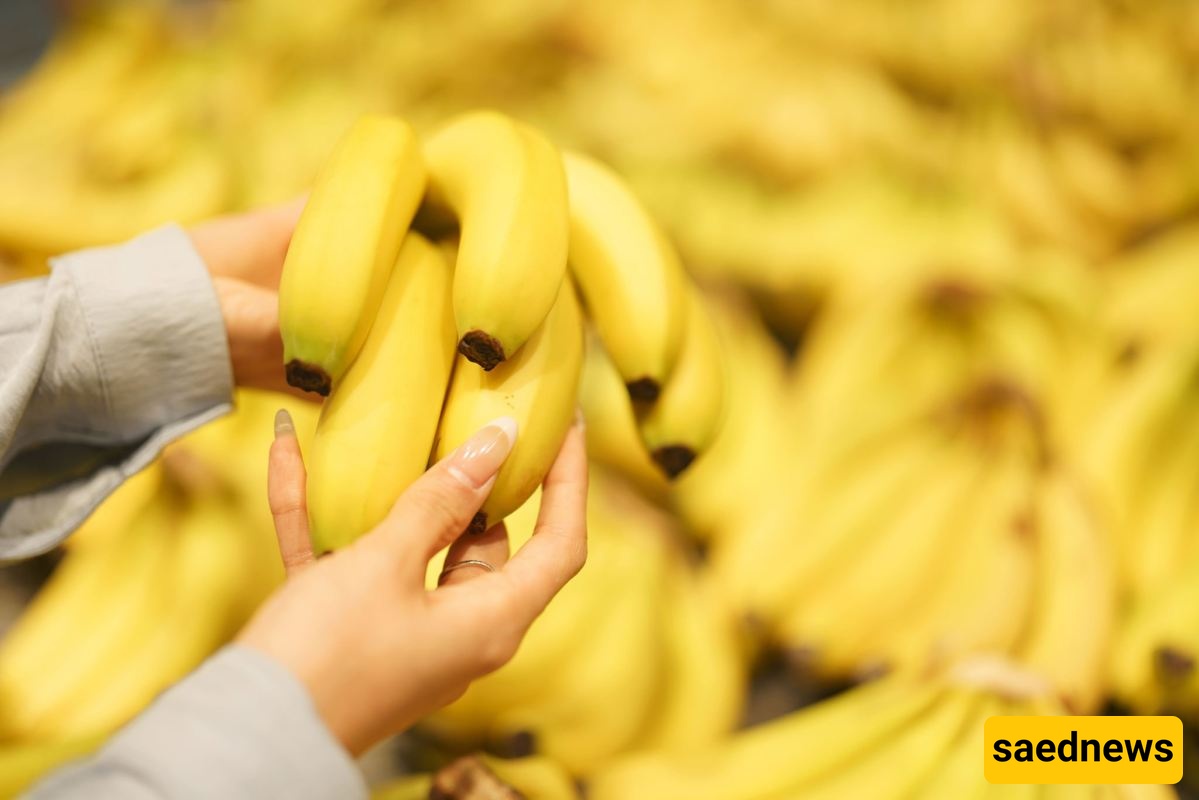
Environmental temperature has a direct influence on how quickly bananas ripen.
At room temperature, bananas generally take several days to ripen. Increasing the temperature within a suitable range can accelerate the process, while excessively high temperatures may damage the fruit.
Conversely, cooler temperatures slow down enzyme activity and ethylene production, delaying ripening.
However, storing unripe bananas in the refrigerator is generally not recommended. Excessive cold can cause chilling injury, resulting in dark patches on the peel and changes in flavor and texture.
Once bananas are fully ripe, refrigeration can help extend their storage life. Although the peel may become darker, the fruit inside can remain in good condition for longer.
Therefore, the timing of refrigeration should depend on the banana's stage of ripeness.
A few simple practices can help maintain banana freshness and control the ripening process:
1. Keep green bananas at room temperature: This allows them to continue ripening naturally.
2. Be mindful of nearby fruits: Ripe fruits such as apples release ethylene, which can accelerate banana ripening.
3. Refrigerate ripe bananas: Once bananas reach your preferred level of ripeness, refrigeration can help preserve their quality for longer.
4. Separate individual bananas: Separating bananas may slightly slow ripening by reducing their collective exposure to ethylene.
5. Consider wrapping the stems: Covering banana stems with plastic wrap is sometimes recommended to reduce ethylene release, although preventing excess moisture is also important.
6. Check their appearance and smell: Skin color, firmness, and aroma are useful indicators of ripeness.
Bananas continue to ripen after being picked because they are climacteric fruits that retain the ability to produce and respond to ethylene. This plant hormone activates and accelerates ripening, triggering the conversion of starch into sugars, softening the fruit's texture, and changing its skin from green to yellow.
This natural biological process explains why bananas are harvested while still green and ripened under controlled conditions throughout the supply chain.
Understanding how ethylene, temperature, and storage conditions influence banana ripening is not only scientifically fascinating but also practically useful. It can help consumers store bananas more effectively, reduce food waste, and enjoy better flavor and quality.
In simple terms, a banana does not stop developing when it is picked. Instead, it continues one of nature's remarkable biological processes: ripening beyond the plant.