SAEDNEWS: Tesla Unveils a SpaceX-Inspired Roadster With Sub-One-Second Acceleration and Aerial Maneuvering, Targeting 2028 Production
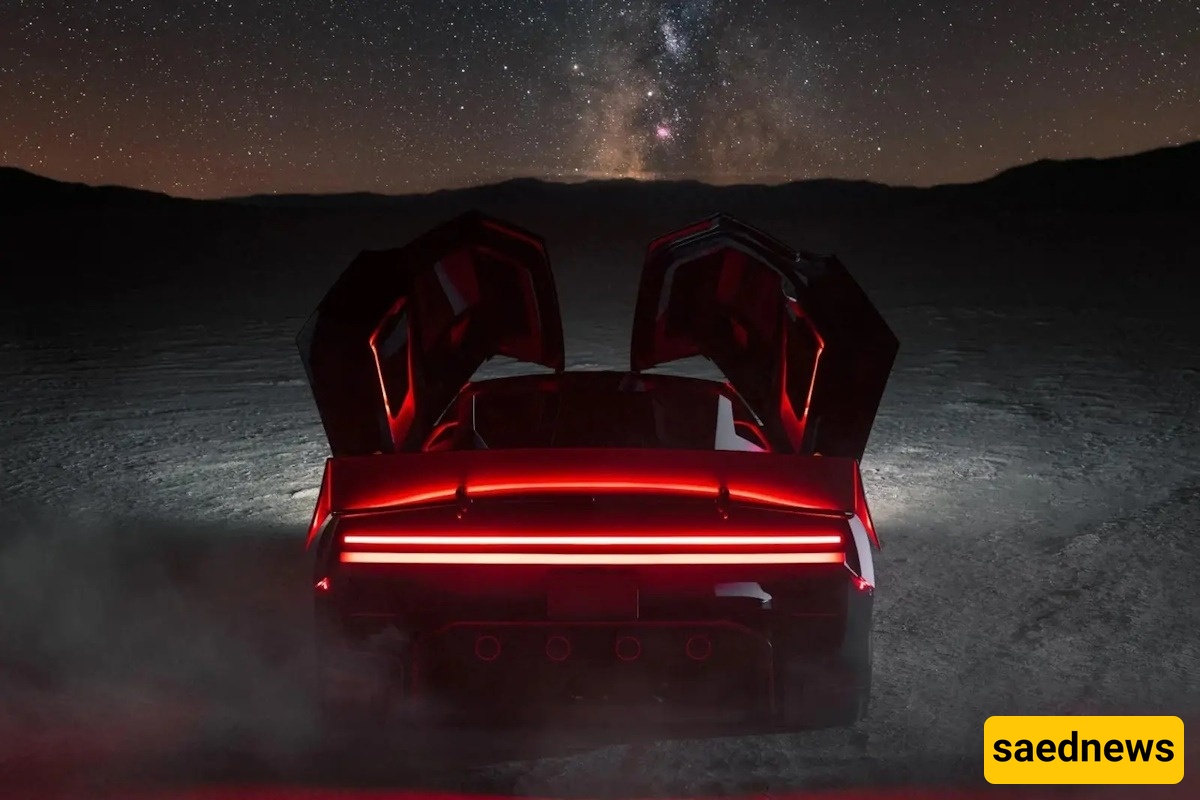
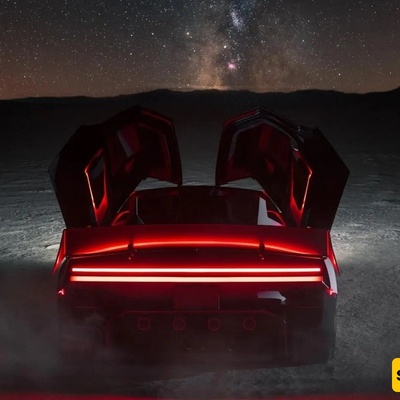
According to Saednews, Tesla has unveiled its next-generation electric sports car, the Tesla Roadster, a vehicle featuring unconventional technologies inspired by the aerospace industry. Equipped with compressed-gas thrusters and an air-suction system, the new car is claimed to be capable of performing aerial stunts and, under certain conditions, briefly lifting off the ground. Tesla has announced plans to begin production in 2028.
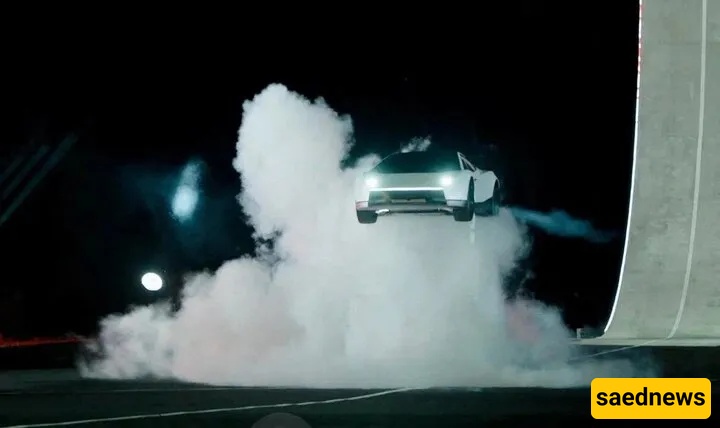
In the latest Roadster demonstration, a version equipped with SpaceX-inspired technology traveled along a curved track, drove upside down, and performed a rotational aerial maneuver using specialized thrusters. The demonstration has renewed interest in the unusual capabilities claimed for Tesla’s new sports car.
After approximately nine years of anticipation, the next-generation Tesla Roadster was showcased at an event in Texas, United States. One of the main highlights was a demonstration of technologies reportedly developed through collaboration between Tesla and SpaceX engineers.
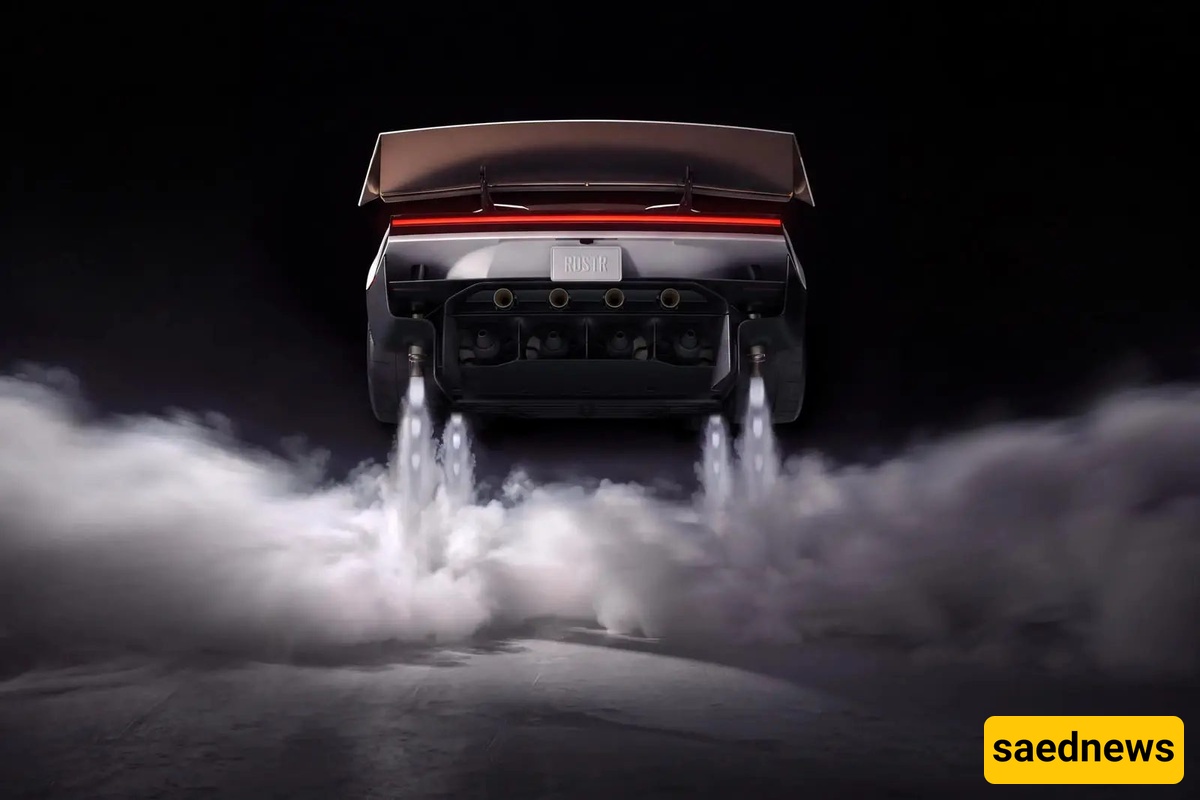
Unlike conventional flying cars, which rely on wings or propellers to achieve flight, the rocket-powered Roadster concept uses propulsion nozzles and compressed gas to perform aerial maneuvers. The system can generate thrust, potentially allowing the vehicle to lift briefly off the ground or change direction in the air.
Despite these capabilities, the Roadster should not be confused with a personal aircraft or a vehicle capable of sustained, long-distance flight. The demonstration appeared to focus on short, controlled aerial maneuvers rather than conventional flight.
One of the Roadster’s distinctive technologies is an air-suction system beneath the vehicle, designed to increase downforce and improve grip against the track surface.
In sports and racing cars, bodywork and aerodynamic wings help generate downforce. This force generally increases with speed, improving stability and cornering performance.
The Roadster’s suction system takes a different approach. Powerful fans remove air from beneath the car, reducing the pressure in that area. The resulting pressure difference can push the vehicle toward the track, increasing traction.
Tesla claims this system could also enable the car to travel along an inverted track, a capability featured in the unveiling demonstration.
However, the technology’s performance under real-world conditions, including on uneven surfaces and at different speeds, requires further technical evaluation and independent testing. It also remains to be confirmed which features will be included in the final production model.
Another key element of the so-called flying Tesla is its cold-gas propulsion system, which uses physical principles also applied in aerospace engineering.
In this approach, compressed gas is released from high-pressure tanks through propulsion nozzles. As the gas exits at high speed, it generates thrust, producing a force in the opposite direction. Unlike conventional rocket engines, this process does not require fuel combustion to generate thrust.
According to information released during the demonstration, the rocket-equipped Roadster uses 10 propulsion nozzles and a tank with an approximate capacity of 600 liters for compressed gas. The nozzles are arranged to generate forces in different directions, enabling aerial maneuvers.
The key difference between this technology and a conventional electric motor is how force is generated. An electric motor supplies rotational power to the wheels, while a compressed-gas propulsion system generates direct thrust by expelling gas.
Nevertheless, incorporating such a system into a road-going car presents significant challenges involving safety, control, gas consumption, and regulatory approval.
One of the most striking claims about the new Tesla Roadster concerns its acceleration. During the demonstration, the car was claimed to accelerate from zero to 60 mph, approximately 96 km/h, in less than one second.
Achieving this performance, particularly in versions equipped with compressed-gas thrusters, would depend on technologies beyond those found in a conventional electric sports car. However, manufacturer claims must be distinguished from performance figures verified through independent testing.
Tesla has also cited a top speed exceeding 370 km/h and a driving range of approximately 483 kilometers for the next-generation Roadster. These figures will need to be compared with the finalized specifications of the production vehicle.
Information released about the new Roadster introduction points to three versions with different characteristics:
Performance: A road-going model focused on sports-car performance, featuring active aerodynamics and an air-suction system.
Thrust: A version emphasizing acceleration and track performance, equipped with cold-gas propulsion technology.
Rocket: An advanced version featuring additional propulsion nozzles and aerial maneuvering capabilities, potentially subject to greater restrictions on public-road use.
The Rocket version is arguably the most technologically intriguing part of the project. However, its demonstration capabilities do not mean the vehicle can fly through the sky continuously like a conventional aircraft.
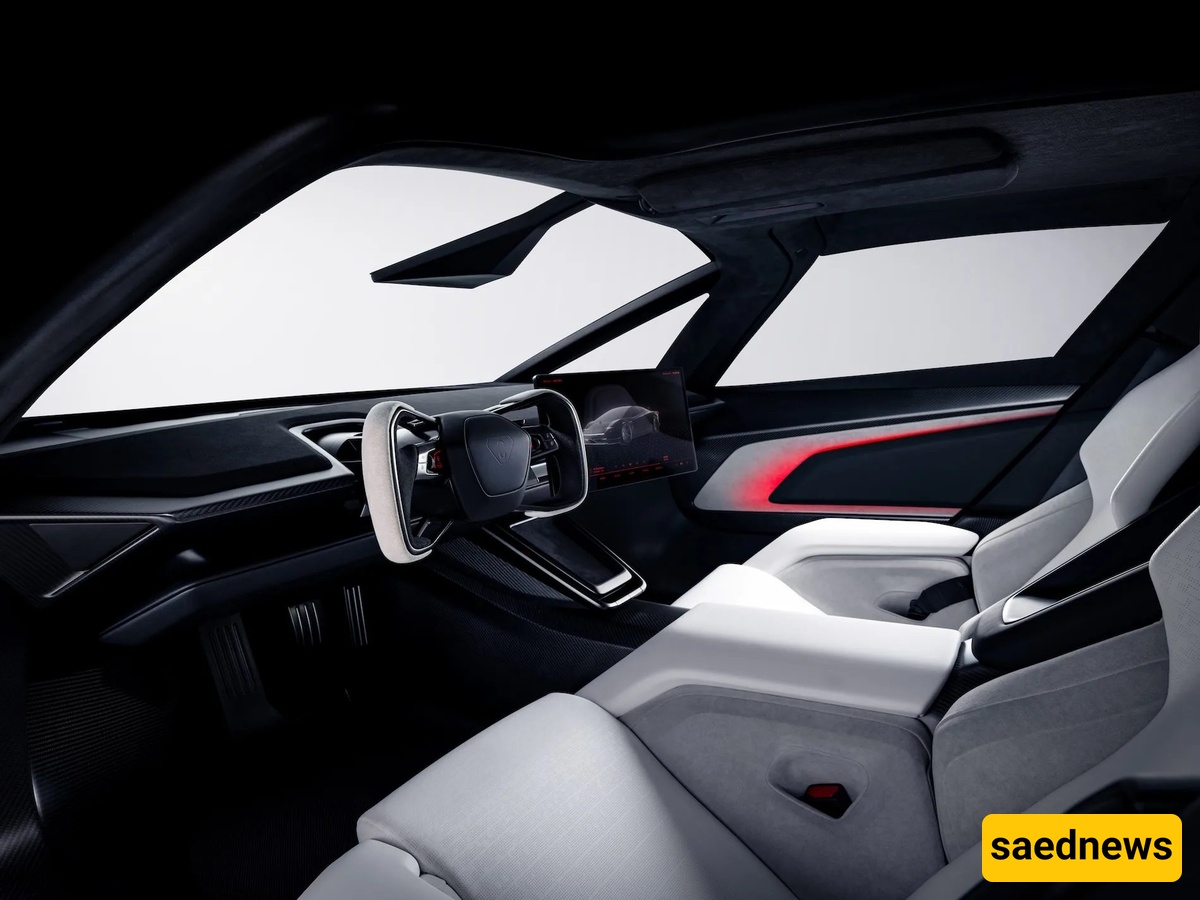
Tesla has targeted 2028 for the start of production of the next-generation Roadster. However, the project’s history of lengthy delays means this date should be viewed as the company’s current target rather than a guaranteed delivery schedule.
The information released during the unveiling did not provide complete details about final pricing or delivery timelines for every version. The potential release of a model equipped with rocket-style thrusters also raises questions about regulatory approval and whether it could legally be driven on public roads.
Although the new Roadster demonstration is notable from an engineering and technological perspective, further details and independent testing will be needed to assess its potential for widespread production, everyday usability, and practical aerial operation.
The next-generation Roadster highlights Tesla’s ambition to combine electric-vehicle technology with aerospace engineering. Its air-suction system, compressed-gas thrusters, and claimed sub-one-second acceleration distinguish it from conventional sports cars.
The central question, however, is how many of the demonstrated technologies will make it into the final production model and what limitations will apply to their use.
For now, the Roadster represents an attempt to push the boundaries of sports-car performance. Its unconventional demonstrations have attracted considerable attention, but its commercial success will ultimately depend on actual production, safety certification, and Tesla’s ability to deliver on its technical promises.