SAEDNEWS: Floor drains are commonly used in areas of the home such as kitchens, bathrooms, and washrooms—places that require regular cleaning and washing. When purchasing a floor drain, there are several important factors to consider, which we will discuss in this article.

According to Saednews, A floor drain is typically used as a connection between the floor in different areas of a home and the wastewater drainage system, particularly in spaces where regular washing and water drainage are required. Floor drains are most commonly installed in kitchens, bathrooms, and restrooms, where considerable amounts of water are typically used.
Floor drains offer several important advantages:
Preventing unpleasant odors: Properly designed floor drains help prevent unpleasant sewer odors from entering indoor spaces.
Keeping insects and pests out: Floor drains can prevent cockroaches and other unwanted insects from entering the building through the drainage system.
Reducing the risk of clogged pipes: Floor drains help stop larger debris from entering wastewater pipes, reducing the likelihood of blockages.
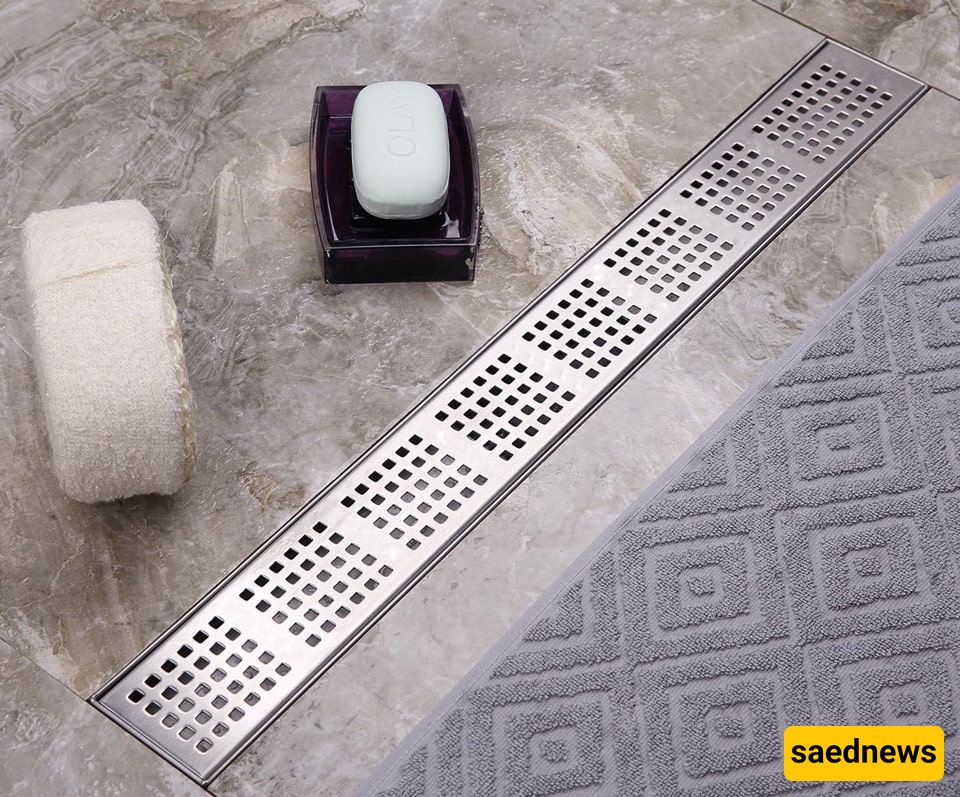
One of the most important factors to consider when purchasing a floor drain is its type. Different floor drain designs are intended for different applications. Depending on where and how you plan to use the drain, you can choose from the following options:
Linear floor drains feature a sleek, elongated design and can be used in a variety of spaces. They are commonly installed beneath shower areas and along the edges of swimming pools. For this reason, linear drains are particularly suitable for bathrooms and pool areas.
Wall drains feature a concealed and luxurious design and are installed at the base of bathroom walls and other areas where drainage is required. Because they are designed to blend into the surrounding space and remain largely hidden, they are especially suitable for highly visible areas where aesthetics are important.
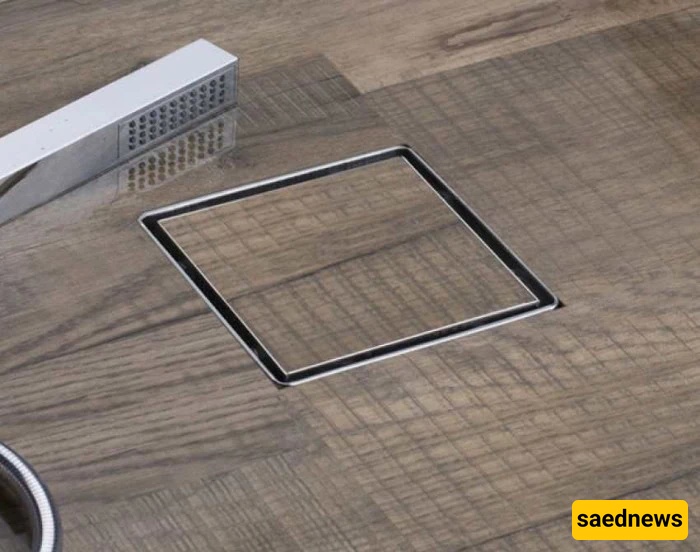
Point drains, also commonly known as square floor drains, are widely used in bathrooms, kitchens, swimming pools, and other areas. They are also generally more affordable than some other types of floor drains.
Price is an important consideration when selecting a floor drain for different areas of a home or building. However, a higher price does not necessarily mean better quality, while extremely inexpensive products may not offer the durability you need. Several factors can influence the price of a floor drain, including:
Material: Floor drains can be manufactured from materials such as stainless steel, reinforced plastic, glass, and wood. Stainless steel generally costs more than reinforced plastic, making stainless-steel floor drains more expensive in many cases.
Design: Linear, wall-mounted, and point drains are available at different price points. For example, point drains, which are among the most common designs, are often less expensive than wall drains because wall-drain systems may require additional components and more complex construction.
The appearance of a floor drain should complement the overall interior design of the space. For example, if your home has a classic interior, a modern linear floor drain may not blend naturally with the décor. In such cases, a point drain may provide a more harmonious appearance.
Wall drains, on the other hand, can work well with a wide range of interior styles because they have minimal visual impact. When choosing a floor drain for a bathroom, kitchen, or any other area of your home or building, consider both the interior décor and how well the drain design fits into the overall aesthetic.
In general, point and linear floor drains are easier to install than wall drains. Therefore, the installation method should also be considered before making a purchase.
If you are renovating an existing home, point and linear drains may be more practical choices because they generally require simpler installation. If you are constructing a new building, however, a wall drain may be a more suitable option, particularly when its installation can be incorporated into the original construction plans.
In addition to the factors mentioned above, keep the following points in mind when selecting a floor drain:
Size and design: Choose a drain whose dimensions and appearance complement your flooring. An unsuitable size or design can negatively affect the overall appearance of the space.
Drainage capacity: Consider how much water needs to pass through the drain. For example, bathrooms may require a high drainage capacity, making linear drains a practical choice.
Outdoor applications: If you need a floor drain for an outdoor area such as a garage, driveway, or yard and it will be exposed to direct sunlight, it is generally better to avoid plastic models.
Sand and debris: If the drain will be installed in an area where large amounts of sand, gravel, or debris may be carried into the opening with water, a parking-area floor drain may be a more appropriate choice.
Ceramic tile drains: If budget is not a major concern and you want a seamless, carefully designed bathroom or restroom, ceramic tile-insert drains can provide an attractive solution.
Linear floor drains are among the more specialized products available on the market, and finding a suitable model can sometimes be challenging. Artemis Production Group is one supplier that offers linear and square floor drains in a range of designs and quality levels.
When selecting a floor drain, focus on the material, drainage capacity, installation requirements, durability, dimensions, and compatibility with your interior design. Choosing the right model can help ensure effective water drainage while maintaining both the functionality and appearance of your space.