SAEDNEWS: Earphones are audio accessories equipped with speakers and a microphone, designed for hands-free calling and listening to music. This article explores different types of earphones (wired, TWS, neckband, and single-ear), their differences from headphones and headsets, and advanced features such as...
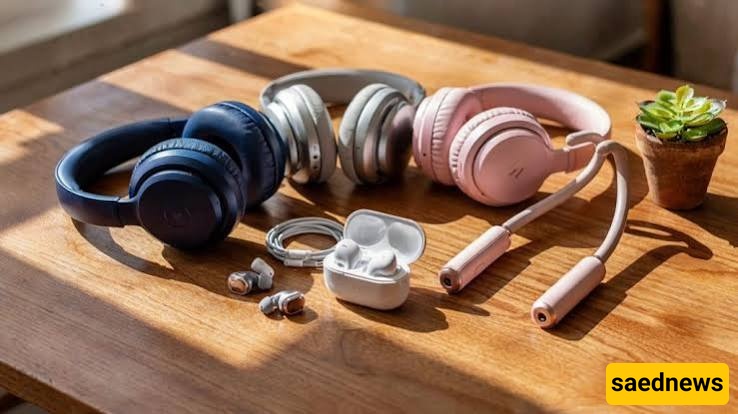
According to Saednews, Hands-free earphones are compact audio accessories consisting of one or two small speakers (earpieces) and a built-in microphone. They allow users to answer phone calls or listen to music without holding a device. Hands-free earphones are available in wired versions, using a 3.5 mm jack or USB Type-C port, and wireless versions that connect via Bluetooth, including TWS, neckband, and single-ear models. Features such as Active Noise Cancellation (ANC) provide greater convenience and freedom while driving, exercising, working, or enjoying entertainment.
Today, hands-free earphones have evolved from simple wired accessories into advanced smart gadgets that play an important role in communication, fitness, work, and entertainment.
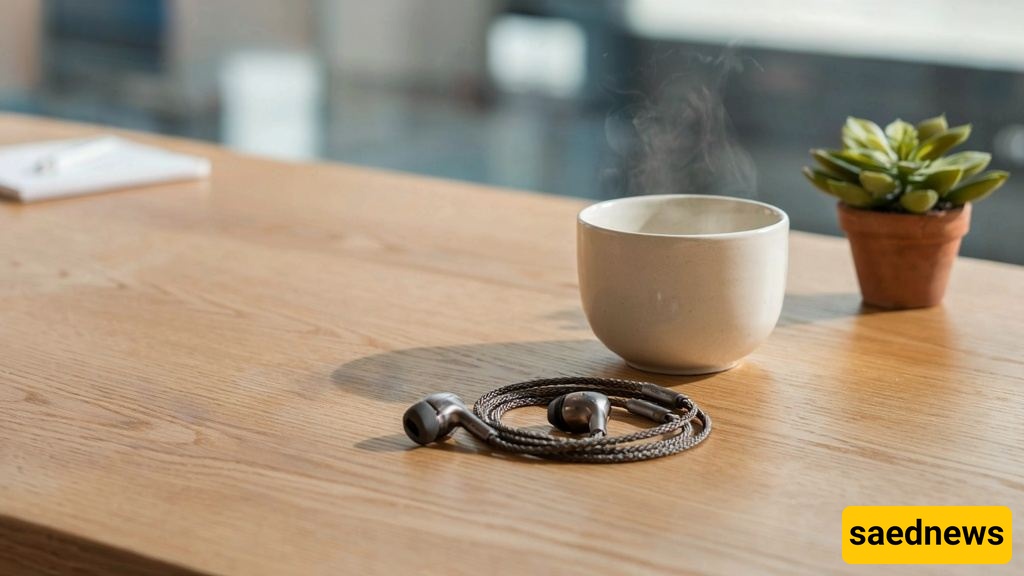
Wired models are the traditional type of hands-free earphones and connect directly to a device using a cable.
Common connection types include:
3.5 mm jack (AUX): The traditional audio port found on many older devices.
Digital ports (USB Type-C and Lightning): Used with newer smartphones that no longer include a 3.5 mm headphone jack.
Advantages:
No charging is required, audio latency is very low, making them suitable for gaming, they are generally affordable, and they offer a stable connection.
Disadvantages:
The cable can become tangled or damaged, and movement is limited by the cable length.
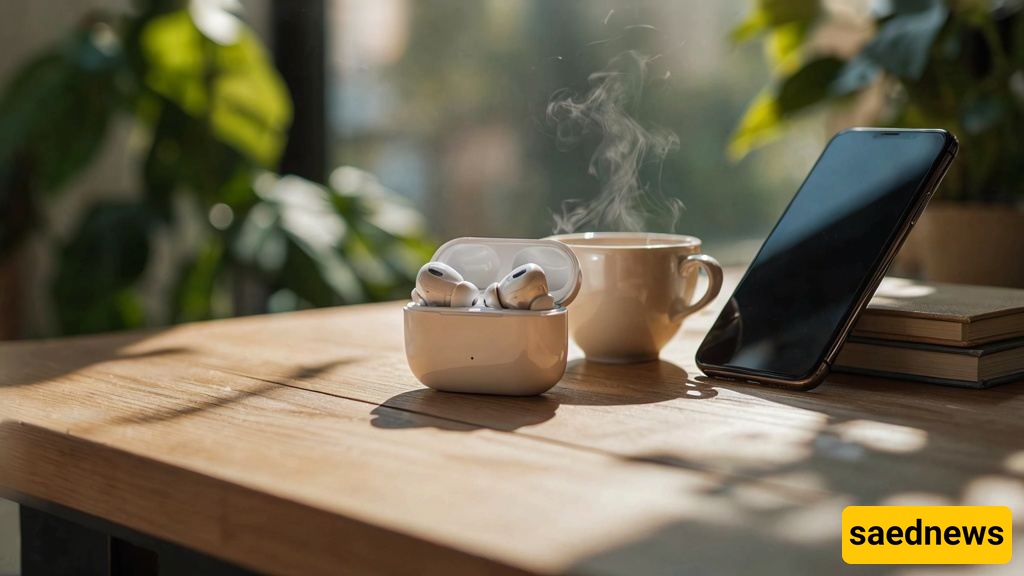
TWS earphones are among the most popular hands-free devices today. There are no wires connecting the two earbuds or connecting them to the phone. Products such as Apple's AirPods and Samsung Galaxy Buds belong to this category.
Advantages:
Complete freedom of movement
Compact and stylish design
Portable charging case
Smart features and wireless controls
Disadvantages:
Regular charging is required
Small earbuds can be easy to misplace
Neckband models have two earbuds connected by a cable or flexible band that rests around the user's neck.
Advantages:
Longer battery life than many TWS models
Much lower risk of losing the earbuds
Suitable for exercise and active lifestyles
Disadvantages:
The cable or neckband may feel uncomfortable or inconvenient for some users.
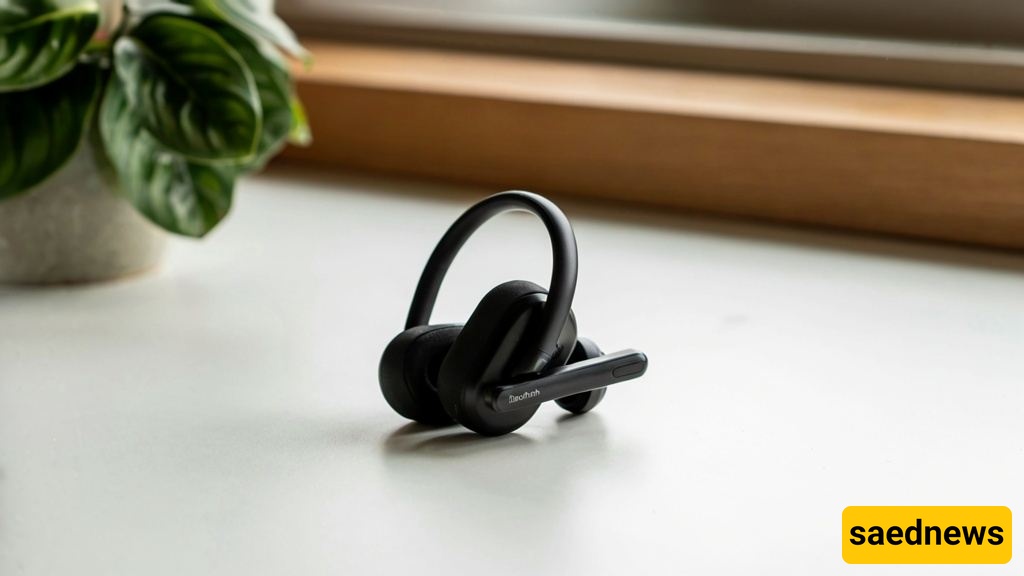
Single-ear Bluetooth earphones have only one earpiece and are mainly designed for business calls, drivers, customer-service operators, and other situations where users need to remain aware of surrounding sounds.
These three terms are often used interchangeably, but they describe different designs and purposes.
Hands-Free Earphones:
Usually feature a small in-ear design. They are lightweight and commonly include a microphone for making and receiving calls.
Headphones:
Typically feature two larger ear cups positioned either on the ears (On-Ear) or around them (Over-Ear). Headphones primarily focus on audio playback and may or may not include a microphone.
Headsets:
A headset is essentially a pair of headphones equipped with a dedicated microphone, often attached to a boom arm positioned near the user's mouth. They are widely used for call centers, gaming, video conferences, and online meetings.
ANC uses electronically generated sound waves to reduce unwanted ambient noise. It can be particularly useful for blocking sounds such as airplane engines, traffic, and other background noise.
This feature allows users to hear surrounding sounds and conversations without removing their earphones. It is useful when staying aware of the environment is important.

Water-resistance ratings such as IPX4 and IPX7 indicate protection levels against water exposure. This feature is especially useful for athletes and people who use earphones outdoors or during workouts.
Bluetooth codecs such as AAC, aptX, and LDAC can improve wireless audio transmission by supporting higher-quality sound and, depending on the device and codec implementation, lower latency.
Hands-free earphones have become an essential part of modern life, making communication more convenient while providing an easy way to enjoy music and other audio content. The right choice depends on your needs—whether you prioritize phone calls, exercise, gaming, portability, or sound quality. By comparing factors such as connectivity, battery life, microphone performance, comfort, water resistance, and noise cancellation, you can find a model that best matches your lifestyle.