SAEDNEWS: A mild stroke, also known as a transient ischemic attack (TIA), is a serious warning condition. Recognizing its symptoms in time can help prevent a full and potentially life-threatening stroke.
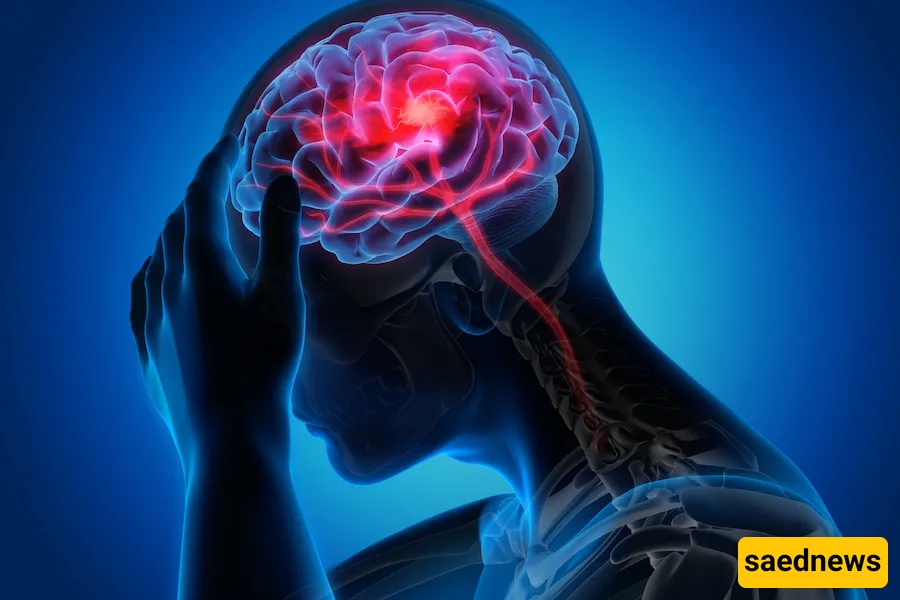
According to Saednews, A mild stroke, also known as a transient ischemic attack (TIA), is a serious warning sign that should never be ignored. This condition occurs when blood flow to part of the brain is temporarily blocked, producing stroke-like symptoms that usually last from a few minutes up to 24 hours. Recognizing these symptoms can save your life or someone else’s. Below are five key warning signs based on the latest recommendations from the American Stroke Association and the Cleveland Clinic.
A sudden decrease or complete loss of vision in one or both eyes can be a sign of a TIA. This temporary blindness or severe visual disturbance may result from a blockage that affects blood flow to the retina. It should never be ignored.
If someone suddenly struggles to see objects clearly, blinks excessively, or appears confused while trying to focus, it may be a warning sign.
According to the American Stroke Association, sudden weakness or numbness in the face, arm, or leg—especially on one side of the body—is one of the most common warning signs of a mild stroke.
If a person suddenly cannot lift one arm or leg, shows facial drooping on one side, or complains of unexplained numbness or weakness, the symptoms should be taken seriously.

Headaches are common in daily life, but experts at the Cleveland Clinic warn that a sudden, extremely severe headache with no obvious cause may indicate a TIA. Unlike regular headaches, this pain appears abruptly and with intense severity, not linked to dehydration, caffeine withdrawal, or similar factors.
If someone suddenly holds their head in pain, shows distress, or complains of an unusual and intense headache, it requires urgent attention.
A sudden shift from normal mental clarity to confusion, or difficulty understanding others, can be an important warning sign of a TIA. Studies show that neurological symptoms such as language impairment (aphasia) or slurred, slow, or broken speech (dysarthria) are strongly associated with transient ischemic attacks.
If someone suddenly struggles to follow a conversation, appears confused by simple sentences, or cannot process speech properly, it should be treated as an emergency.

Sudden problems with speaking—such as slurred speech, difficulty finding words, or unintelligible sentences—are also key warning signs. These symptoms are caused by impaired control of the muscles involved in speech.
If a person suddenly cannot speak clearly or their speech becomes incomprehensible, immediate medical evaluation is necessary.
TIA symptoms may last from a few minutes to 24 hours. If you suspect that you or someone else is experiencing a TIA, seek emergency medical attention immediately without delay.
You should also consult a doctor about major risk factors, including:
Older age
Atrial fibrillation (irregular heartbeat)
Diabetes
High blood pressure
Heart disease
Smoking
Managing these risk factors can significantly reduce the likelihood of a TIA or full stroke.
A mild stroke (TIA) is a serious warning signal that should never be ignored. Sudden vision loss, one-sided weakness, severe unexplained headache, confusion, and speech difficulties are the main warning signs. Immediate medical attention can help prevent a full stroke and long-term complications.