SAEDNEWS: Thai authorities have revealed new details about a teenager who carried out a deadly shooting at his home and school in Nonthaburi province.
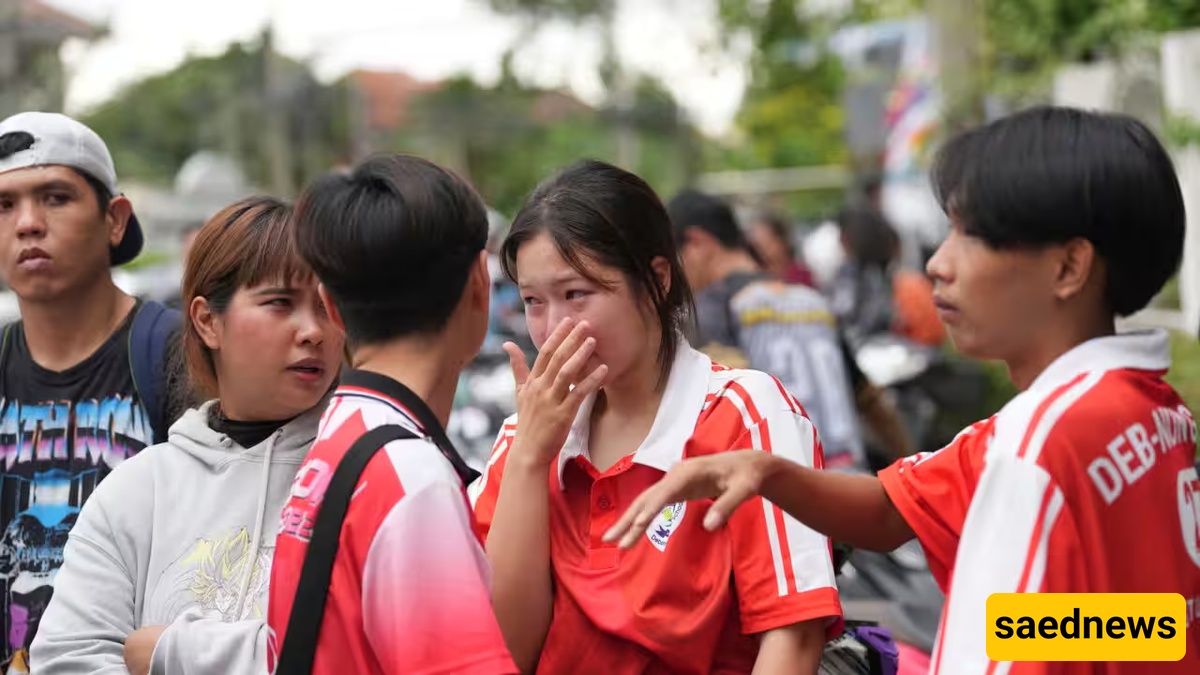
According to SaedNews: Thailand is facing renewed questions about gun access, social media and the pressures affecting young people after a teenager carried out a deadly shooting at his home and then at his school in Nonthaburi province.
Police say the student had learned how to handle a firearm by himself through social media. The revelation has added another disturbing dimension to an incident that has already left the country in shock and prompted promises of tighter gun regulations.
Authorities said the teenager used a handgun belonging to his grandfather during the attack. According to officials, he first shot his grandfather and grandmother at their home before going to his school, where he opened fire toward teachers and students.
Eight people died in the incident, while the shooter himself also died. The tragedy has become one of Thailand’s most serious recent shooting incidents and has intensified public concern over how firearms can reach young people and how violent material online may influence vulnerable individuals.
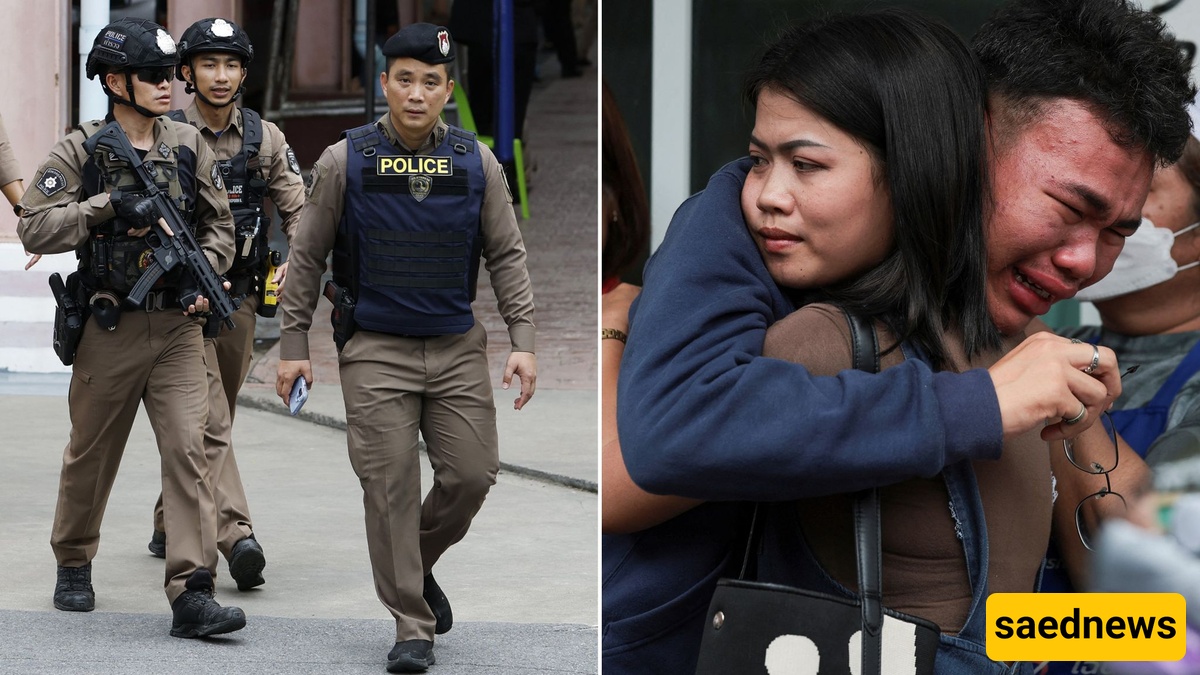
Police have not presented a single explanation for what happened. Instead, officials have pointed to several circumstances surrounding the teenager in the period before the shooting.
Among the factors being examined is his exposure to violent content on social media. Authorities also said he had been experiencing anxiety related to his studies, difficulties within his family and conflicts with friends.
Officials have described these issues as possible factors that may have contributed to his actions. That distinction is important: the police statements do not establish that any one of these circumstances alone caused the attack.
The role of social media has nevertheless attracted particular attention because police say the teenager used online material to teach himself about firearms. The case is therefore likely to fuel wider debate in Thailand about the accessibility of violent content and the challenges of preventing minors from acquiring knowledge about weapons through online platforms.
The firearm itself is another central part of the investigation. Authorities said the handgun used by the teenager belonged to his grandfather, raising questions about how a young person was able to gain access to it inside the family home.
The sequence described by officials makes the case especially disturbing. The teenager was reportedly a student at a reputable school, yet authorities say he first attacked members of his own family and then went to the educational institution, where teachers and students became targets.
The incident has left Thailand confronting more than the immediate loss of life. It has also brought attention to the combination of firearms, online material and personal pressures that investigators are examining in the teenager’s background.
For parents, schools and authorities, the case raises difficult questions about warning signs. How should concerns about a student’s emotional state be identified? How can families keep firearms away from children and teenagers? And what responsibility should online platforms bear when violent material is accessible to young users?
At the national level, the shooting has already produced a political response. Thailand’s leader has promised new gun laws as the country comes to terms with one of its deadliest shootings in recent years.
The pledge suggests that the tragedy could become a turning point in the country’s debate over firearms. Any new measures, however, would come against the backdrop of a case in which police are examining several interconnected factors rather than pointing to a single cause.
The social media element is particularly likely to attract attention because it illustrates how the internet can become part of the story even when the violence itself occurs offline. According to police, the teenager did not receive formal instruction in firearm handling; instead, he learned through content available on social media.
That detail has intensified concerns over the potential exposure of young people to material that authorities consider dangerous or violent. At the same time, the investigation is also considering school-related anxiety, family problems and disputes with friends, showing the complexity of the circumstances surrounding the teenager.
The deaths in Nonthaburi have therefore opened a much broader conversation. The immediate question is how the shooting happened, but the longer-term debate may focus on how families, schools, authorities and digital platforms can recognize risks before they become tragedies.
Thailand’s promised response on gun legislation will now be closely watched. Whether new rules can address the problem of firearm access, while broader efforts tackle the pressures and online influences affecting young people, remains an issue for public debate.
For a country still processing the shock of the shooting, the case is a painful reminder that preventing such violence involves more than one question and may require attention to several warning signs at once.