SAEDNEWS: Confronting death and the loss of loved ones is one of the deepest psychological challenges of human existence. However, medical research and recent clinical experiences show that in the final days of life, the human mind employs a remarkable mechanism to soothe itself and find peace.
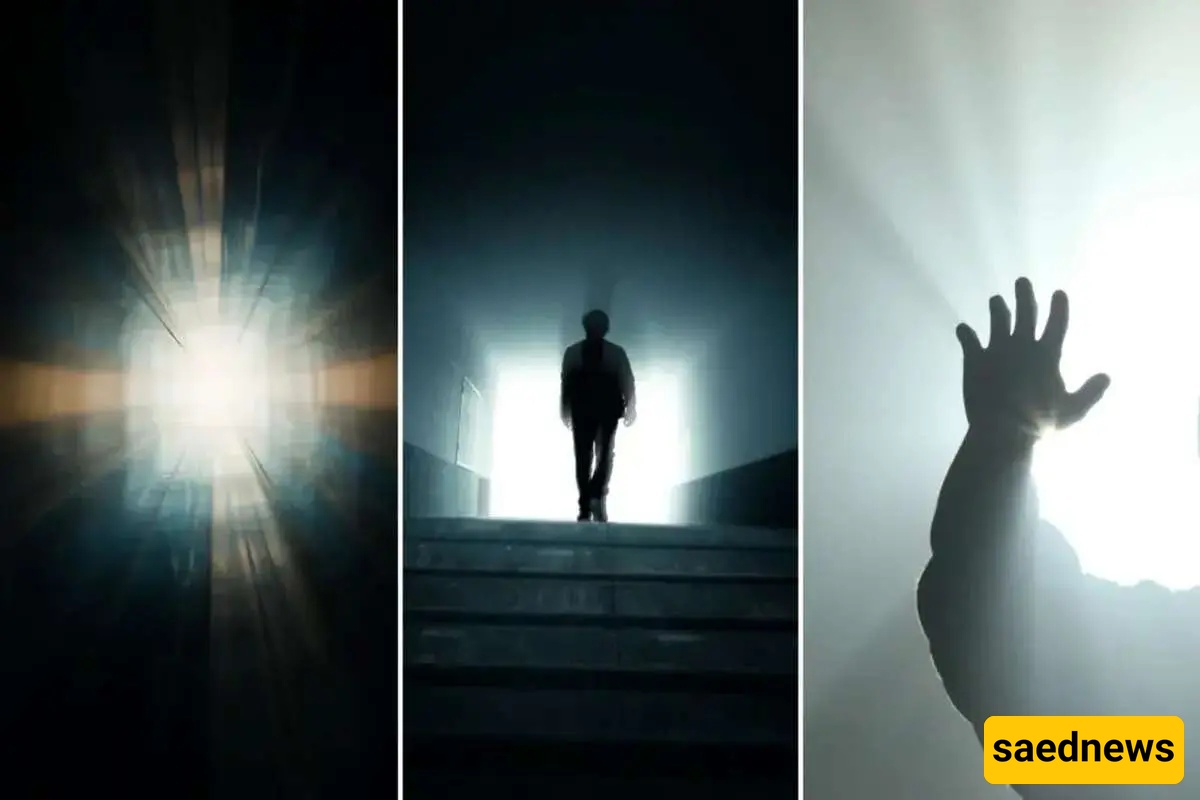
According to the scientific service of Saed News, a phenomenon known in medical terminology as “End-of-Life Dreams and Visions” (ELDVs) has become the focus of extensive research. Studies suggest that these experiences are not signs of dementia or medication side effects, but rather may serve as a form of psychological comfort for patients and their families.
Dr. Chris Kerr, Chief Medical Officer at the Hospice & Palliative Care center “Hospice Buffalo,” has been studying this phenomenon among his patients for nearly three decades.
According to Euronews, a study conducted by his team in 2014 and published in the journal Palliative Medicine found that these dreams are highly common, with 88% of patients nearing death reporting at least one such experience.
These experiences are described as fundamentally different from ordinary dreams or drug-induced hallucinations. Patients often insist that these visions feel extremely vivid and real, as if they are truly present in another time and place.
Many report returning to childhood settings, revisiting homes and familiar places where they once felt safe.
One notable case is that of “Shirley Bridsalsky,” an 83-year-old woman suffering from advanced cancer.
Her daughter, Debbie, noticed that in her final days, her mother appeared to converse with an unseen presence while asleep and awake, sometimes saying phrases like “I’ll bring the water, Grandma,” or even singing in an unfamiliar language (Lithuanian).
In her visions, Shirley returned to a farm in Pennsylvania from 75 years earlier, where she had spent her childhood with her grandmother. These mental journeys also brought forward long-buried memories and unresolved trauma.

Shirley later revealed to her daughter that she had been abandoned as an infant by her alcoholic mother and, at the age of 10, had witnessed the brutal murder of her grandmother in the farm kitchen—a crime that made headlines in the United States in January 1953, but which she had kept secret from her own children throughout her life.
What surprised physicians was that her end-of-life visions contained no trace of these traumatic memories.
Instead, she experienced warmth, love, the scent of flowers, and the comforting presence of her grandmother. Smiling, she told her daughter: “My grandmother loves me,” suggesting that the mind may filter out trauma at the end of life and preserve only feelings of peace.
Dr. Kerr, who himself witnessed a similar experience during his father’s death when he was 12 years old, has long sought to convince the medical community to recognize these dreams as a meaningful clinical and human process rather than dismissing them as pathological hallucinations.
Clinicians often focus on objective data and overlook the subjective dimensions of dying. However, the Hospice Buffalo research team has documented these experiences through recorded interviews with alert patients, supporting their clinical relevance.
Dr. Kerr explains: “We still do not have a definitive scientific explanation for the origin of these dreams, but their impact in reducing fear of death and facilitating emotional reconciliation is real and undeniable. This is a deeply human process of completing one’s life journey.”
These visions not only comfort patients but also ease the emotional burden on families.
Debbie, Shirley’s daughter, says that understanding these experiences helped her stop trying to “correct reality” or wake her mother, and instead allowed her to accompany her on this inner journey, deepening their emotional connection in the final weeks of life.