SAEDNEWS: Most people see stress as a psychological issue, but new research shows that anxiety and mental pressure can create real, measurable changes in the body within just a few minutes.
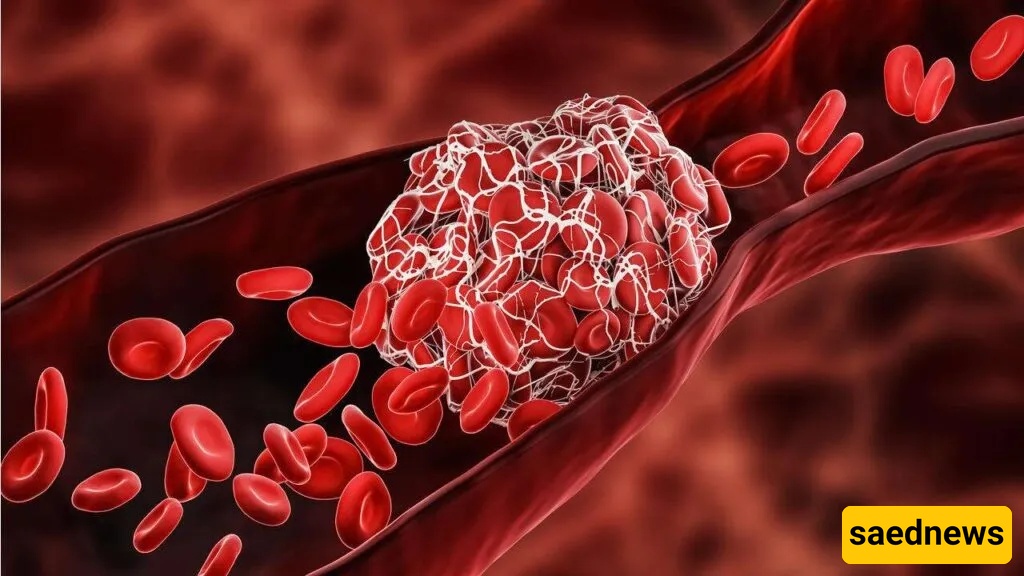
According to medical reports from the Saed News Agency, a recent study shows that acute stress can change the structure of blood, making it more prone to clotting. If such changes occur repeatedly, they may increase the risk of cardiovascular diseases.
Researchers found that during stressful situations, the body produces large amounts of free radicals. These highly reactive molecules increase oxidative stress, which in turn alters how blood clots form.
As a result, blood clots become denser and more resistant, which may raise the risk of cardiovascular problems.
In this study, eight healthy young men participated in a standardized psychological stress test. They were asked to give an unprepared speech in front of evaluators and then complete a difficult mental arithmetic task.
Blood samples taken before and after the test showed that just a few minutes of stress were enough to increase free radical levels and change the structure of blood clots.
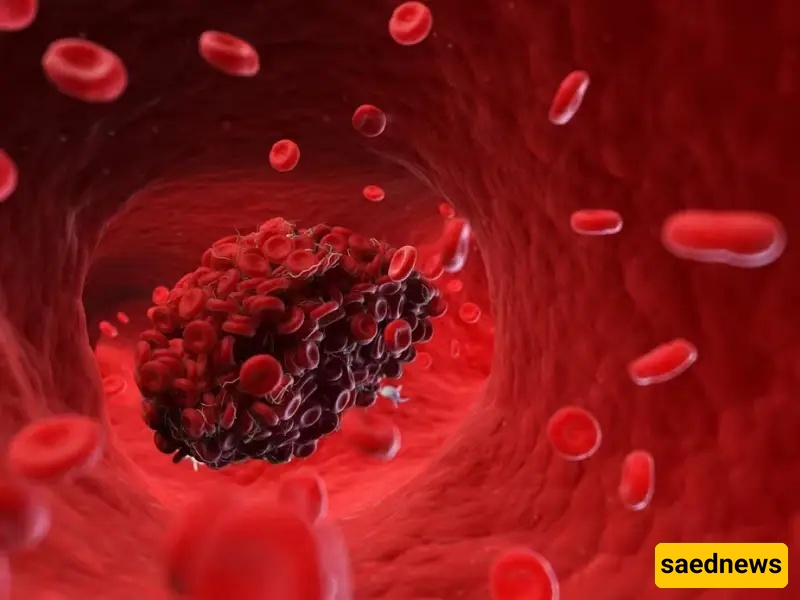
Previously, some experts believed that stress increases the risk of heart disease by thickening the blood. However, this study showed that stress does not necessarily change blood viscosity; instead, it alters the quality and structure of blood clots.
Researchers say this may explain why repeated stress over time is associated with a higher risk of heart attacks and strokes.
Researchers emphasize that the answer is no. A stressful workday or anxiety-inducing speech alone does not directly cause a heart attack or stroke.
However, chronic exposure to stress, combined with factors such as high blood pressure, diabetes, obesity, smoking, and high cholesterol, can increase cardiovascular risk.

Experts recommend the following to protect heart and vascular health:
Get enough high-quality sleep
Engage in regular physical activity
Practice deep breathing, meditation, or yoga
Maintain a healthy and balanced diet
Seek help from a psychologist or doctor if stress or anxiety persists
This study suggests that stress is not only a psychological experience but can also cause important biological changes in the body in a short time. Increased free radicals and changes in blood clot structure may help explain the link between stress and cardiovascular disease. However, further large-scale studies across different populations are needed to confirm these findings.