SAEDNEWS: Linderhof Palace is a stunning royal residence in southwestern Bavaria, Germany. Discover its fascinating history, elegant architecture, and beautiful surroundings.
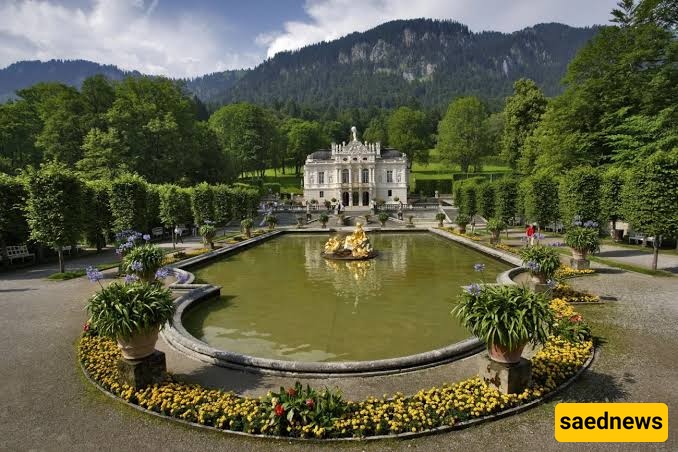
According to Sasednews, Linderhof Palace is surrounded by a beautiful garden designed by Carl von Effner. The garden combines the formal character of an English-style landscape with architectural elements inspired by the Baroque and Italian Renaissance traditions.
The palace features several remarkable rooms, including the Hall of Mirrors, Audience Chamber, bedroom, dining room, and the Eastern and Western Tapestry Chambers. Commissioned by King Ludwig II of Bavaria, Linderhof Palace was completed in 1886.
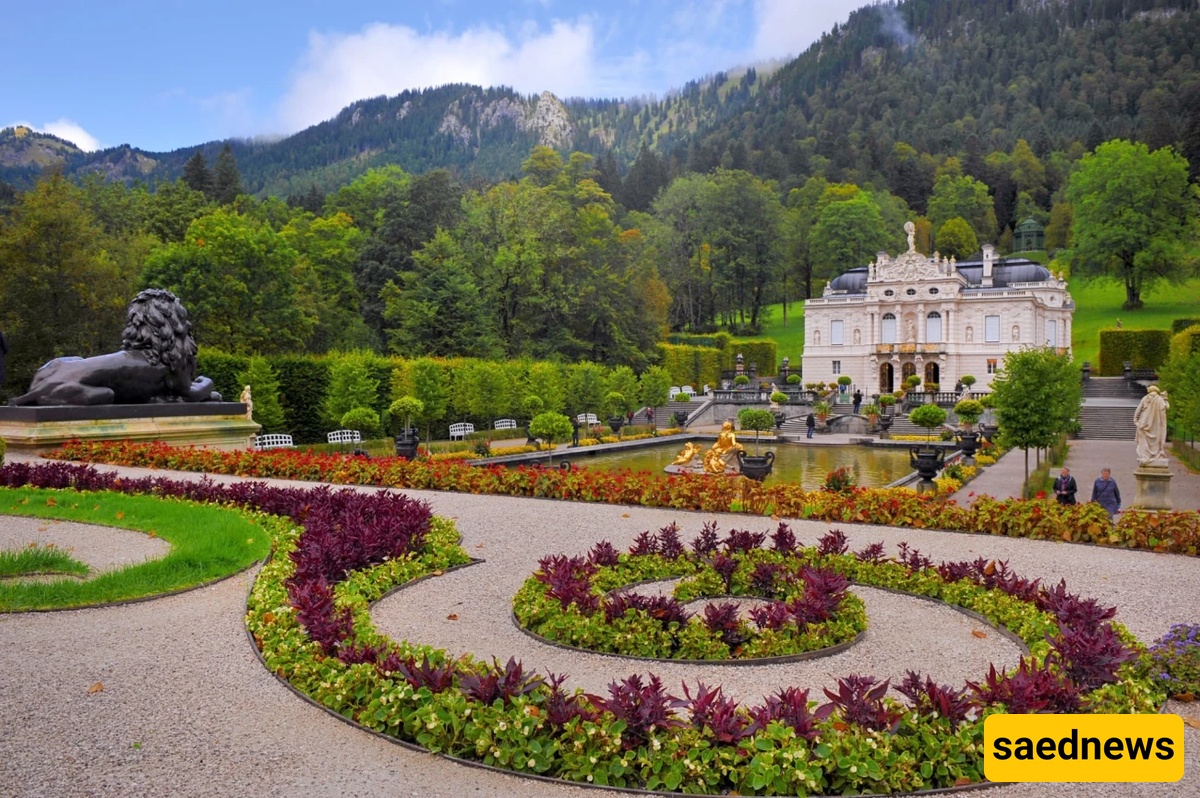
King Ludwig II was deeply influenced by Louis XIV, the famous French monarch known as the Sun King. Ludwig greatly admired him and regarded the French ruler as a personal hero.
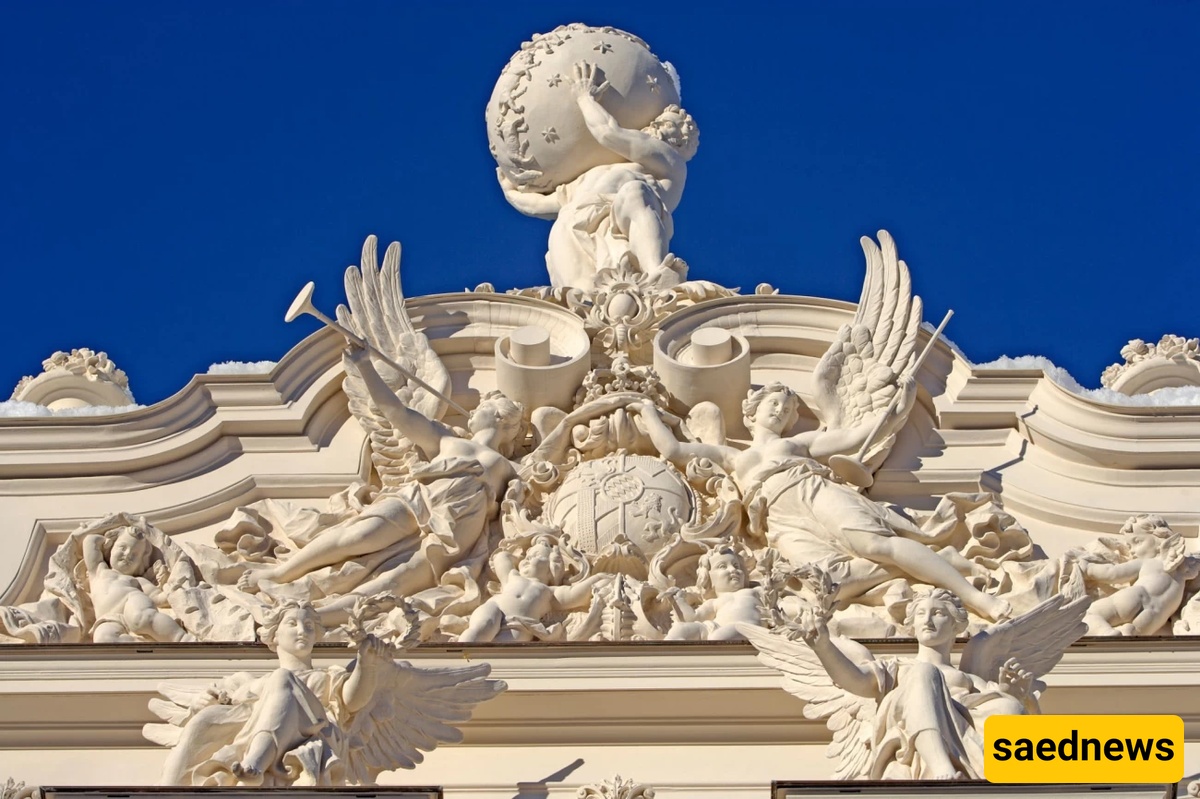
At first glance, visitors can see that many aspects of Linderhof Palace were inspired by French royal residences, particularly the Palace of Versailles. The palace incorporates the Rococo style, and although Linderhof is considerably smaller than Versailles in both size and scale, its interiors clearly reflect the influence of the famous French palace.
Inside Linderhof, visitors encounter the image of the sun throughout many of the rooms and halls. In the French royal tradition, the sun symbolized absolute monarchy, unlimited royal authority, and the power of the king—ideas that strongly appealed to Ludwig II.
The bedroom at Linderhof Palace is the largest room in the building, following the tradition established at Versailles. In the ceremonial life of an absolute monarch, the bedroom historically held considerable importance.
The interior reflects an elaborate Neo-Rococo style, with richly detailed decorations extending far beyond a simple imitation of French architecture. Ludwig II spent enormous sums creating these magnificent interiors, ultimately producing spaces that were even more elaborate than many of the works that had originally inspired him.
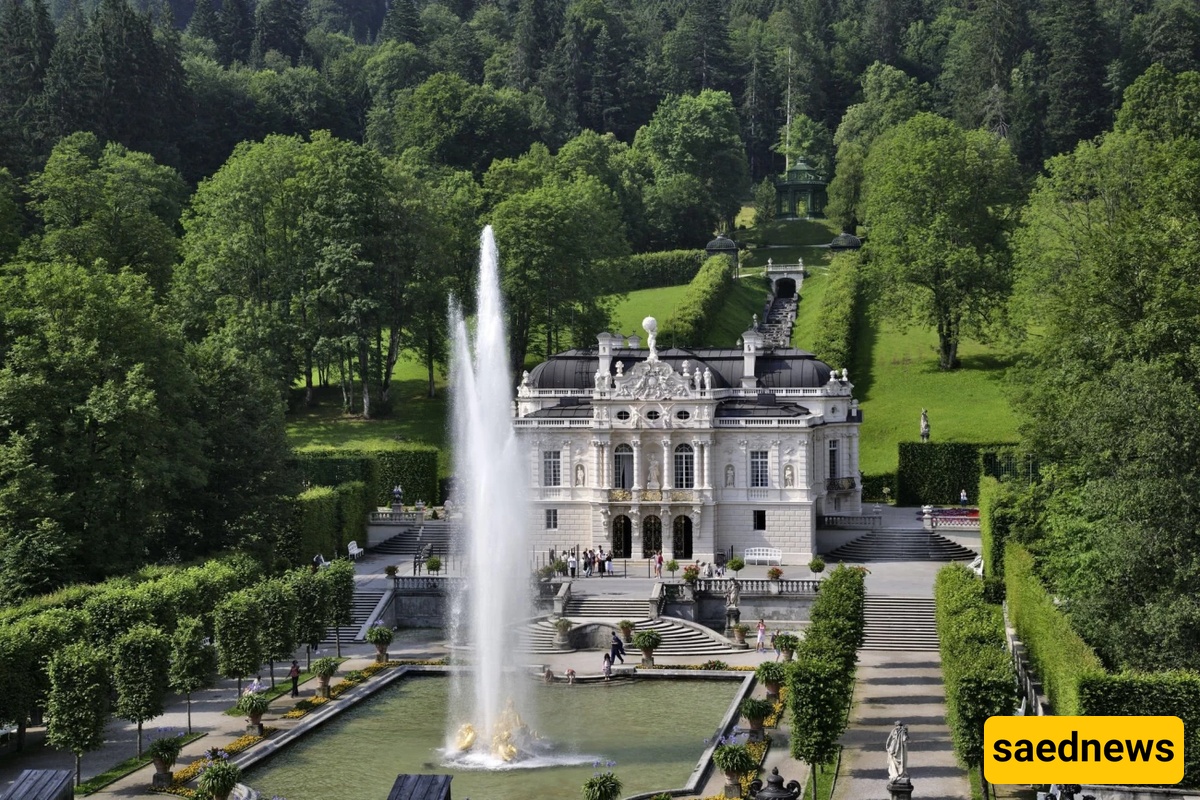
Unlike many larger royal residences, Linderhof was designed as a relatively private retreat. Only a small number of rooms were used regularly, giving the palace a more intimate character compared with other royal palaces.
Linderhof Palace is located in Bavaria, Germany, in the scenic Ammergau Alps. Its secluded setting and ornate architecture make it one of the most distinctive royal residences associated with King Ludwig II.
One of the palace's most remarkable rooms is the Hall of Mirrors. King Ludwig II used it as a living room and sometimes spent entire nights there reading.
The extensive use of mirrors had both decorative and practical purposes. At night, the mirrors reflected the light of candles throughout the room, making it easier for the king to read and creating a striking visual effect.
Another important room is the Audience Chamber. Despite its name, it was never actually used for formal consultations or meetings. The room was not large enough for such purposes, and Ludwig II had little interest in conducting political discussions there. Instead, he reportedly used the room primarily to think about and develop ideas for future building projects.
Another room in the palace contains an unusual musical instrument that combines a piano with an organ. This room is known as the Music Room.
The palace also contains the Eastern and Western Tapestry Chambers. Their curtains and furniture coverings were produced in the Gobelins tradition, while the wall scenes were painted on heavy fabric to imitate genuine tapestries. The works were inspired by French decorative art.
The dining areas feature elegant blue and pink decorations and contain the famous dining table associated with King Ludwig II.
Servants were reportedly required to set the table for at least four people, even when the king was dining alone. According to accounts of his habits, Ludwig II sometimes imagined himself dining with historical figures such as Louis XV, Marie Antoinette, and Madame de Pompadour, and would converse with these imaginary guests during his meals.
Portraits of these figures and scenes from their lives can also be found among the palace's decorations, further reflecting Ludwig II's fascination with the French monarchy and its extravagant court culture.