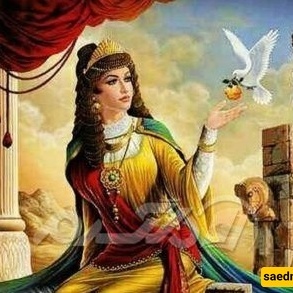
SAEDNEWS: Atossa was one of the queens of ancient Iran. She was the daughter of Cyrus the Great, the adoptive sister of Cambyses II, the wife of two Achaemenid kings—Cambyses II and Darius I—and the mother of Xerxes I.
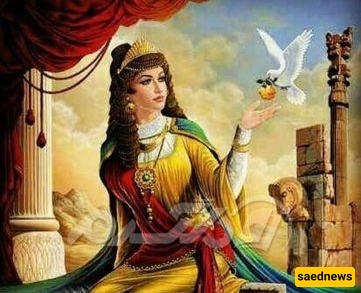
According to Saednews, Atossa was the daughter of Cyrus the Great, the wife of the Achaemenid king Darius I, and the mother of Xerxes I. She is regarded as one of the most prominent women in the history of ancient Iran. Atossa, also known by the Old Persian name Utauθa (c. 550–475 BCE), was one of the queens of ancient Persia.
Full name: Utauθa
Born: c. 550 BCE
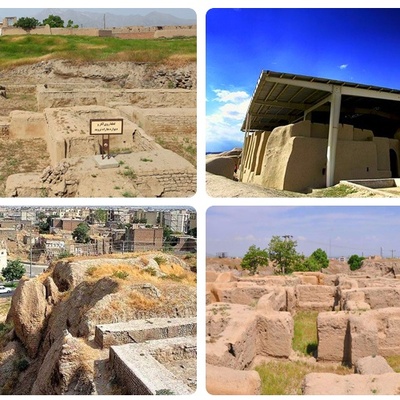
Birthplace: Pasargadae
Died: c. 475 BCE
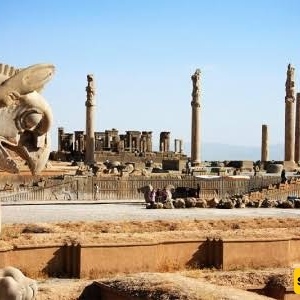
Place of death: Persepolis
Dynasty: Achaemenid
Father: Cyrus the Great
Mother: Cassandane
Children: Xerxes I, Hystaspes, Masistes, Achaemenes
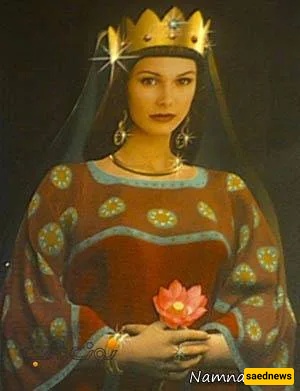
Atossa (Old Persian: Utauθa; Avestan: Hutaosā; Middle Persian: Hudōs; Arabic: Khatūs; Parthian: xwdws; Elamite: ú-du-sa; c. 550–475 BCE) was the daughter of Cyrus the Great, the queen of the Achaemenid king Darius I, and the mother of Xerxes I. According to Greek historians, she was the most influential of Darius's wives.
Atossa's character appears to have been different from that traditionally attributed to other Persian women. According to Greek historians, although she possessed traditionally feminine qualities, she was also portrayed as having characteristics associated with political power, intelligence, ambition, and authority. Although her son Xerxes was not Darius I's eldest son, Atossa's influence, political intelligence, and descent from Cyrus the Great helped secure his succession to the throne.
Herodotus's account of Atossa may contain legendary elements, but it nevertheless reflects the reputation of her influence in Persian traditions. Although historical sources do not provide definitive information about her religious beliefs, her name has been associated with the Zoroastrian name Hutaosā, suggesting a possible connection with Zoroastrian traditions. Herodotus also connects Atossa, through a dramatic narrative, with Democedes, the Greek physician of Darius, and with the Persian campaigns against Greece.
After Anahita, Atossa was reportedly the second woman to receive the title "Lady," a title with religious significance. She was said to be literate and to have played a role in education and court affairs.
Following the death of Cambyses II during his return from Egypt, Darius I married Atossa. The marriage had several important political implications. By marrying Atossa, a member of the Achaemenid royal family and daughter of Cyrus the Great, Darius strengthened the legitimacy of his rule. Atossa's intelligence, education, political awareness, and influence also made her an important figure at the royal court.
Atossa possessed considerable influence, and during the conflicts with Greece, Darius was said to have benefited from her advice. She was even portrayed as being willing to accompany her husband on military campaigns.
Atossa had four sons with Darius: Xerxes, Hystaspes, Masistes, and Achaemenes, with Xerxes being the eldest. However, Atossa was not Darius's first wife. Darius had sons from his earlier marriage who were older than Xerxes.
According to the traditional rules of royal succession, the king's eldest son would normally inherit the throne. Atossa's influence, however, was portrayed as instrumental in securing Xerxes's succession. During Xerxes's reign, Atossa held the influential position of Queen Mother and is depicted as participating in affairs of state.
The Greek playwright Aeschylus portrayed Atossa prominently in his tragedy The Persians, where she is presented as a powerful royal woman. Apart from Xerxes himself, she is one of the most important figures in the play.
Little is known with certainty about the final years of Atossa's life. She was apparently still alive when Xerxes returned from his campaign against Greece. Her tomb may have been located near the tomb of Darius the Great at Naqsh-e Rostam.
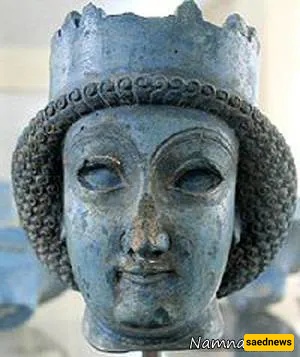
Atossa was reportedly married to her half-brother Cambyses II. After Cambyses's death, she became associated with the royal household of Gaumata, the ruler traditionally described in Persian sources as the "False Smerdis." Darius eventually took control of the royal household and married Atossa, making her his principal wife and queen of the Achaemenid Empire.
By marrying into Cyrus's family, Darius strengthened his dynastic legitimacy. According to Herodotus, Atossa encouraged Darius to wage war against Greece because she wanted the Persian Empire to expand its control over Greek territories. Herodotus also describes her requesting Greek servants from regions including Laconia, Argos, Attica, and Corinth.
Some modern historians have questioned Herodotus's account, suggesting that his portrayal may have reflected Greek stereotypes about powerful Persian women as scheming or politically influential. Darius's invasion of Greece can also be understood in the broader context of Persian retaliation for Athens's involvement in the revolt and the destruction of Sardis.
According to Herodotus, Democedes, a Greek physician who became Darius's personal doctor after treating the king, was permitted to ask for almost anything except permission to return to Greece. Later, Atossa developed a malignant growth in her breast. She confided in Democedes, who treated her successfully. In return, he secretly asked her to persuade Darius to allow him to return to his homeland.
After her recovery, Democedes encouraged Atossa to persuade Darius to launch a campaign against Greece. Atossa reportedly argued that conquering Greece would increase Darius's prestige among the Persians while also keeping the king occupied with an ambitious military undertaking.
Darius initially stated that he intended to campaign against the Scythians. Atossa argued that conquering the Scythians could be accomplished later and emphasized the opportunities presented by Greece, particularly because Democedes could provide useful information about the region.
Darius eventually agreed to send Democedes and Persian scouts to gather intelligence along the Greek coast. The Persians surveyed the coastline and Greek naval forces. Although the expedition achieved its reconnaissance objectives, Democedes managed to escape and return to Greece.
Some historians have questioned the historical accuracy of Herodotus's entire story, while accepting parts of it as evidence of how contemporary Greeks viewed the Persian court, the authority of Persian queens, and the origins of the conflicts between Persia and Greece.
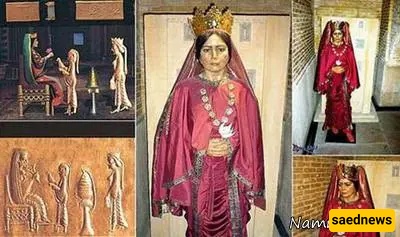
Atossa had four sons by Darius:
Xerxes I
Hystaspes
Masistes
Achaemenes
Xerxes was the eldest of Atossa's sons. Hystaspes later held an important military position in the eastern regions of the empire; Masistes was one of Xerxes's commanders; and Achaemenes became associated with the Persian fleet in Egypt.
Because of her royal ancestry and political influence, Atossa had considerable authority within the Achaemenid court. In 487 BCE, during a dispute concerning the succession, she is traditionally said to have supported Xerxes.
Xerxes was Darius's eldest son born during Darius's reign, but he was not Darius's first child. Darius had several sons from an earlier marriage, including Artobazanes. A dispute therefore arose concerning who should succeed Darius.
Herodotus states that Xerxes ultimately became king and emphasizes Atossa's enormous influence, famously portraying political power as being strongly concentrated in her hands. Other interpretations, however, consider Xerxes's succession primarily a decision made by Darius himself.
Evidence from Achaemenid inscriptions also suggests that Xerxes had been formally designated as Darius's successor before Darius's death. In inscriptions associated with the Tachara at Persepolis, Xerxes is presented as the designated heir of Darius.
During her son's reign, Atossa occupied the prestigious position of Queen Mother and remained an important figure at the royal court.
The religious beliefs of Atossa are not known with certainty. Some scholars have noted that several Achaemenid royal names, including Hystaspes and Atossa, have possible connections with Old Iranian religious traditions.
The name Atossa has been associated with the Avestan form Hutaosā, which has led some researchers to suggest that she may have followed or been familiar with Zoroastrian traditions. However, direct evidence establishing Atossa's personal religious beliefs remains limited.
Aeschylus's tragedy The Persians indicates that Atossa was still alive when Xerxes invaded Greece. However, the precise date and circumstances of her death remain uncertain.
The Roman historian Justin claims that Xerxes eventually had Atossa killed in anger, but this account is not universally accepted and conflicts with the uncertainty surrounding the later years of her life.
Some traditions associate Atossa's burial with the royal tomb complex of Darius at Naqsh-e Rostam. Her exact burial place, however, has not been established with certainty.
Another theory connects the structure now known as the Ka'ba-ye Zartosht with members of the Achaemenid royal family, although its original purpose and date remain subjects of scholarly debate.
Atossa remains one of the most prominent women associated with the Achaemenid Empire. As the daughter of Cyrus the Great, wife of Darius I, and mother of Xerxes I, she occupied a unique position at the center of Persian royal power during one of the most important periods of ancient Iranian history.