SAEDNEWS: Watch Persepolis come to life—from massive stone transport to carving legendary winged bulls. Achaemenid engineering, art, and architecture revealed.
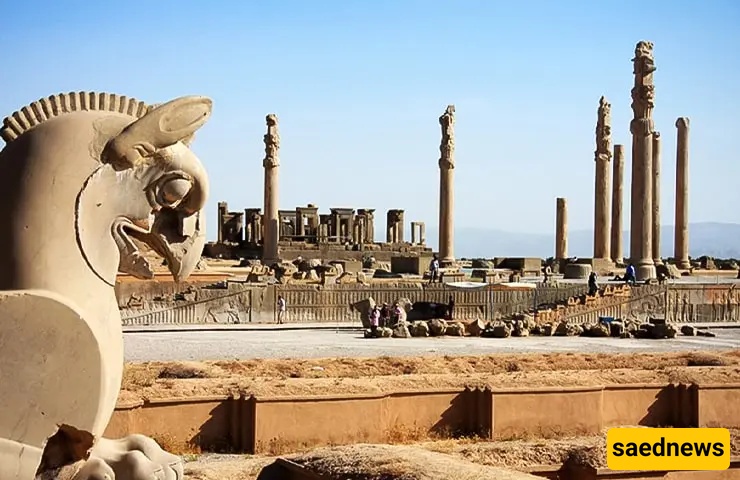
According to the History Service of Saed News, Persepolis—the architectural masterpiece of ancient Iran and the beating heart of the Achaemenid Empire—has stood as a symbol of Iranian grandeur and civilization for more than 2,500 years. This captivating video takes you on a journey through time, revealing the astonishing stages of this monumental construction.
The construction of Parsa (Persepolis) began around 518 BCE under the orders of Darius the Great and continued under his successors, Xerxes and Artaxerxes I. The complex was built on an immense stone platform, a feat of engineering in itself. In this remarkable reconstruction, viewers witness the quarrying and transport of massive stone slabs from local mines, the movement of Lebanon cedar trunks for ceilings and scaffolding, and the intricate carving of detailed bas-reliefs.
The video vividly demonstrates how skilled architects and laborers from across the empire—not slaves, but paid workers—used the era’s advanced tools and techniques, such as pulleys, wheels, and metal clamps, to lift multi-ton stones and place the majestic columns in their positions. Persepolis was far more than a palace; it was a ceremonial site for grand celebrations, especially Nowruz, and a display of power, peace, and unity among the nations under Persian rule. Watching this reconstruction offers a deeper understanding of the engineering genius and artistic brilliance of the Achaemenid era.