SAEDNEWS: Iran’s naval presence now reaches at least 500 kilometers beyond the Persian Gulf and the Strait of Hormuz, requiring enemy warships to maintain their distance from the region, according to an IRGC commander.
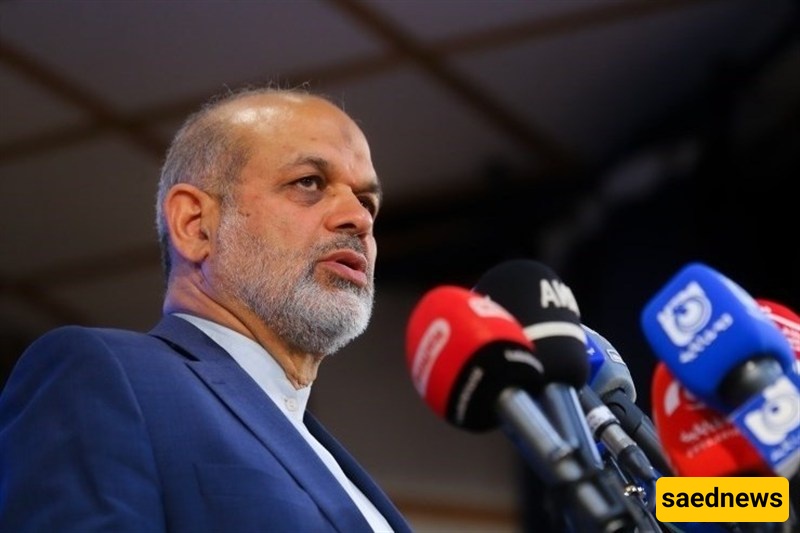
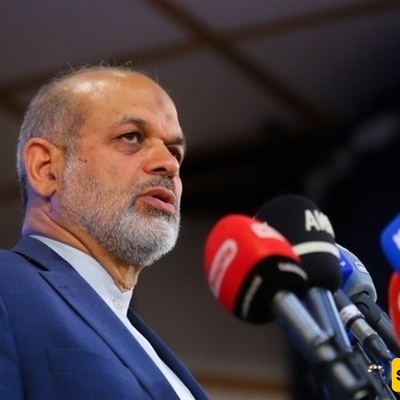
According to Saednews, Major General Ahmad Vahidi has stated that Iran's naval forces have established control not only over the Persian Gulf and the Strait of Hormuz but also across open waters hundreds of kilometers beyond the region.
Speaking at a gathering of university students on Friday, Vahidi questioned why enemy warships were unwilling to approach within 500 to 600 kilometers of Iran, attributing this distance to the operational capabilities of the country's naval forces and the strength of IRGC commanders and personnel.
He recalled that the Persian Gulf once hosted up to 120 Western military vessels at certain periods, with approximately 70 to 80 ships normally deployed in the region. However, he noted that these vessels have been absent for months, both inside and beyond the Strait of Hormuz.
Vahidi asserted that Iran's adversaries must recognize that their only remaining option is to acknowledge defeat and withdraw from the region.
The IRGC commander further emphasized that retaliation for US-Israeli actions against Iran is an undeniable right, warning that those responsible for the killings and atrocities would no longer find the world a safe place.
"They will have no peaceful sleep and must tremble over the crimes they have committed," he declared.
Vahidi also stressed that Iran would continue pursuing those responsible until justice and revenge were achieved for the blood of the martyred Leader of the Islamic Revolution, Ayatollah Seyed Ali Khamenei, the victims of the Minab tragedy, and all other martyrs.
He further highlighted the high level of combat readiness maintained by Iran's Armed Forces, noting that personnel of the IRGC Aerospace Force are continuously developing and unveiling new military capabilities.
According to Vahidi, the force's present capabilities significantly exceed those demonstrated during the first war of aggression, while its technological advancements, operational capacity and military innovations have also progressed considerably.